


Published : 14 May 2015, 10:08 AM
Updated : 19 Oct 2022, 06:45 PM


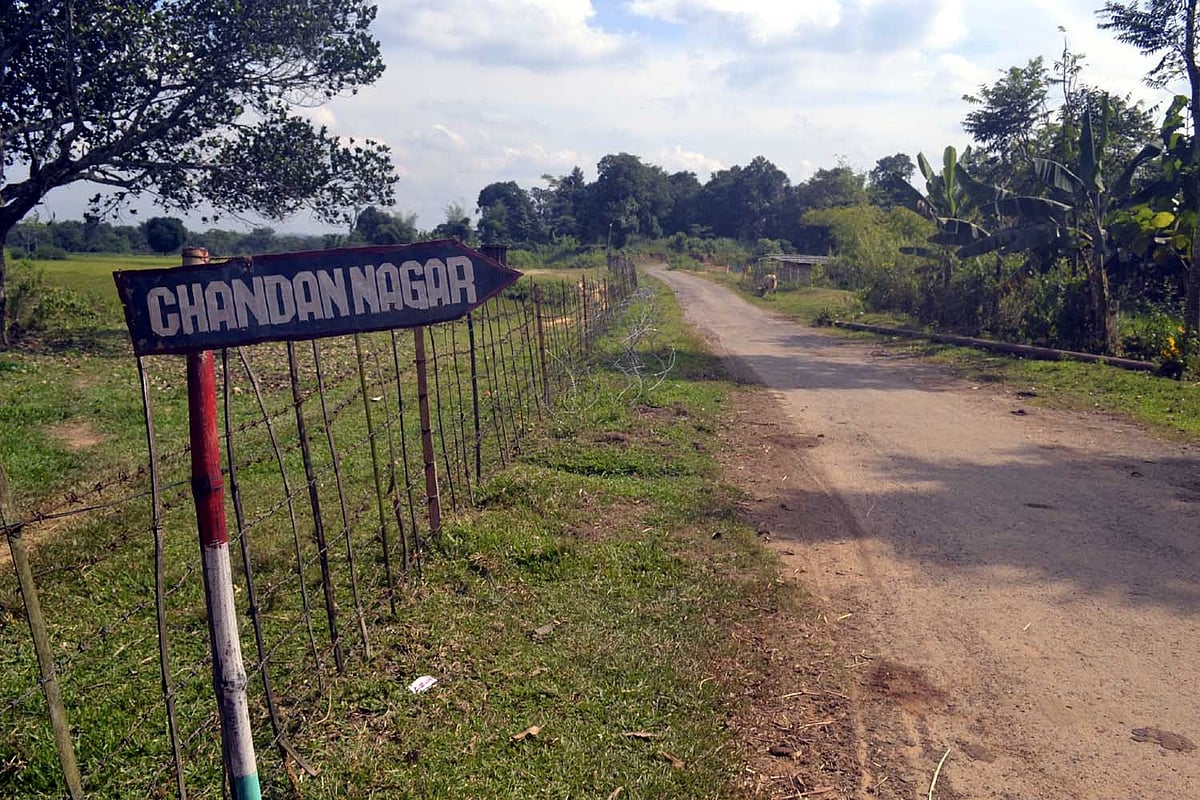
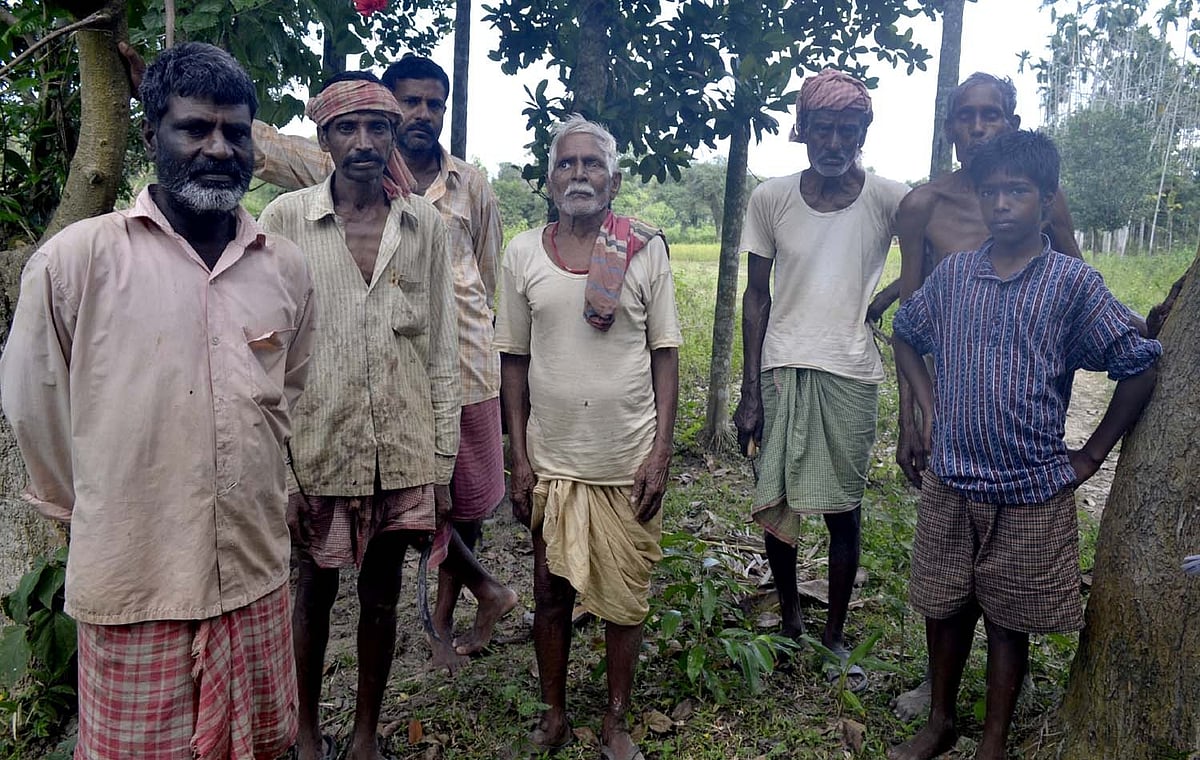
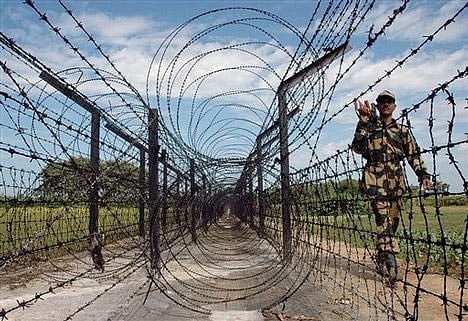
The villagers were apprehensive that Chandannagar, spread over 139.07 acres, being considered Adversely Possessed Land (APL), would be handed over to Bangladesh as per Indira-Mujib agreement.
But as they got the news that their village will be an integral part of India they are overwhelmed.
They thank the Indian government for passing the LBA which has saved them for becoming refugees for the second time and also saved their ancestral land.
“We had once suffered a lot but now the government of India has liberated us and given us independence. So we are happy and rejoicing. We thank the prime minister,” said 86-year-old Chandra Kumar Ganju who has witnessed the various phases through which Chandannagar has passed.
During the final years of British Rule just before the independence, as part of the Radcliffe Award, Chandannagar was shown as part of Sylhet district (Erstwhile East Pakistan) in a map released on Aug 14, 1947.
The individual land deed records confirm that the APL was under the physical control of kingdom of Tripura for several hundreds of years.
The rulers of Tripura exercised their sovereignty over the land and accordingly collected revenues from the ‘Zamindars’ and ‘Jotedars’.
As the area was in the frontier belt, the ruling elite of erstwhile East Pakistan never really bothered about it till around 1970 when a Military Land Survey team noticed it.
The issue was raised with Indian authorities along with a number of other long pending border issues between two neighbours.
After creation of Bangladesh, two countries agreed to carry out land demarcation as per Indira-Mujib agreement in 1974. Accordingly, the Directors of Land Survey of both countries delineated the international border of the area on the map on the basis of old map of August 1947 stoking the controversy.
After 1971, when the two countries sought to clear up various border tangles, Bangladesh maintained that Morichharha stream that passes by would constitute the international border, and this was acknowledged in the Indira-Mujib agreement.
However, there was no move to implement the new understanding. A technical point also stood in the way, as it had been agreed that the agreement would have to be ratified by the parliaments of both countries. And it seemed that Chandannagar village would be handed over to Bangladesh.
With the transfer of the village, the fate of around 400 villagers has been irrevocably sealed.
They would again become refugees.
But now with the passing of the India-Bangladesh LBA by Indian Parliament, the Chandannagar village shall be an integral part of Indian territory.
“Since we have got independence and permission to use this land so we want to cultivate and harvest crops, make houses and live safely there," said a local villager Sabitri Parshi.
Local farmer Mohanlal Parshi said the Bangladeshis would often take away their crop as they haggled with BSF over cultivating their land.
"Now our land got recognition as Indian territory and we are very happy. Our government has given back our land and hence our trouble will now come to an end.”













