


Published : 08 Nov 2015, 01:37 AM
Updated : 19 Oct 2022, 07:02 PM


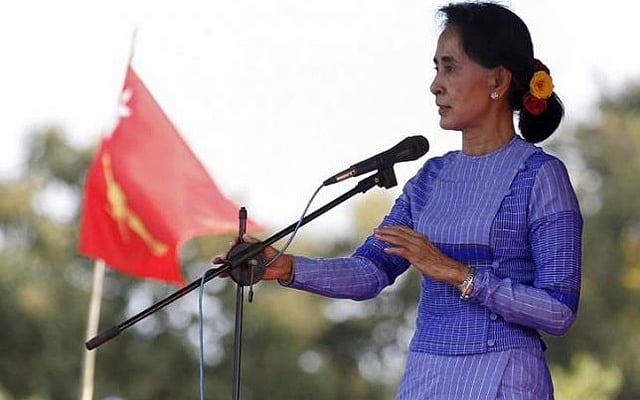
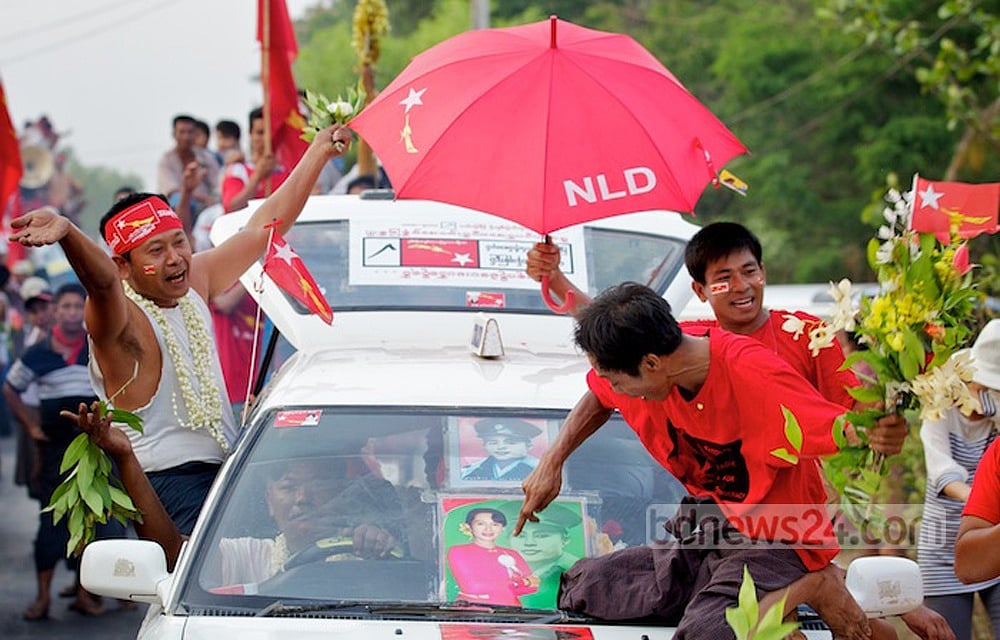
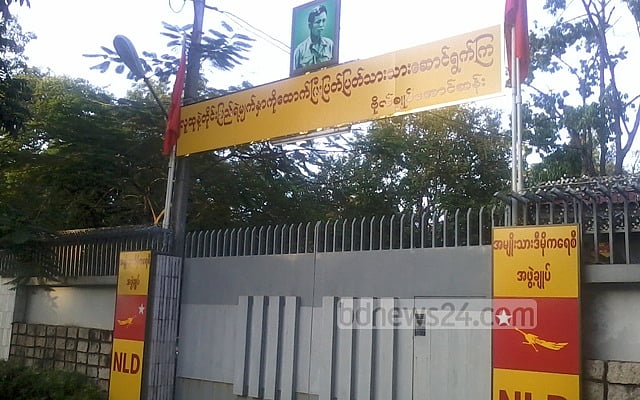
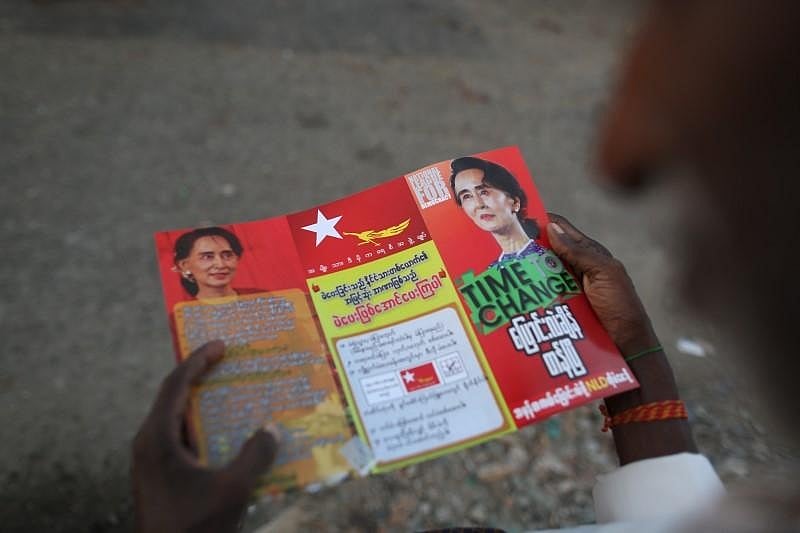
The opportunity has returned after 25 years as Myanmar prepares for polls on Sunday. Anxiety runs high as the people wonder – will she or won’t she be able to lead the conflict-scarred country to a new dawn?
The answer lies in how Myanmar votes from 6am to 4pm.
Many in Myanmar believe Suu Kyi, as chairperson of the National League for Democracy (NLD) will have a tough time balancing the power equation in a country yearning for change.
But there are numerous hurdles. Myanmar’s generals have, in over five decades of military rule, tweaked the constitution to hamper other political parties coming to power.
Myanmar amended its constitution in 2008. The new clauses include the army’s say in appointing the President and in power-sharing. They also guarantee the reservation of 25 per cent seats in the Parliament for unelected military representatives.
Such regulations, NLD leaders say, are undemocratic. But the party’s election manifesto has incorporated the 25 percent reservation.
The constitution bestows the highest power to the president, who has to consult the army. He has the power to veto any law passed by the Parliament. As such, constitutional reforms cannot be kicked in without the consent of the generals.
With a three-quarters majority vote needed to make constitutional changes, all civilian lawmakers together cannot amend the constitution without the support of the army.
Clause 59(F) of the Constitution further states that any person married to a foreigner cannot become the president, nor can a person whose children are citizens of another country. Suu Kyi, married to a foreigner, falls in this category.
The NLD had demanded the scrapping of these amendments, and had boycotted the 2010 elections in protest. But in the 2012 by-election, it won 43 of the 45 seats to sit in the opposition.
Political analysts close to the NLD say the onus of deciding her future is on Suu Kyi herself. But she is more focussed on her party’s winning the election.
An NLD spokesperson told bdnews24.com: “What role she plays will depend on the outcome of the election. Let the people decide first.”
But even if NLD gets majority, there is little scope of transfer of power.
Parliament with the newly-elected members would be formed only after the current one completes five years on Jan 30 next year.
Suu Kyi will thus have time to work out a formula.
An interaction with voters of Yangon, Nyapyidaw and downtown areas revealed Suu Kyi is the most preferred as Myanmar’s new leader.
Many believe – despite the constitutional hurdles – it will be difficult to stop Suu Kyi from becoming the president if NLD repeats its 1990 performance. They also feel a majority of army officers might side with her.
But that depends on how the people cast their votes on Sunday.







