


Published : 05 Dec 2015, 02:57 PM
Updated : 19 Oct 2022, 07:05 PM


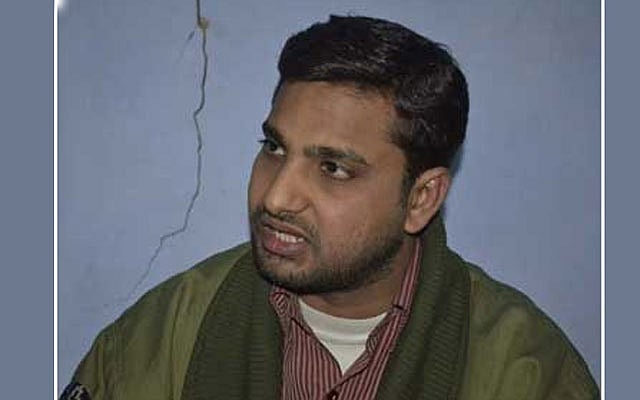
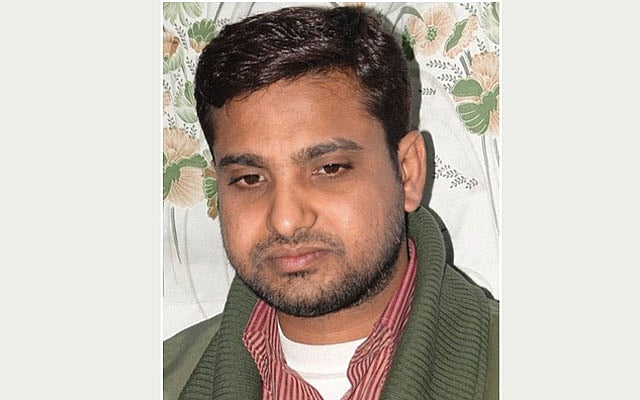
“Amir was released after 14 years of false incarceration in jail. The wrongful arrest destroyed his youth," the notice issued by the NHRC on Friday said.
Amir was arrested on Feb 27, 1998 from Old Delhi as an alleged 'terrorist' when he was just 18.
While issuing the notice, Justice D Murugesan, NHRC member, observed that “the sufferings faced by him have been long and arduous and the damage caused to him by the conduct of the State authorities is immense and exemplary".
"In the circumstances, the State must compensate the damage caused by its employees to the victim."
Justice Murugesan further observed that the life ahead for Amir was long and uncertain.
"He has lost his parents, his career, his hopes, his dreams and everything but the hard fact is that he has to overcome the same and return to the mainstream of life and prove his worth as an ideal citizen of the country.”
Amir was arrested on charges of sheltering terrorists from Bangladesh and Pakistan.
He was named as the prime suspect in 20 low-intensity bomb explosions executed over 10 months — between December 1996 and October 1997 — in Delhi, Rohtak, Sonepat and Ghaziabad.
The explosions led to five deaths. During the time of arrest, police claimed that Amir's house was used as a hideout by two Bangladeshi terrorists in February 1998.
Later, Amir was acquitted in all 17 cases including one by the Delhi High Court.
The NHRC has given six weeks to the Chief Secretary in Delhi to respond.
The Commission has taken suo moto cognisance of the issue on the basis of media reports.
“Our Constitution accords the responsibility to the State to protect and promote human rights of individuals. Police, as the protector of law, have both legal and moral obligations to uphold human rights and act strictly in accordance with the law,” Justice Murugesan said.
Mohammed Amir was acquitted in all 17 cases, including one by the Delhi High Court. File Photo
Talking to bdnews24.com, Member of Parliament from Srinagar constituency in the Indian state of Jammu and Kashmir, Tariq Hameed Karra said policing needs to be more sensitive.
“It is not only the case of dealing with the minority community, but even while dealing with all other communities the security forces must be sensitive,” said Karra who represents Jammu and Kashmir Peoples Democratic Party (J&KPDP).
Many Muslims have been picked up by the security agencies and detained on mere suspicion in different parts across India.
“These steps taken by the police and all other security agencies against the people of a minority community actually generate anti-national activities. The security agencies must handle all such issues with extra precaution,” said social activist Hafiz Noor.







