Published :
16 Jul 2013, 01:32 PM
Updated :
09 Aug 2022, 10:55 AM
A Bangladesh public health expert has found a place in the World Health Organisation’s 15-member committee of international experts to review the Middle East coronavirus (MERS) attack, which has killed 45 people so far.
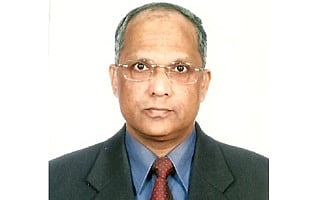
Prof Mahmudur Rahman, Director of the government’s disease-monitoring arm, Institute of Epidemiology, Disease Control and Research and National Influenza Centre told bdnews24.com that he took it as ‘an achievement’ for him and for the country.
WHO says there is currently no emergency or pandemic caused by the Middle East Respiratory Syndrome (MERS) coronavirus but the experts would advise its Director General on how to tackle the disease in the event of a sudden surge.

It says the Director General formed the committee for ‘an independent expert view’ of the situation and to be ready for further action, if needed.
The committee comprises international experts from allied disciplines.
Although India is a strong member from South East Asia, a Bangladeshi expert along with an Indonesian have been chosen from the region, a step analysts attribute to the country’s contribution to global public health.
WHO regards Bangladesh as an International Health Regulations (IHR) compliant country for its consistency in notifying any outbreaks or new infections within 24 hours.
Bangladesh is also known for its open sharing of information for the sake of global public health, particularly during influenza pandemic.
With his 29-year experience in public health, Prof Rahman is also on WHO’s IHR panel of experts and had earlier been a member of its first international emergency committee, formed in 2009, following the H1N1 pandemic.
It was the second emergency committee set up under WHO rules that came into force in 2007, years after the 2002 SARS outbreak.
Since September last year, WHO has been informed of a total of 82 laboratory-confirmed cases of infection globally with MERS coronavirus, including 45 deaths.
Most of the cases have been reported from Saudi Arabia where Muslims across the world converge every year to perform hajj.
The committee held its first meeting on July 9 and announced the members’ names on the WHO website.
They will meet again, in a teleconference, on Wednesday.
Reacting to his selection, Prof Rahman said he was happy to be able to “work for humanity”.
Prompted by the current disease profile, WHO encourages member states to keep up their surveillance of severe acute respiratory infections (SARI) and carefully review any unusual patterns.
Health care providers are advised to maintain vigilance.
WHO says recent travelers returning from the Middle East who develop SARI should be tested for MERS coronavius as advised in the current surveillance recommendations.
It says specimens from patients’ lower respiratory tracts should be obtained for diagnosis wherever possible.
Clinicians have been reminded that MERS coronavirus infection should be considered even with atypical signs and symptoms, such as diarrhea, in patients who are immune-compromised.
WHO does not advise special screening at points of entry for coronavius. So far no travel or trade restrictions have been recommended.