


Published : 13 Jun 2014, 11:54 PM
Updated : 19 Oct 2022, 07:31 PM


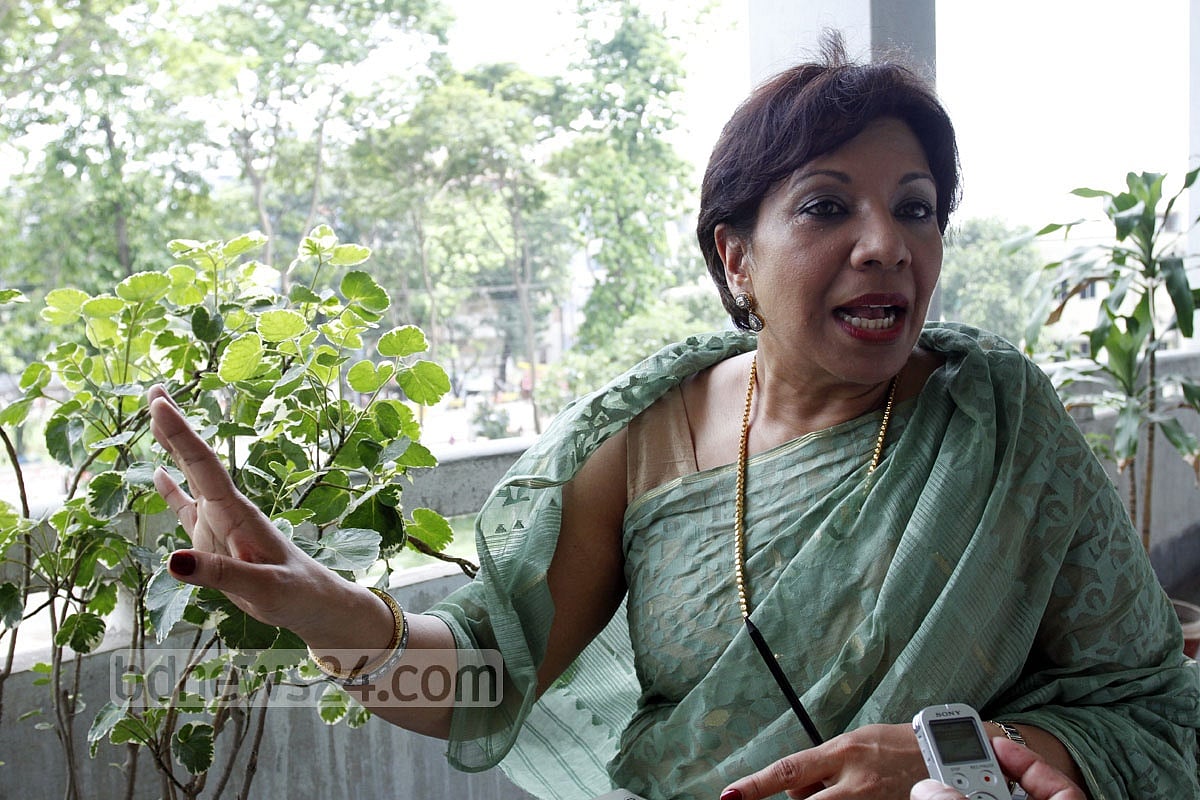
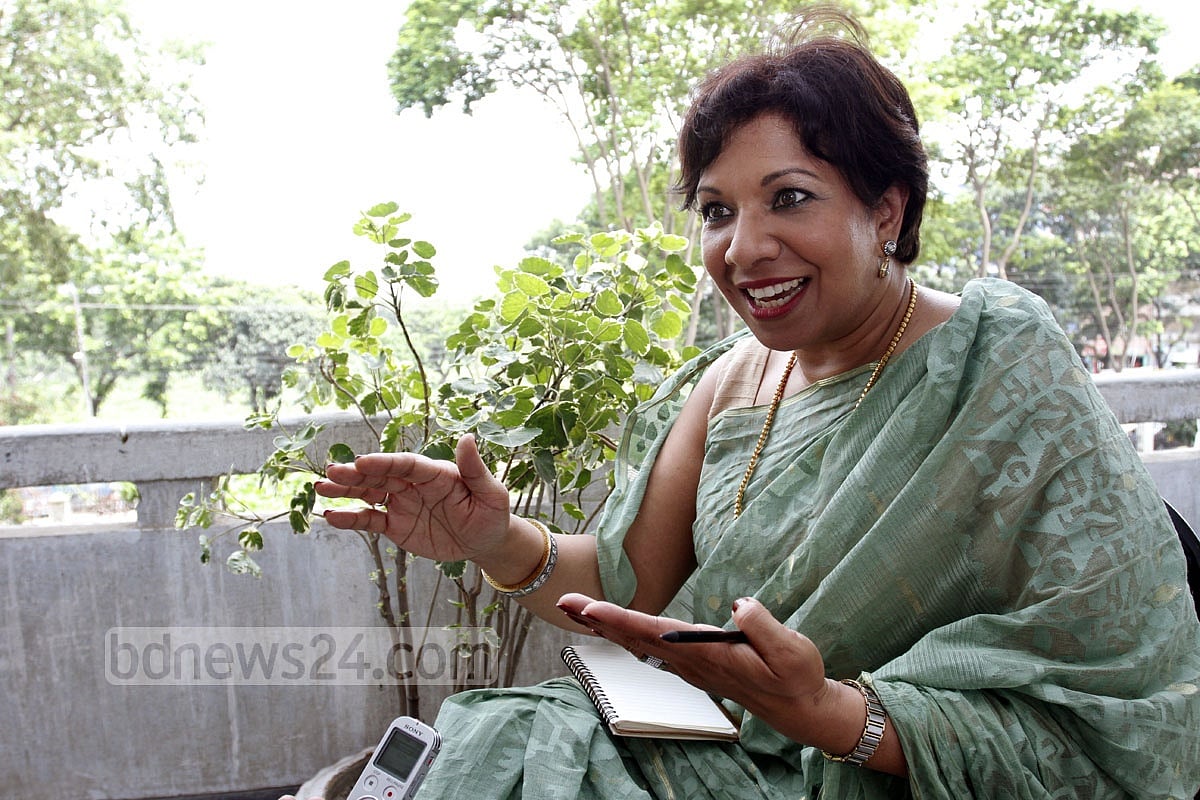
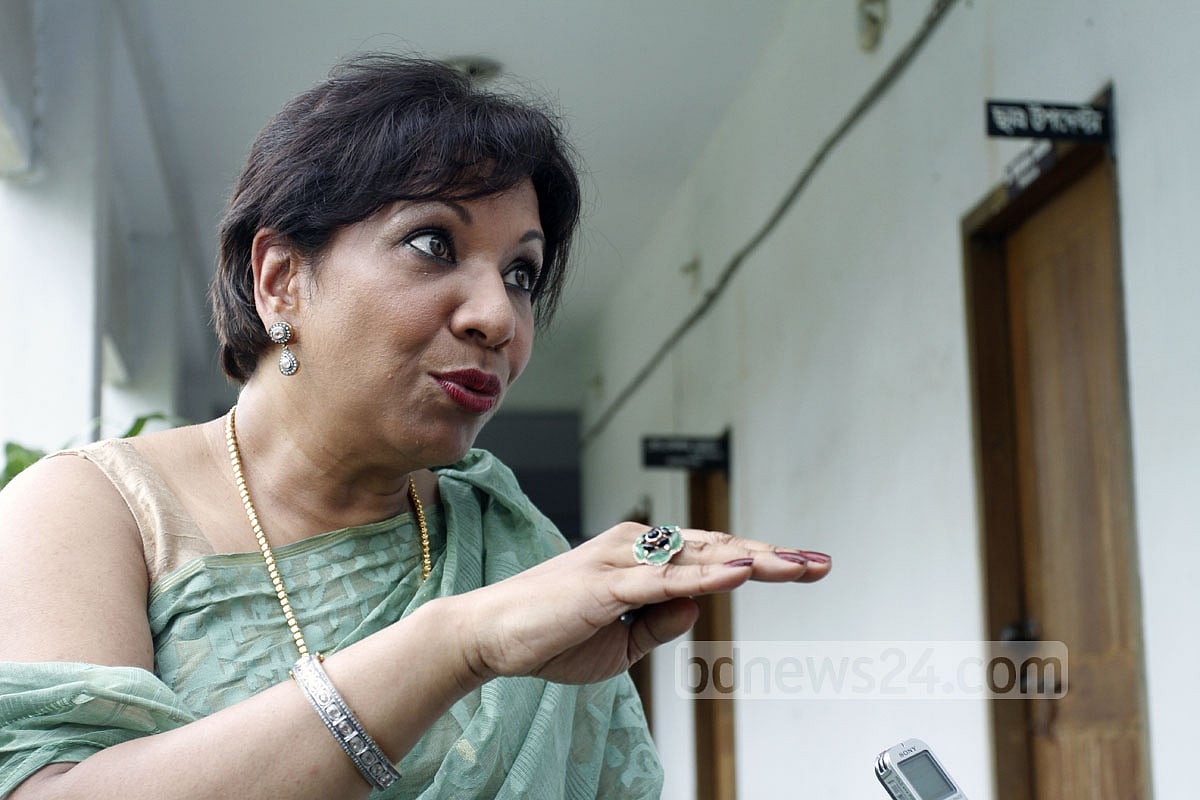
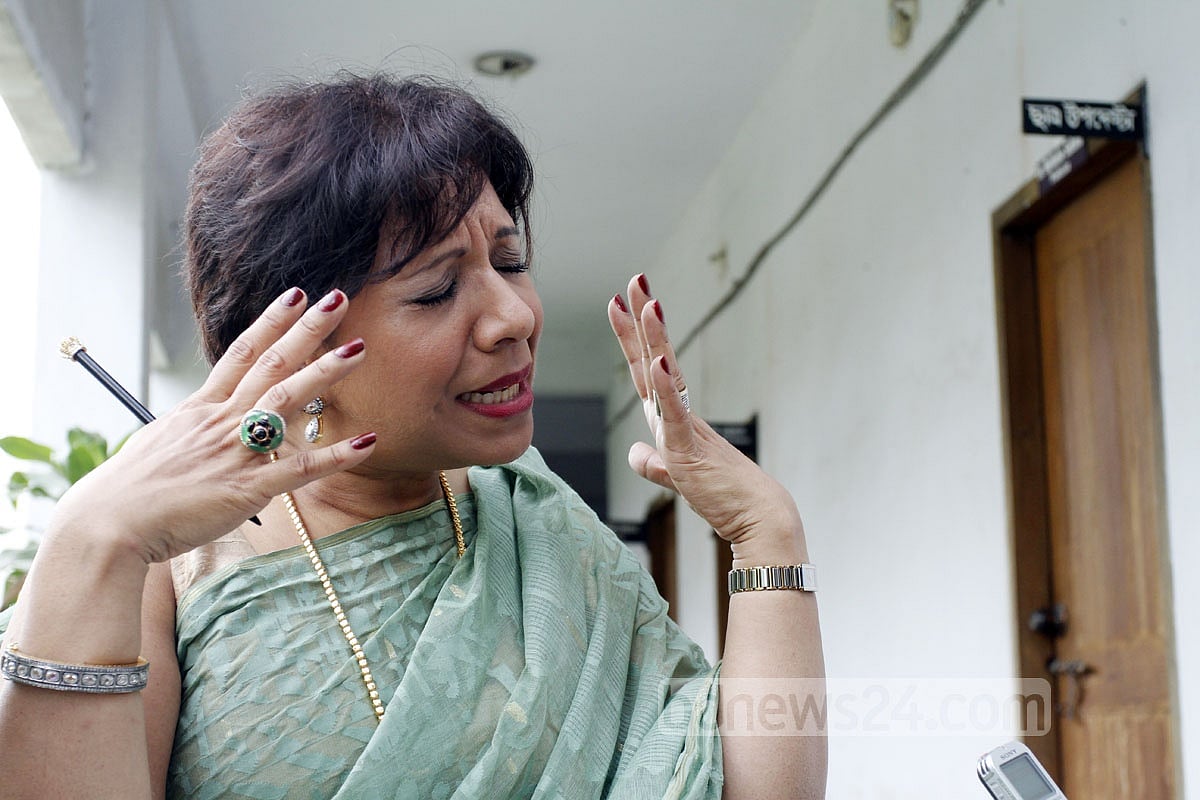
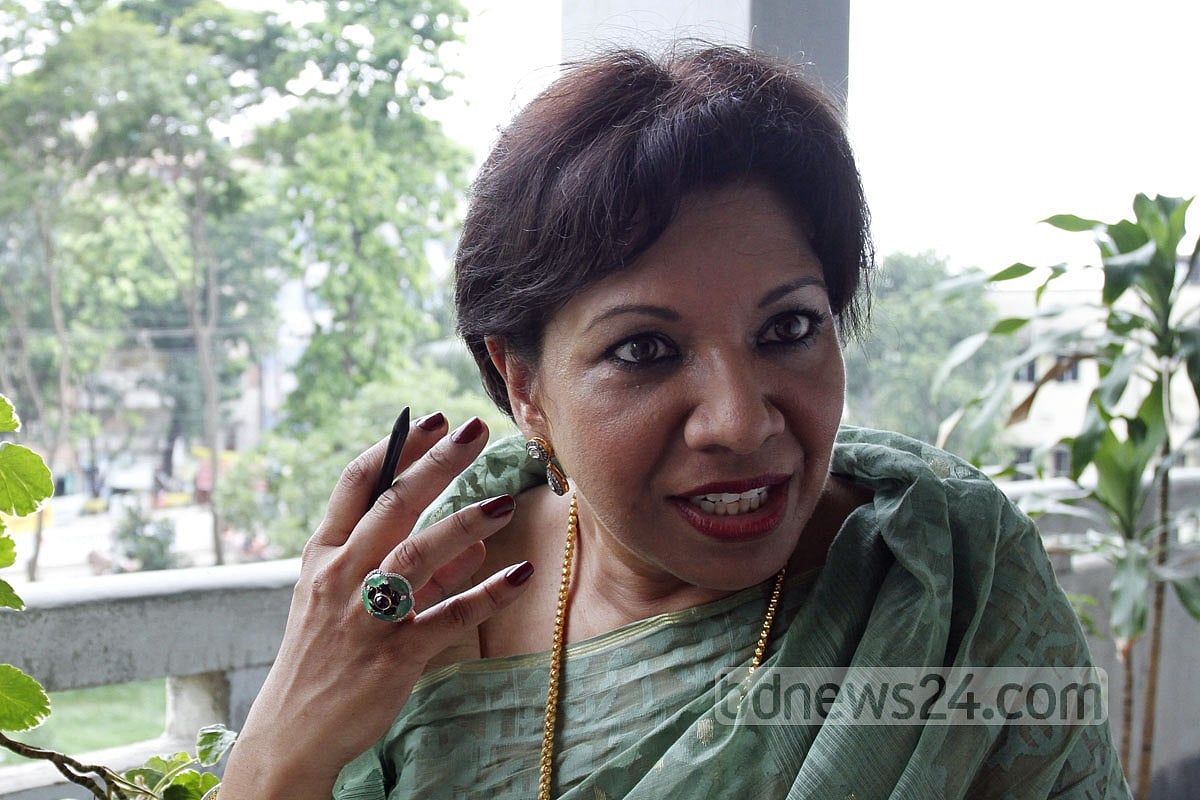
“It (mental health) is a disorder, not a disease. It can be set right,” Dr Tasneem Raina Fateh, who is a counselling psychotherapist within the UK’s National Health Services (NHS), told bdnews24.com on the sidelines of a seminar at Dhaka University.
She found a general lack of understanding about mental health issues in Bangladesh, which she feels aggravates the condition of a person suffering from such a disorder, and she sought “concerted efforts” and the “responsible involvement” of professionals in a “client-centred approach” to handle mental health disorders.
“If someone is mentally ill, we think he has lost his other senses. But that’s not usually the case. We all suffer from mental health issues. You have stress in daily life. That’s a mental health issue, but still you work. When it becomes excessive and cannot be managed, that is when a mental health disorder can be said to begin, and you cannot work.”
“But it’s not a disease. It does not change the brain cells. Function as such does not change: rather, function becomes abnormal. But function can be restored,” she said. “However, you need space to handle that mental health disorder.”
Early intervention was needed, she said, to prevent a mental disorder from worsening. “People with mental health issues are not dangerous at the beginning. We think in this country they are dangerous, but they are only dangerous when you do not treat them.” They may even kill themselves, and most of those who commit suicide have been suffering from mental health disorders.
Client-specific treatment
After becoming a graduate of Dhaka Medical College, Fateh studied in the UK and joined the NHS in 1997. Within the NHS, she is known for her work on cross-cultural mental health issues, particularly in relation to the Bangladeshi community in Britain.
Fateh said the rehabilitation model she uses is “a model in which all work with empathy.
“It’s a client centered model, and it’s a multidisciplinary model. All professionals will work around the client, (and) there is no hierarchy in the model.” The model works without hampering the regular life of those suffering a mental health disorder. “You have to work, take food, go to school.”
But “cultural sensitivity” was important to her approach to handle mental health issues. A purely Western model would not work in Bangladesh, or even for the Bangladeshi community abroad. Elements of the Western model can be brought to Bangladesh, but the approach has to be culturally acceptable in Bangladesh.













