


Published : 16 Nov 2012, 08:53 AM
Updated : 24 Apr 2022, 03:27 PM


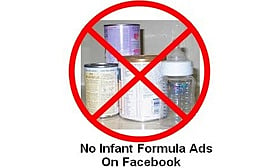
Bangladesh will soon have a stricter law to stop 'aggressive marketing' of baby food companies that, experts say, put brakes on life-saving breastfeeding campaign.
Senior Secretary at the Ministry of Health and Family Welfare Md Humayun Kabir made the announcement on Thursday at a workshop in Dhaka without divulging details of the draft and specifying the time.
The ministry started the process to replace the 1984 Breastmilk Substitute Ordinance (BMS) three years back as experts suggested a stronger law to support under-2 feeding practices in Bangladesh where nearly 50 percent children are malnourished.
Health and Family Welfare Minister AFM Ruhal Haque during the World Breastfeeding Week in August had also said they would place the law before the cabinet for endorsement. But it was not clear why it took time.
No-one could not put their finger on the exact reason for the delay – some stakeholders say pressure from multinational companies are always there – but officials had pointed to red tape while talking to bdnews24.com earlier.
The Secretary on Thursday said they had proposed tougher penalties for a breach of the BMS code.
"But we have to implement it, once passed. Only adopting a law is not enough, if we cannot enforce it," he said.
Dr SK Roy, Chairperson of the Bangladesh Breastfeeding Foundation that helped the ministry to draft the law, earlier told bdnews24.com that the draft prohibited promotions of breast milk substitutes at all level.
He had said companies would not be able to advertise their products for under-2 children in any medium including televisions and newspapers.
A new law was imperative in Bangladesh, he said, as the 1984 Ordinance based on the International Code of Marketing of Breast-milk Substitutes (International BMS Code) did not include all provisions of the code.
If a country adopts a strong BMS code, it decreases the use of breast milk substitutes as happened in the Philippines where a strong regulation saw the use of infant formula milk fall from 57.5 percent in 1986 to 2.8 percent in 1988.
An analysis of the data of the Bangladesh Bureau of Statistics shows that baby food in the absence of breastfeeding costs a high portion of a family's financial resources –30 percent of the average household income or Tk 137,760.
The latest results of Bangladesh Demographic and Health Survey show only 21 percent families strictly follow the under-2 feeding practices that include start of breastfeeding within first hour of birth and exclusive continuation until six months of age.
Proper under-2 feeding practices also recommend giving homemade food on the seventh month and continuing with breastfeeding until two years of age.
Addressing the workshop, WHO Representative to Bangladesh Dr Thushara Fernando said child deaths can significantly be reduced by proper feeding practices.
"It is proved," he said extolling Bangladesh's recent progress in exclusive breastfeeding rate that jumped to 64 percent in 2011 after a long 15-year plateau at around 45 percent.










