


Published : 09 Feb 2014, 08:48 PM
Updated : 08 Aug 2022, 06:28 PM


The government’s disease monitoring arm, IEDCR, has revealed in its latest update that in December and January the virus infected 15 people in 10 districts, of them six died.
“The concern is that it (Nipah infections) is still continuing. We should be aware of that. It’s preventable,” IEDCR Director Prof Mahmudur Rahman told bdnews24.com.
The ability of the virus to infect people who drink raw date sap and then move on to others through contact has been a public health concern in Bangladesh ever since it was first detected in 2004.
It has been striking every year since then between Dec and Apr.
Anthropological study says drinking raw date or palm sap in the morning is an age-old practice in Bangladesh, especially in rural areas, where there is a general lack of hygiene.
The virus has so far infected 257 people, of them 189 died, resulting in a 73.5 percent mortality rate.
“It can be prevented hundred percent if we can stop people from drinking raw date juice,” the Director said. “But once infected, we don’t have a cure.”
He said that, though the number of infected people was low, the high mortality rate was “a significant public health concern”.
“Besides, we got about 33 percent cases that had contracted it from others,” he said.
Nipah virus was first detected in Malaysia in 1998, but now Bangladesh, a hotspot for infectious diseases, is the only country to report the disease.
“Many things were unknown before we first learnt in 2008 that bats carry the virus,” Prof Rahman said.
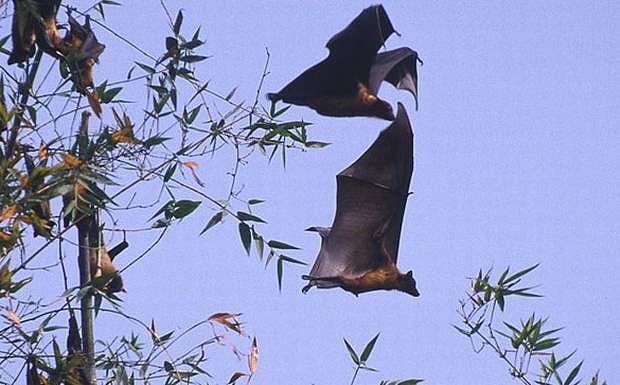
An ICDDR,B study using infrared cameras found that fruit bats drink the juice from pitchers fastened to the trees to collect the sap. They also urinate into the pots.
The Pteropus bat’s saliva and urine carry the virus that is destroyed if the sap is boiled at 70 degrees Celsius.
Meherpur, Naogaon, Rajbarhi, Tangail, Faridpur, Manikganj, Rangpur, Kushtia, and Thakurgaon districts of central and north-western region are highly vulnerable to nipah, according to IEDCR.
When it breaks out, panic runs so high that people even desert their homes en masse.
The government first started telling people not to drink raw date sap in 2012, a year after an outbreak in northern Lalmonirhat prompted many people to desert their villages in panic.
“When we got vivid evidence through research that raw date juice passed on the virus, we began telling people not to drink it raw,” the IEDCR Director said.
IEDCR tests patients’ blood samples referred by the hospitals for the presence of virus.







