Published :
27 Jun 2013, 11:56 AM
Updated :
09 Aug 2022, 10:51 AM
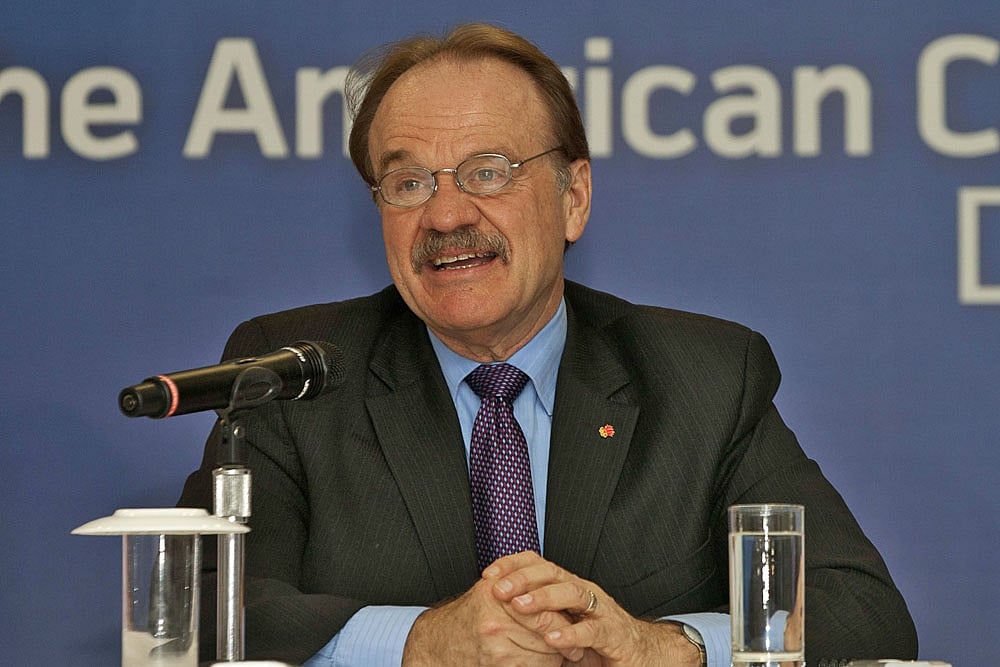
Despite Bangladesh’s steady progress in reducing poverty, US ambassador in Dhaka Dan Mozena has said challenges remain in changing eating habits that stand in the way of reducing stunted growth.
The envoy was lamenting at a meet the press on Thursday before launching his government supported year-long television programme on health and nutrition awareness.

He said Bangladesh was not a poor country with its vastness in natural resources, yet 41 percent children under five were stunted, a critical rate by the World Health Organisation definition.
Stunting is the consequence of under-nutrition in the first 1,000 or so days of a baby's life, including during gestation.
Stunted children learn less in school and are more likely to live in poverty and go on to have stunted children.
Unicef says these in turn increase poverty in affected countries and regions, and create greater gaps between the rich and the poor.
World Bank says Bangladesh has been able to cut poverty even before the 2015 MDG deadline. Latest Bangladesh Demographic and Health Survey showed positive trends in all health indicators, except nutrition.
Ambassador Mozena said fighting poverty would be “half of the battle...in some way that is the easy part”.
“Much more challenges will be in changing eating habits, nutrition habits...these food habits, this fixation with eating mountains of rice and little else, these traditions are millennia old and are deeply ingrained, even when mothers seek to diversify the diet, their husbands reject this, wanting to stick with old habits.
“...challenging such traditions, as experience in America and around the world has shown, is tough, really tough...but it can be done,” he said.
The ambassador said lack of knowledge twined with poverty added up to 41 percent of Bangladeshi children suffering from poor nutrition.
The US agency for international development teamed up with the Voice of America and Desh TV to raise awareness on health, nutrition and population issues through television programmes which would be aired on Desh TV.
The fortnightly show would be aired on second and fourth Saturday of a month at 8.15pm.
The first show will be telecast on June 29, managing director Asaduzzaman Noor MP said.
The ambassador said this partnership would “bring into the homes of millions of Bangladeshis around the nation valuable lessons on how families can be strong and healthy”.
“It will teach parents, particularly fathers, the importance of changing age-old habits to introduce greater nutritional variety into the diet,” he said.
Focus will be given on clean water, combating infectious disease, special care for pregnant mothers, newborns, and small children.
USAID Mission Director Richard Greene said through TV programmes they would disseminate information of starting ‘balanced diversified diet’ after six months of a child’s age.
“Knowledge to hand washing and continued breastfeeding will also be given,” he said as he observed that “it’s not about resources, it’s about information that mothers and children do not know”.