Published : 10 Aug 2021, 01:28 AM
Updated : 14 Oct 2022, 06:56 PM


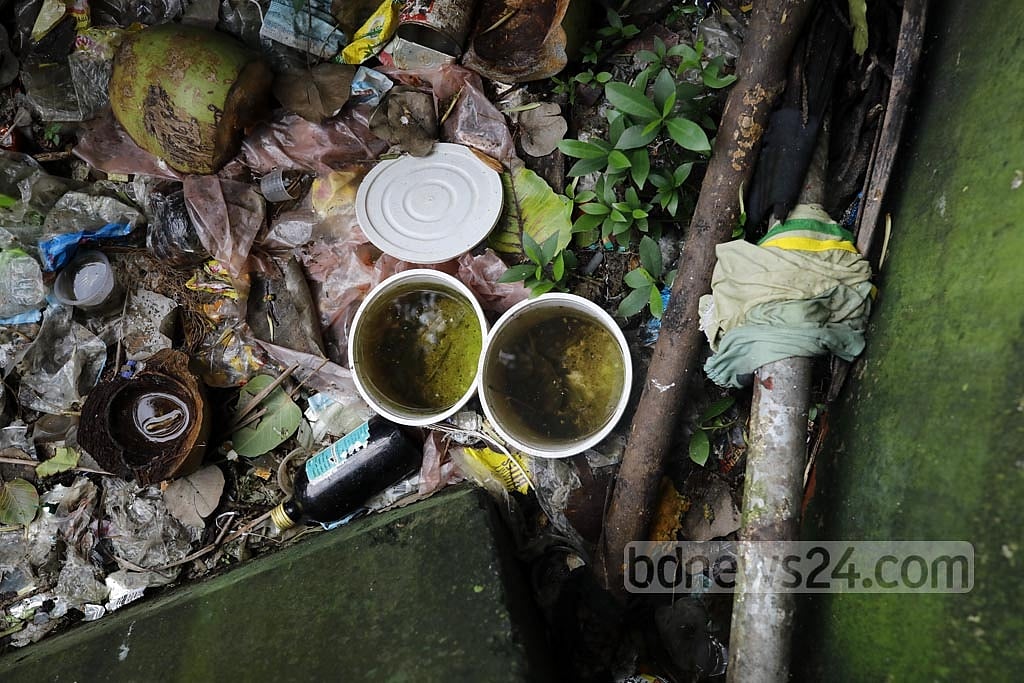
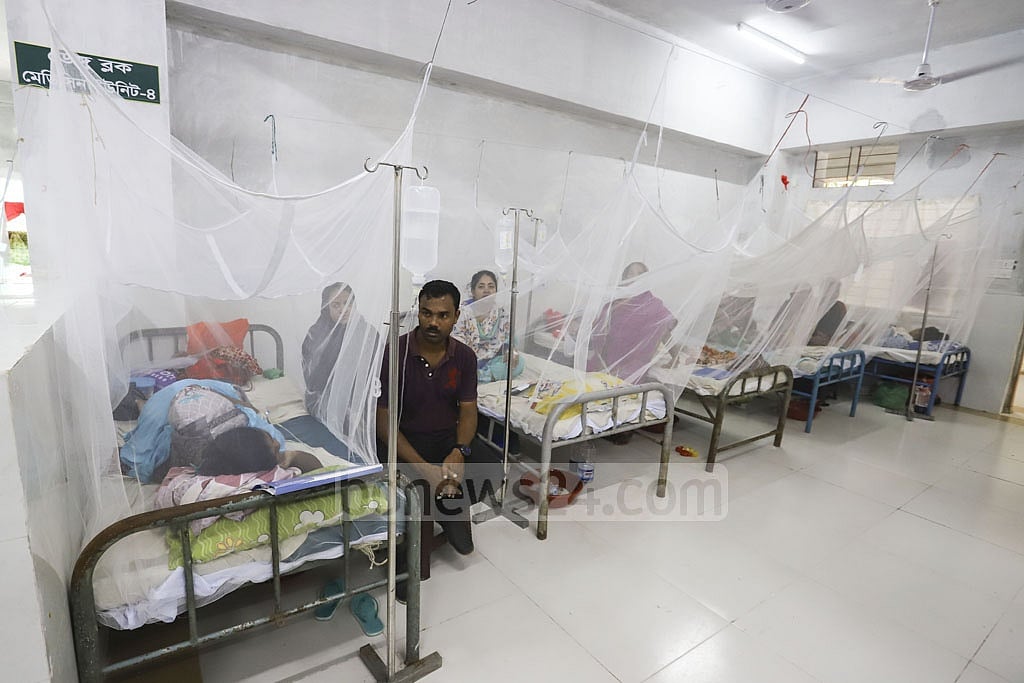
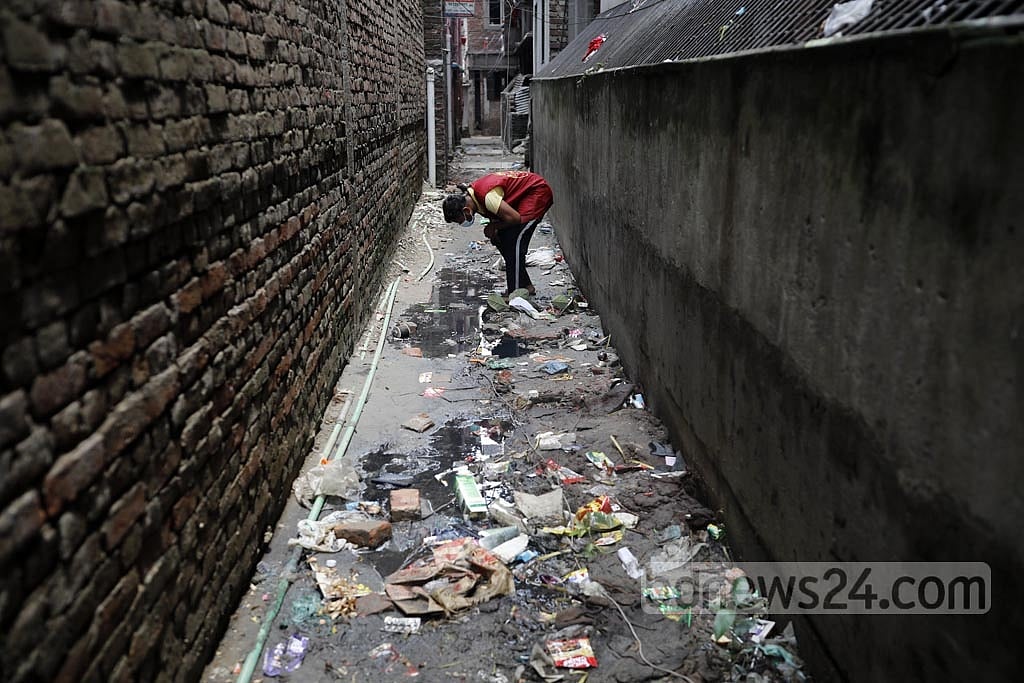
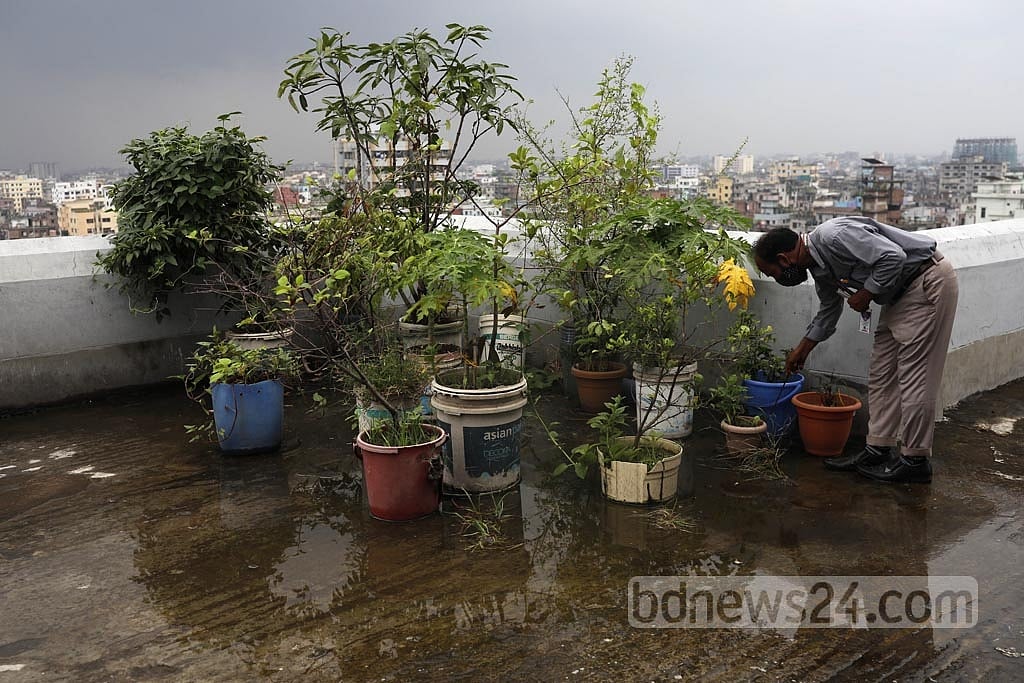
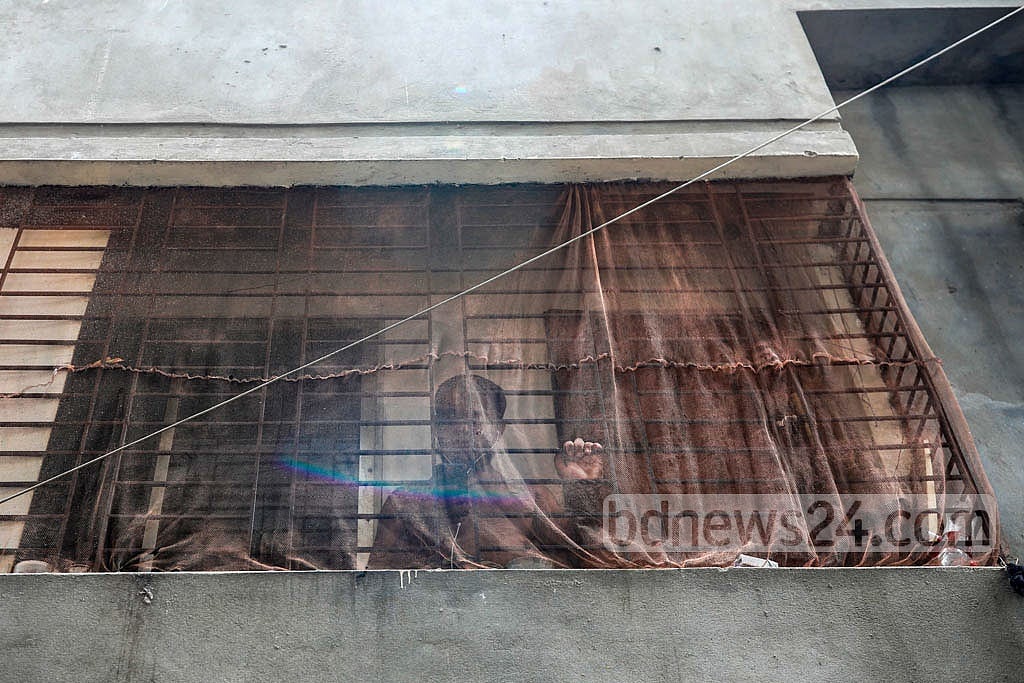

Most of the patients are residents of low-lying areas in Dhaka, hospital records show.
The outbreak of the viral infection has been intensifying with the onset of the monsoon season. Against the backdrop of the COVID-19 pandemic, the massive spike in dengue cases since July is a major cause of concern for health officials as they prepare to combine their efforts on two fronts.
At the start of August, over 200 patients infected with dengue were hospitalised each day. In the past 24 hours, 181 patients have been hospitalised in Dhaka, according to data from the Directorate General of Health Services’ ‘Health Emergency Operation Centre and Control Room’. Outside Dhaka, the number is only 29.
Official counts say that 2,095 patients have been hospitalised in the week through Sunday.
Most of those currently hospitalised in Dhaka are from low-lying areas of the city. The mayors of the two city corporations have called for the support of residents to overcome the attacks from the ades mosquitos that carry the disease.
Both city authorities say they are successfully attempting to control the spread of the disease. The mayor of Dhaka South, Sheikh Fazle Noor Taposh, said that dengue control efforts were much more successful than two years ago.
We can maintain this success if the people remain careful, he said.
The Dhaka North City Corporation says public awareness has been the reason there have been relatively few cases in the area.
OUTBREAKS IN LOW-LYING AREAS
Dengue mosquitos are proliferating in low-lying parts of Dhaka city, including Rampura, Badda, Mirpur, Shonir Akhra, and the Kamalapur and Dakhinkhan areas. The only solution for this issue, the mayors said, is for people to step forward, keep their surroundings clean and to inform the city corporation and support them in their efforts to control dengue. If these efforts are made, containing the disease should not be too difficult, they said.
“We have created a dengue corner for the patients who are coming in,” said Prof Md Sharfuddin Ahmed, the vice chancellor at Bangabandhu Sheikh Mujib Medical University.
“Most patients are from areas prone to waterlogging – such as parts of Mirpur, Badda and Rampura.”
“Aedes mosquitos spawn wherever there is standing water, which could happen in Dhanmondi or Banani too. Aedes mosquitos use water in flower pots, potted plants, discarded tires and bottles to breed. As low-lying areas tend to get more standing water, there are more mosquitos there.”
DHAKA SOUTH
“Low-lying, waterlogged areas are fertile breeding grounds for aedes mosquitos,” said Dhaka South Mayor Sheikh Fazle Noor Taposh.
“And there has been intermittent rain nearly every day. This means rooftop gardens, reservoirs, construction sites, abandoned properties, areas between buildings and abandoned tires and bottles near homes and yards are all places where water can collect and Aedes larvae can grow.”
“Because of this, near the end of July and the start of August, we saw a spike in dengue patients. In response we started large scale programmes to seek out and destroy mosquitos, monitoring and coordinating our efforts through the control room. Since the second day of this programme, we have managed to halt the upward trend in cases and have been successful in containing it. I hope the dengue outbreak will slowly diminish and be brought down to zero before long.”
Mayor Taposh also called for residents to involve themselves in this effort.
“If we compare our current situation to the standards of 2019, we can call our efforts to control the infection a success. If the public remains on the alert, we will be able to maintain it.”
“I urge Dhaka residents to come forward with information about Aedes mosquito breeding grounds. We have set up hotlines for our control room – the numbers are 01709900888 and 029556014 – and also a website where residents can fill out forms to let us know areas that may be at risk. If you come forward, we can create a safe Dhaka. We have the sincerity, the manpower and the equipment. All we need is information. If you can provide that to us, we will, Inshallah, be able to control the disease.”
DHAKA NORTH
Dhaka North City Mayor Md Atiqul Islam claimed, during a programme aimed at informing people about Aedes mosquitos, dengue and chikungunya in the Beraid area on Sunday, that data showed the reduced prevalence of dengue in his constituency was due to high public awareness.
No dengue cases had been detected at DNCC ward 42 so far and called for the support of the public to shore up dengue prevention efforts.
He also called for a social movement to prevent the spread of mosquito-borne diseases
during the event.
“There is no substitute for a healthy environment in order to develop good health. To ensure a healthy environment we need to create a social movement to maintain cleanliness and involve our entire population in maintaining it.”
He warned that any building, whether private or public, would be fined if it was found to be a breeding ground for Aedes mosquitos.
“Remain alert so that flower pots, unused tires, discarded coconut shells, open chips packets, open bowls and roofs do not collect water that stays standing for three days or longer.”
According to the DNCC Public Relations Wing, between Jul 27 and Aug 7, combing efforts found mosquito larvae at 963 buildings in 54 wards. The drive then filed 28 regular cases and 229 mobile court cases over these incidents and collected fines of over Tk 4.21 million.