


Published : 26 Sep 2021, 01:13 PM
Updated : 14 Oct 2022, 06:59 PM


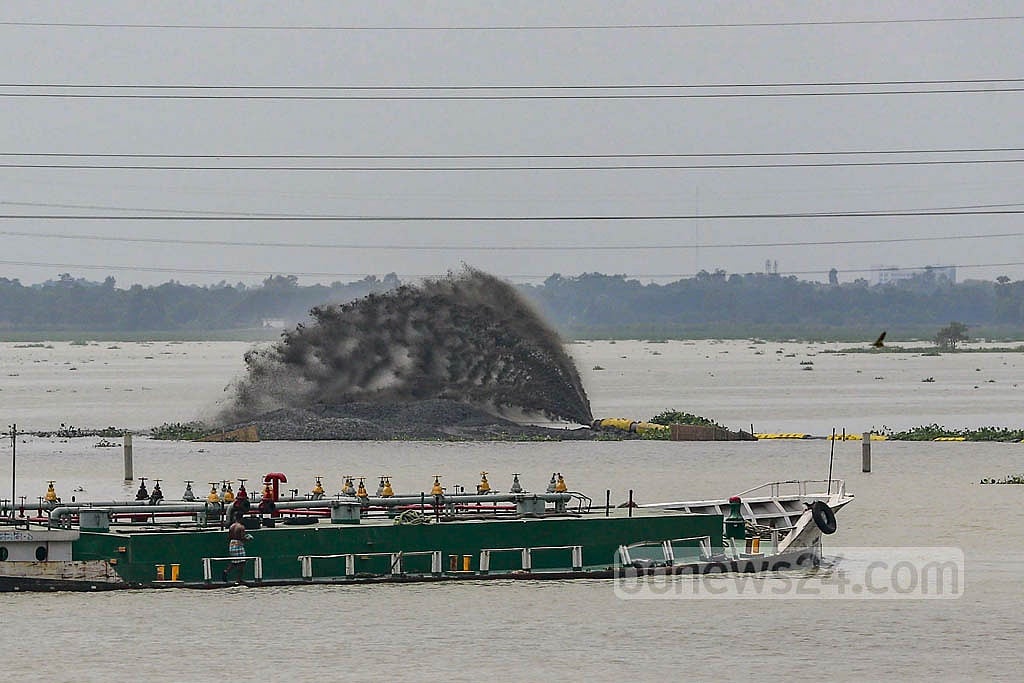
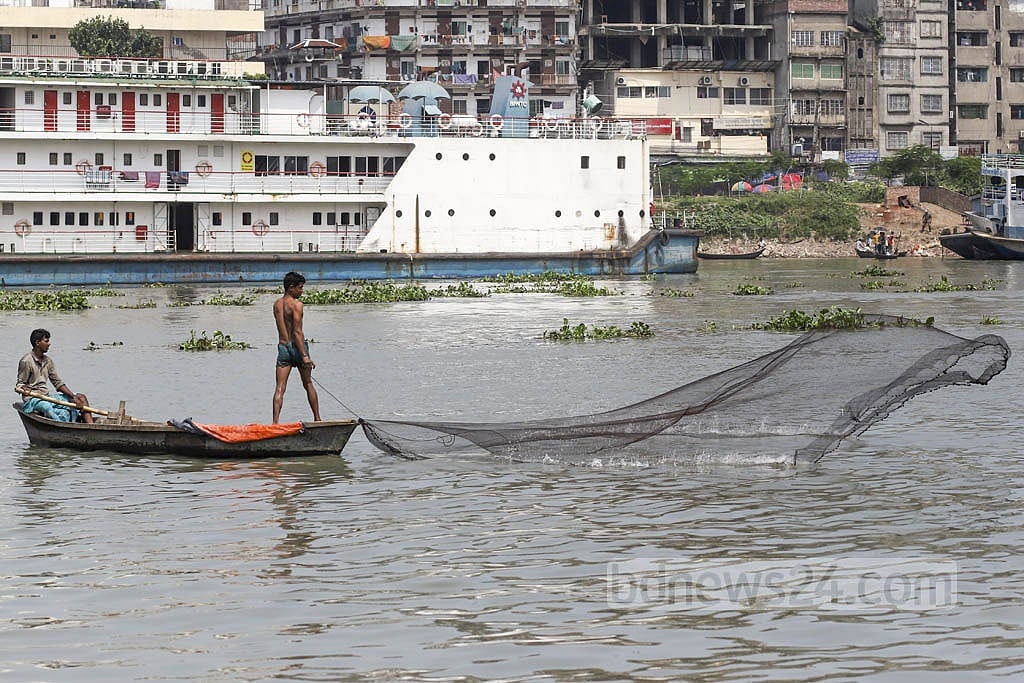
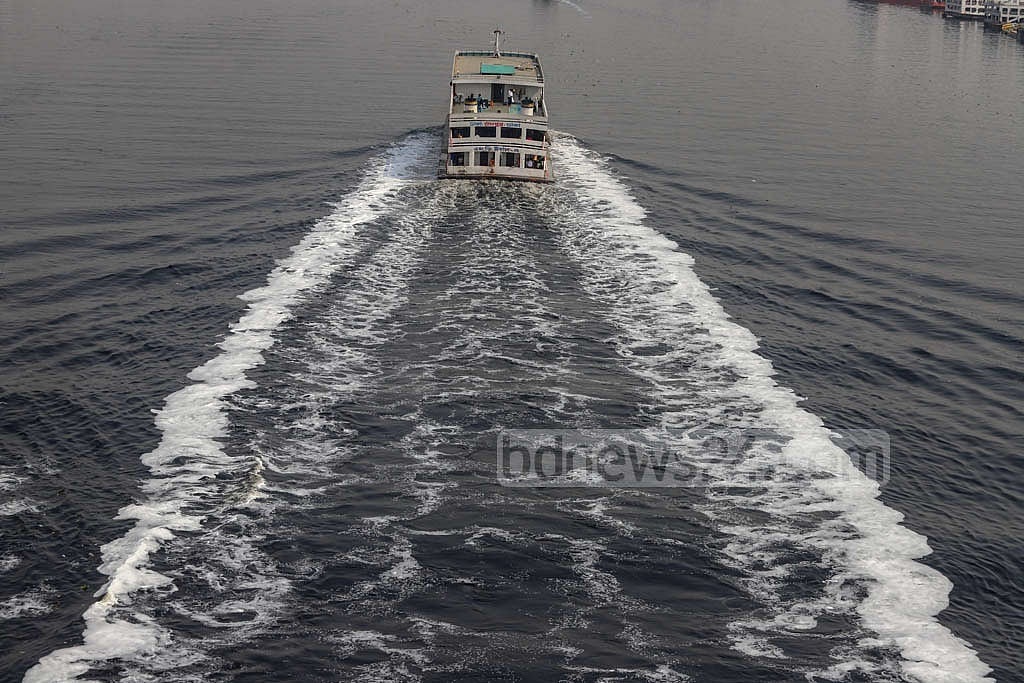
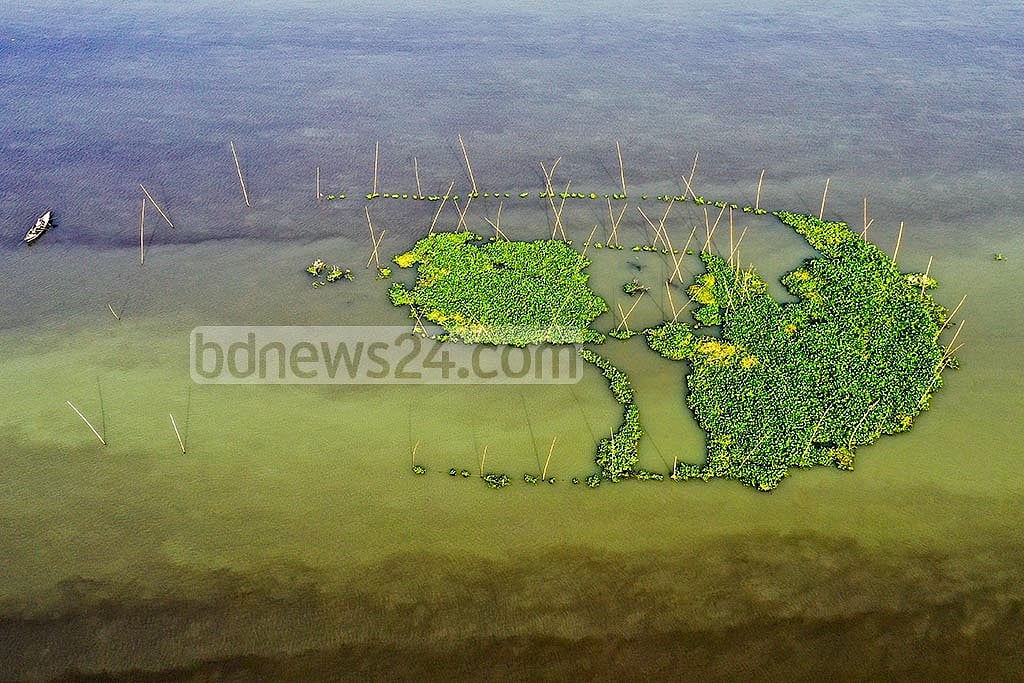
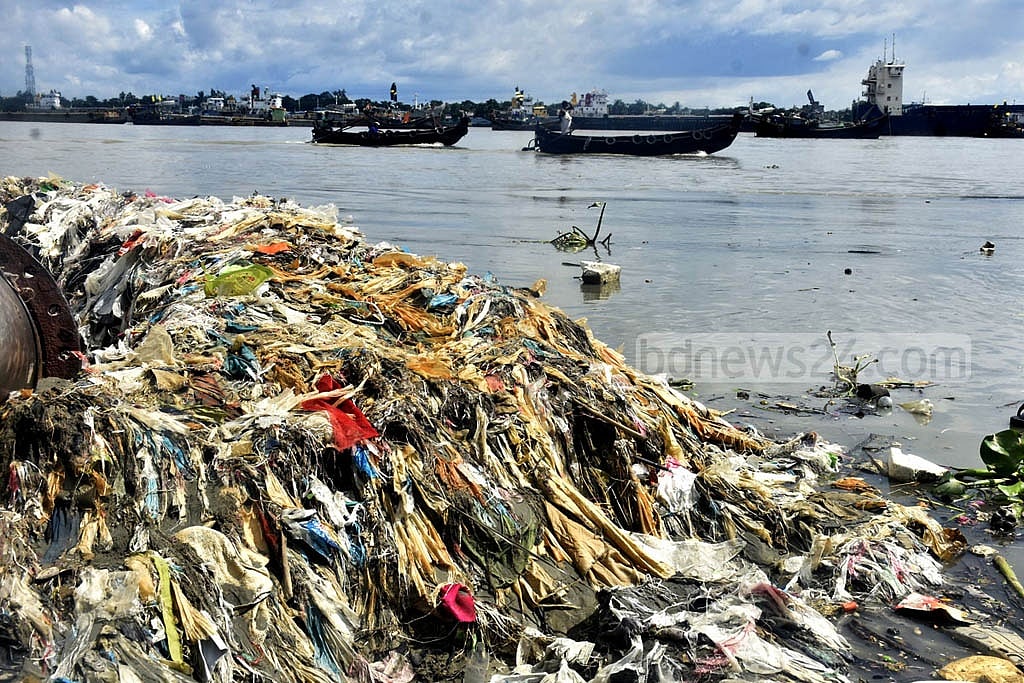
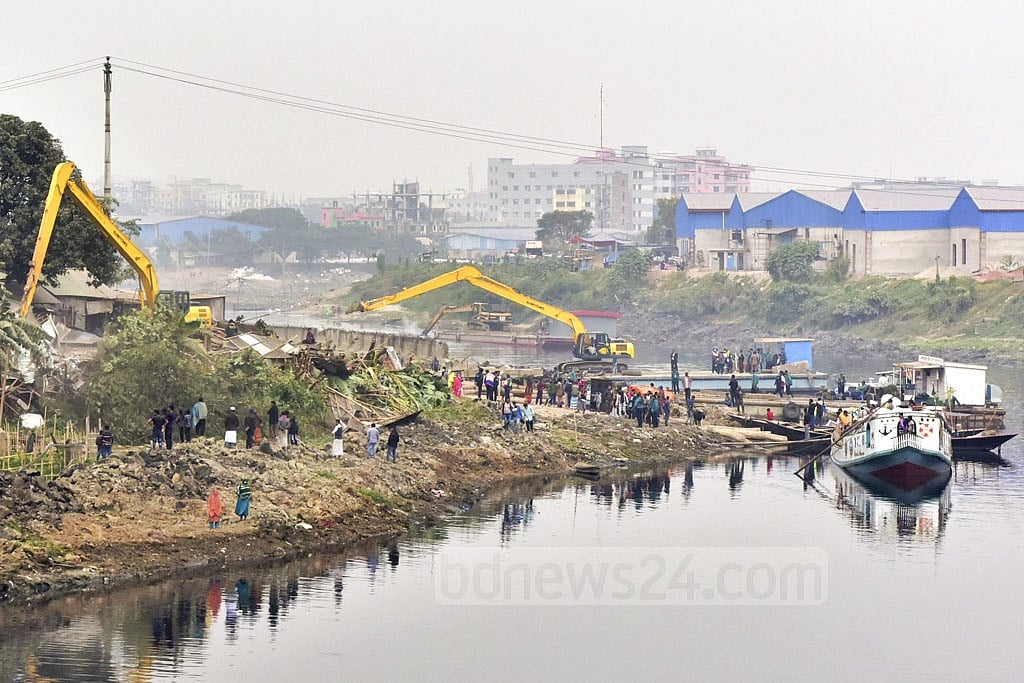
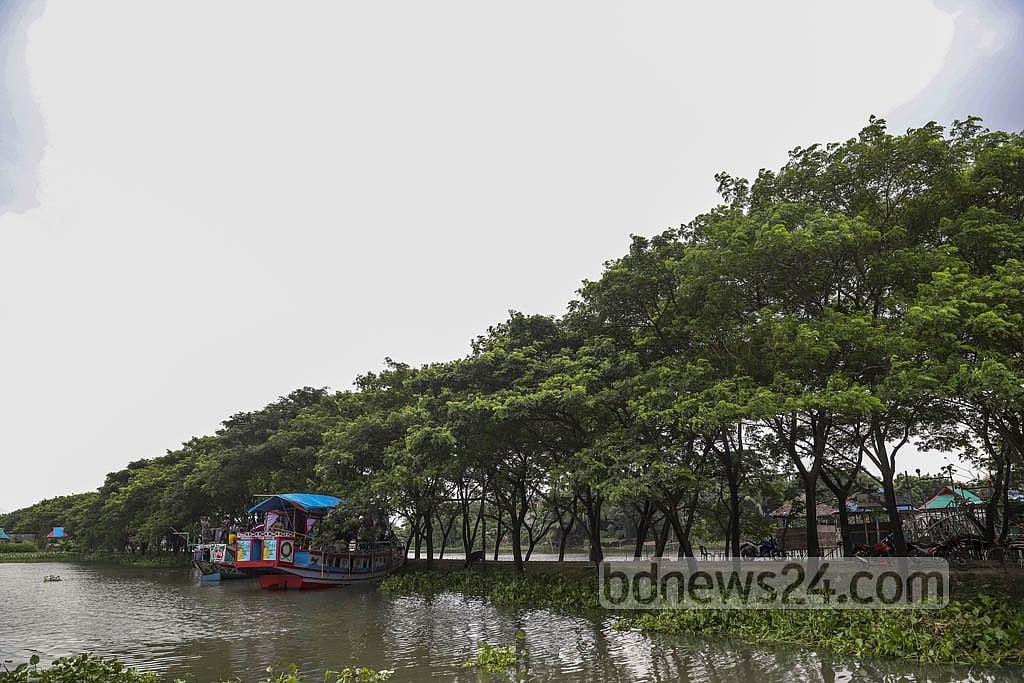
However, as there are no proper statistics available, the commission is working to list the rivers across Bangladesh to figure out how many of them can be restored to their natural flow and how many have already lost it.
Bangladesh may soon face a severe natural disaster like Europe, if the government fails to prioritise the conservation of rivers and water bodies, according to environment activists.
The British Columbia Institute of Technology has been observing World River Day on the last Sunday of September every year, since 1980. This year the day falls on Sept 26.
To mark the occasion, bdnews24.com asked NRCCB Chairman Ali Kabir about the current situation of rivers in Bangladesh and whether there has been any positive progress on safeguarding them.
The commission has been working to restore rivers and evict encroachers, he said.
“Authorities have identified over 770 rivers and 60,000 encroachers. We have put forward some recommendations. If they are implemented, the rivers will get back their natural flow,” he said.
The NRCCB conducted onsite inspections of rivers and waterbodies across Bangladesh from Jan 2019 to Mar 2020, it said in a report.
The commission inspected the rivers surrounding Dhaka, including the Buriganga, multiple times.
Locals, environment activists, public representatives, civil society representatives and the general population have demanded the removal of illegal structures on rivers and prevention of river pollution during the commission’s inspection.
Most of the land of the second Adi Buriganga channel adjacent to Kamrangir Char has been encroached upon illegally and thousands of houses, offices and structures have been built on it, the report said.
Kamrangir Char and Nababer Char have divided the Adi Buriganga channel, plugging its flow of water.
A hospital, Matador Park and a Panna Group factory have been constructed where the river used to be. Sugandha Krishi Market has also been built on the site.
Permanent structures have been constructed on the riverbank in Jhaochar with an electricity tower of the Power Development Board located within the riverbed area.
Like the Buriganga, parts of other rivers and water bodies across Bangladesh have been grabbed illegally, said Abu Naser, an environment researcher.
“The government takes different initiatives to save the rivers, but they all fail at the end,” he said.
“The way climate change is happening around the world, Bangladesh will face severe natural disasters like Europe if we fail to implement these initiatives.”
“What did we see a few days ago? What happened to the European cities due to heavy rain? There’s no time to waste. The government must take stringent measures to save the rivers.”
The government must reclaim the rivers that have been encroached and restore those that have been lost, he said, when asked about the number of rivers and water bodies.
The large factories set up beside the rivers are “not meant to be there”, State Minister for Shipping Khalid Mahmud Chowdhury had said at an event.
“As they are big companies, with many of them producing food products, they are given some time to shift so as to limit the socio-economic effect. But they must move.”
There was a time when people believed the rivers "belonged to them", he said. “Do you think someone can own a river?”
“All those companies have sprouted indiscriminately around rivers. Now people are aware that they can’t set up any structure on the riverbank and the government owns the river,” he said pointing to the ‘negligence’ of previous governments on maintaining rivers.
The government has been able to create this awareness among the people, he said. “We have given them time, but, no matter how big companies are, they must move away from riverbanks.”













