


Published : 19 Feb 2014, 11:17 PM
Updated : 08 Aug 2022, 06:30 PM


It said the GDP growth in FY2014 will mostly rely on exports as domestic demand will remain weak due to decline in remittances.
The bank in its Quarterly Economic Update (QEU) published on Wednesday, however, did not specify the lowered growth rate.
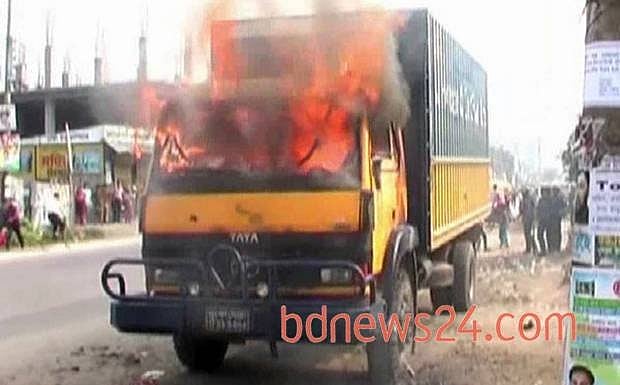
It said, “Lower GDP growth is expected in FY2014 as private consumption and investment were affected by pre-election political unrest.”
“Notwithstanding challenging global and domestic environment, gross domestic product (GDP) growth rate was healthy at 6% in FY2013.”
“However, economic outlook for FY2014 remains subdued due to decline in remittances and weak domestic demand affected by prolonged unrest in the run up to the national election on 5 January 2014. In FY2014, economic growth will mostly rely on exports and domestic absorption,” the QEU said.
It said the industry and service sectors growth will moderate and slow, respectively, because of economic disruptions and weaker industry and pre-election unrest.
But the Manila-based ADB forecasts that growth in agriculture is expected to rise in FY2014 due to the lower base in the past two years.
It said reviving economic activities and restoring consumer and investor confidence after the national election is the major economic challenge now for Bangladesh.
“Re-emergence of unrest will directly affect investment, growth and poverty reduction. Inflation may resurge due to supply disruptions and cost–push factors, including wage increases.”
The QEU said the country’s major challenge centres on the transition of the readymade garment industry, specially after the tragic Rana Plaza collapse at Savar, to meet demands for internationally accepted safety and labour standards.
It also warned, “Notwithstanding the limited effects of the United States (US) withdrawal of the Generalized System of Preferences facility, the withdrawal of the EU will significantly affect exports from the RMG industry and impact Bangladesh’s macroeconomic stability, economic growth, and poverty reduction.”
The government in the current fiscal’s budget set 7.2 percent GDP growth, but the World Bank in its half-yearly report titled ‘Global Economic Prospects’ in January forecast the growth rate would not cross 5.7 percent, essentially due to the ongoing political turmoil.
The ADB in October last year had said in its ‘The Asian Development Outlook 2013 Update’, that the growth for fiscal 2013-14 will be 5.8 percent, falling short of the government’s goal.













