Published : 14 Jun 2015, 10:27 AM
Updated : 19 Oct 2022, 06:48 PM


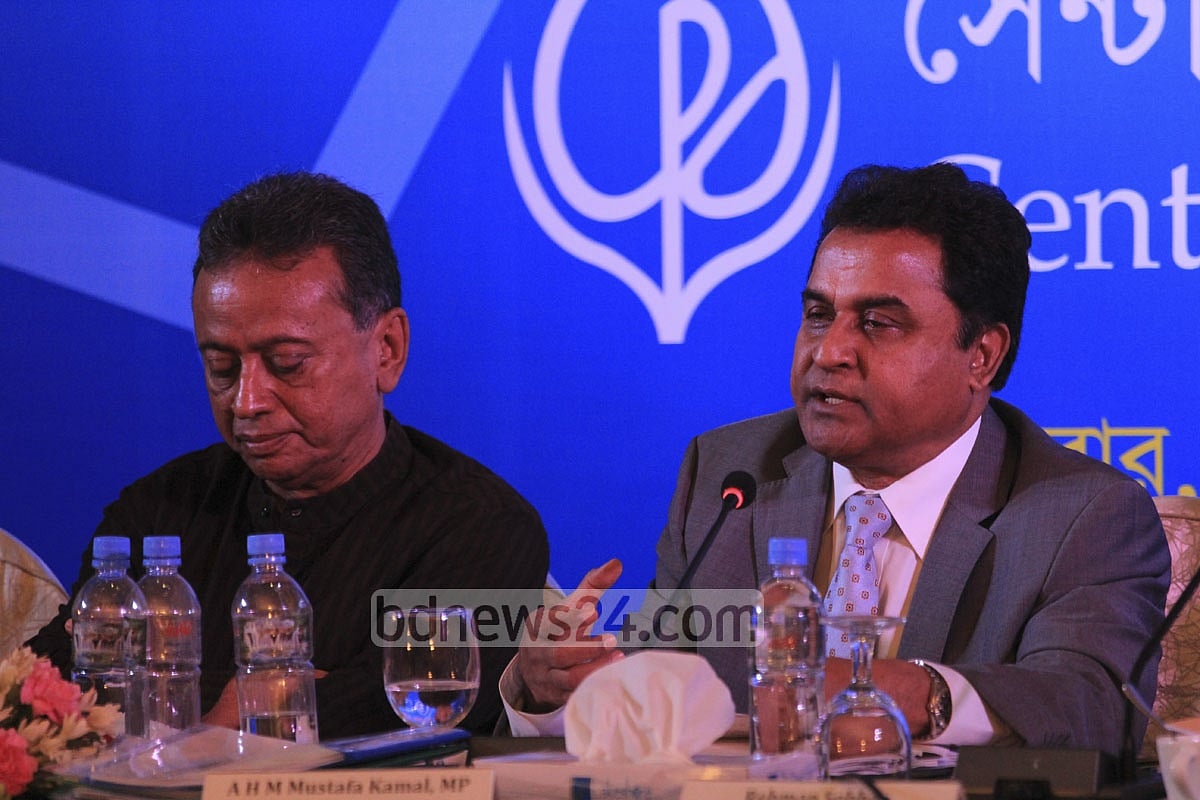
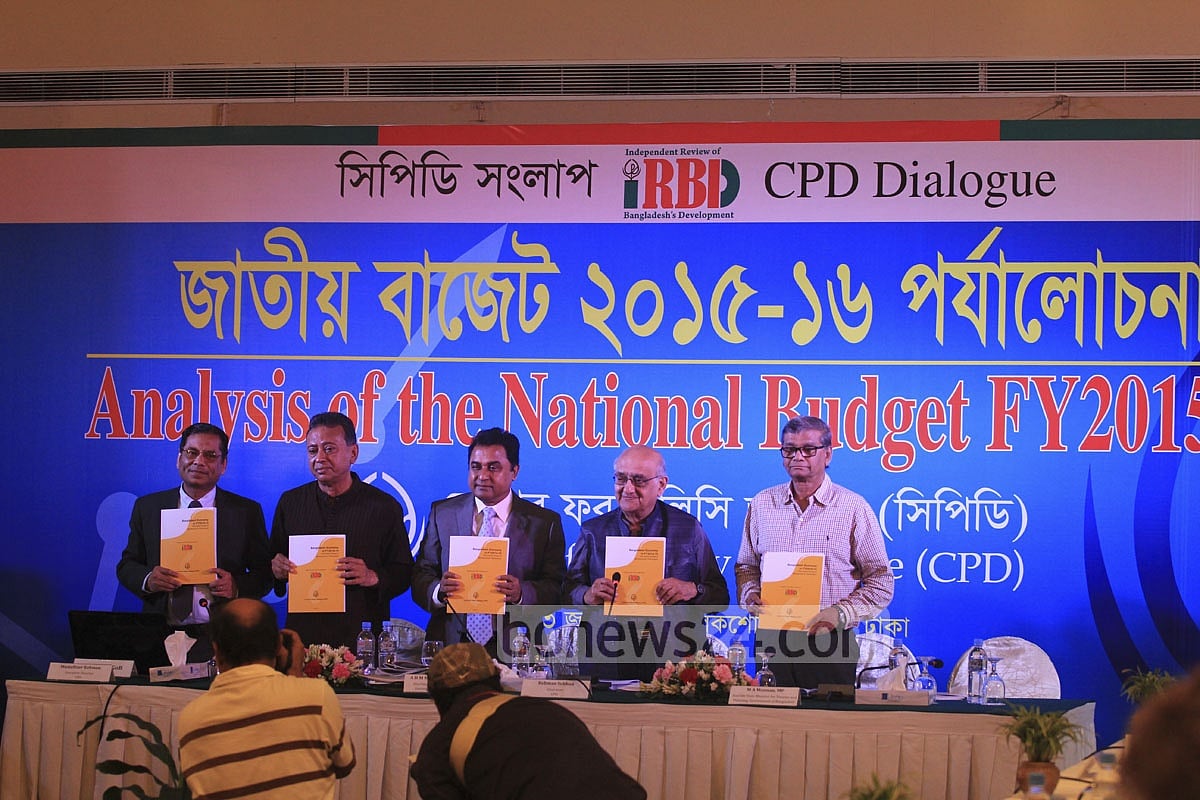
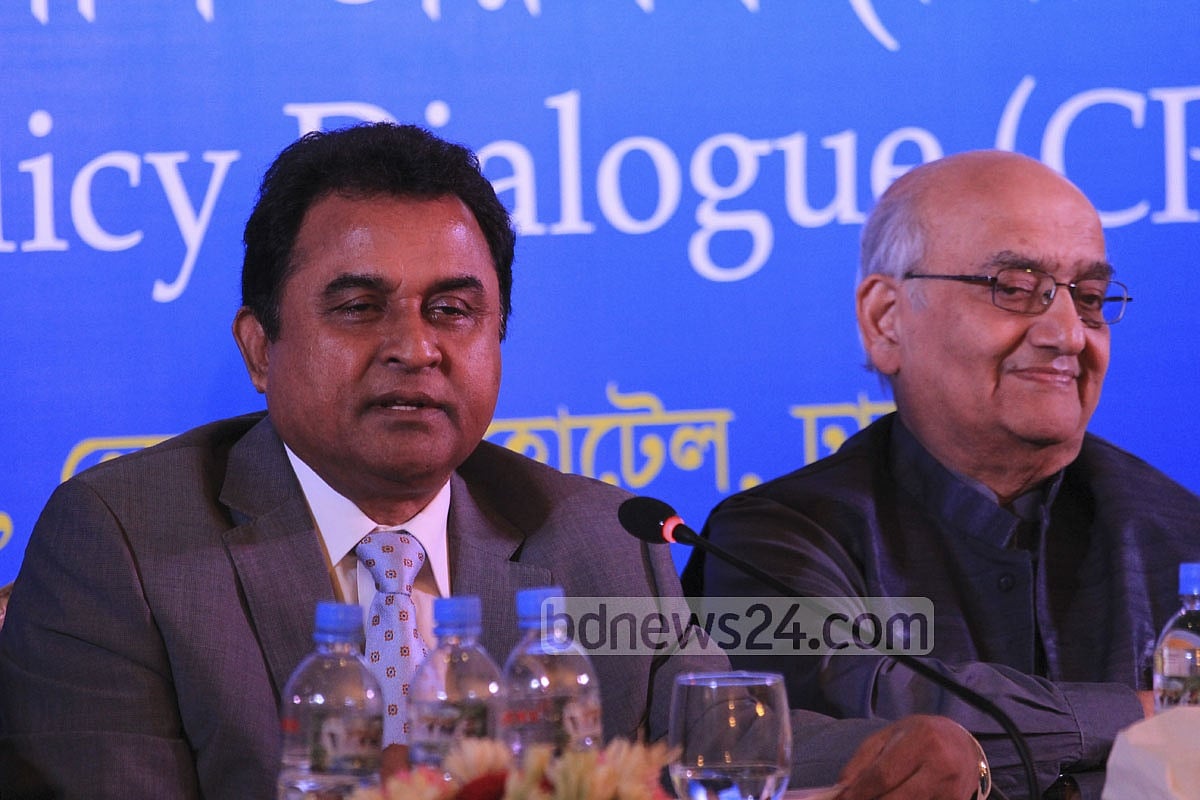
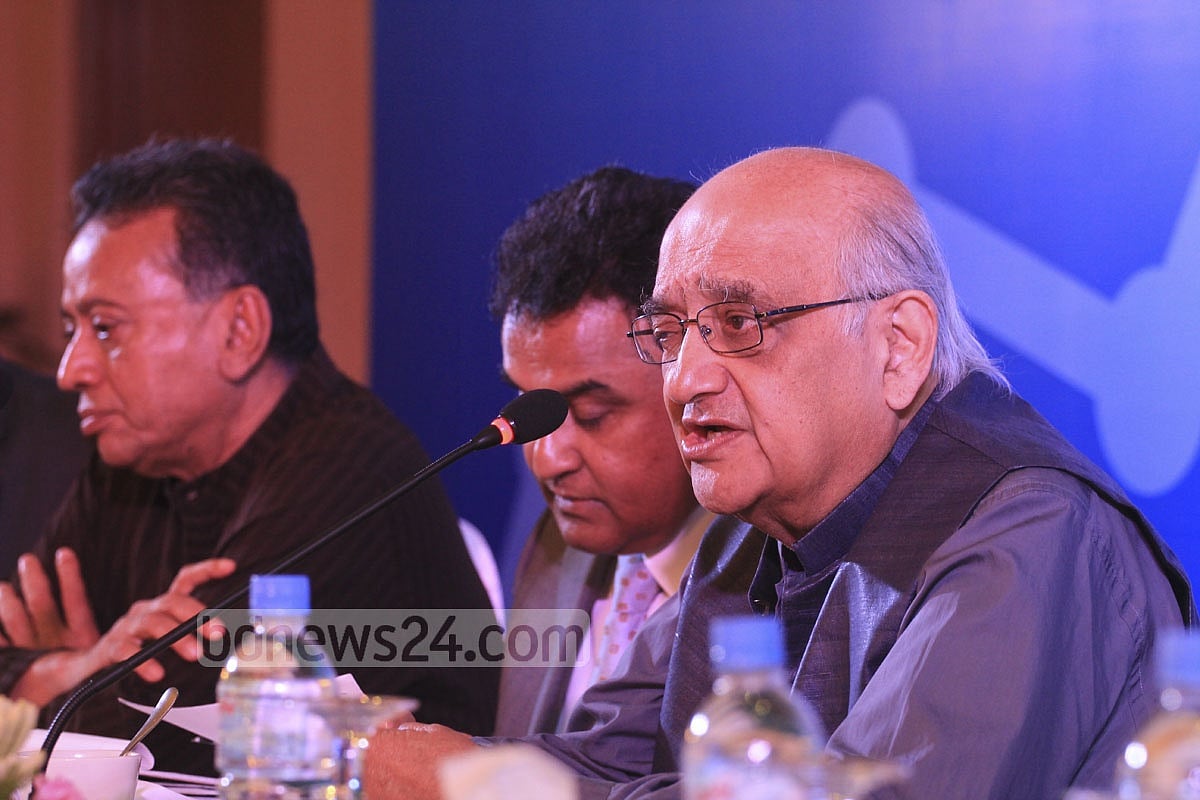
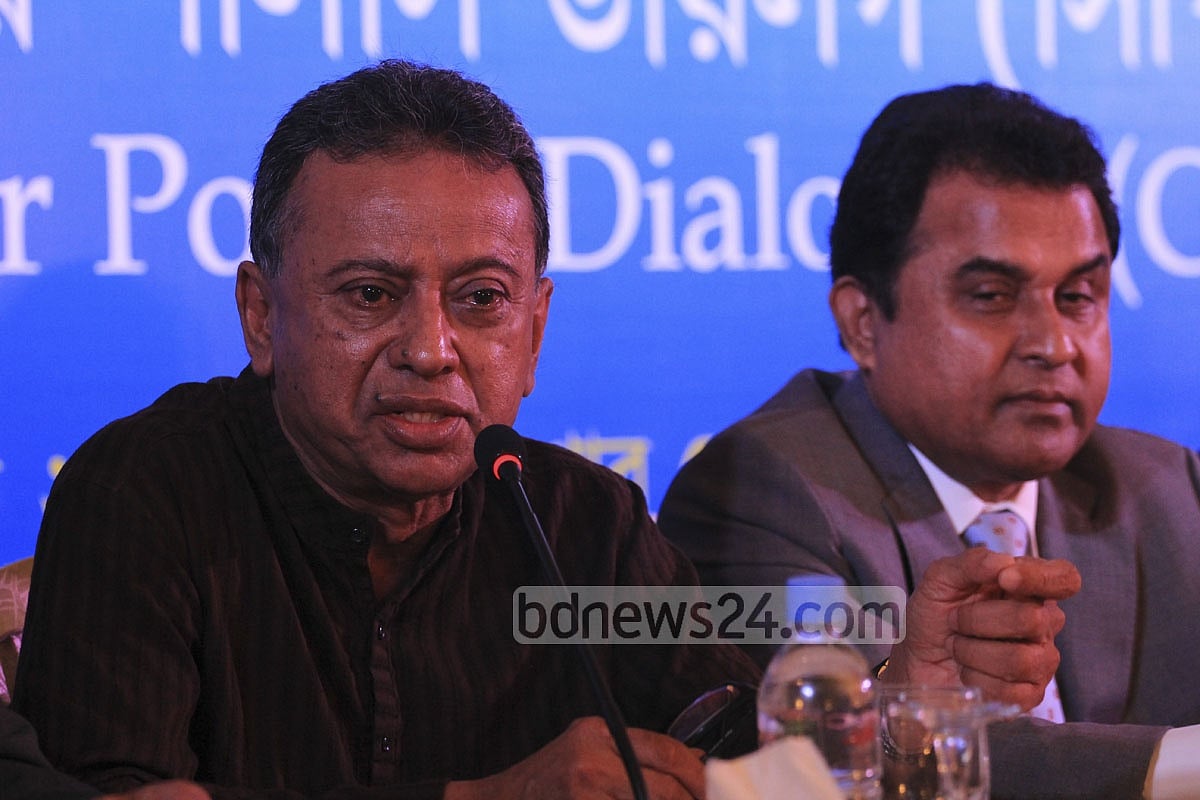
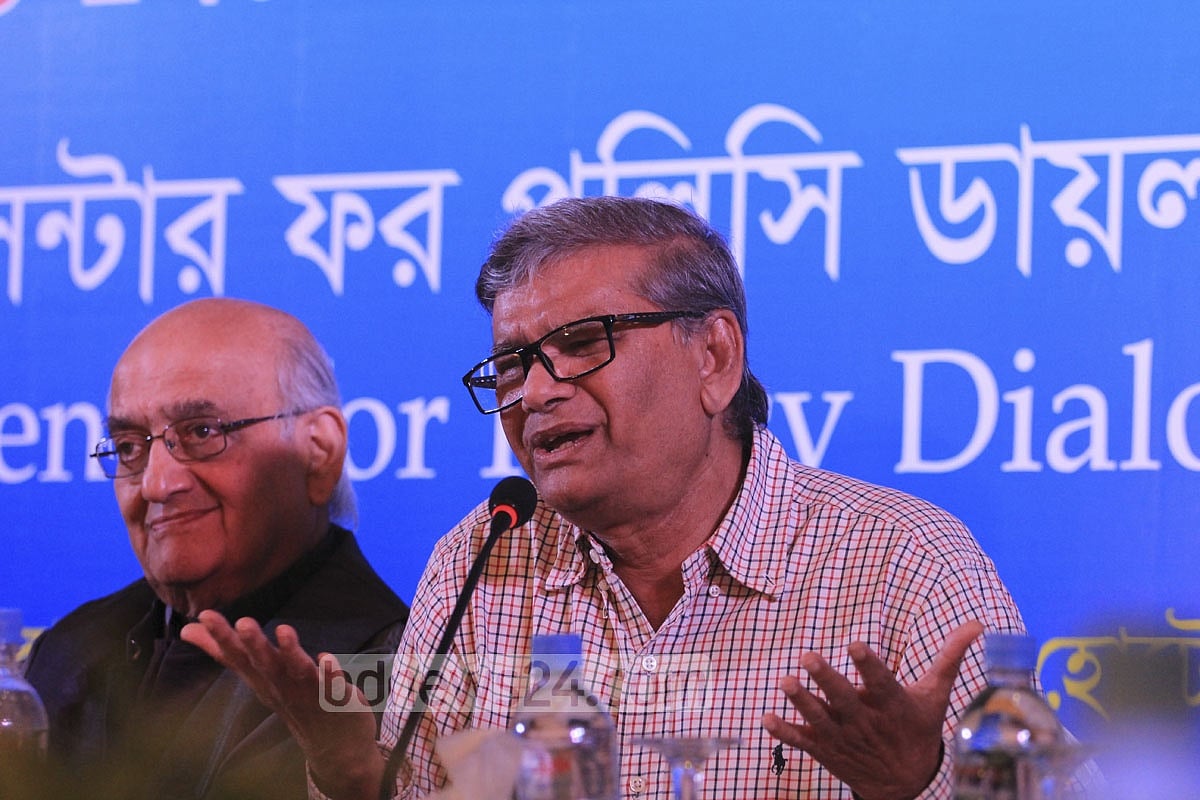
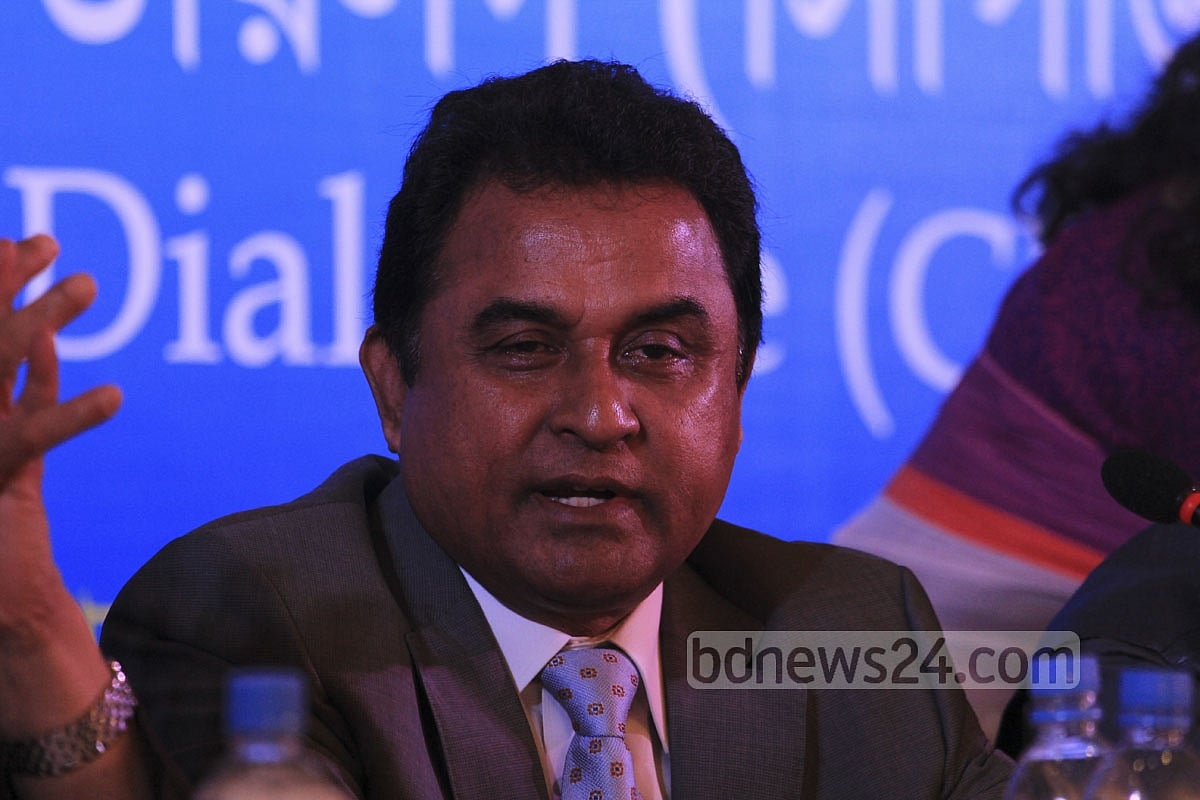
He specified the sectors, from where additional revenue is planned to be raised, in a discussion organised by Centre for Policy Dialogue (CPD) on Saturday.
Kamal was seeking to set doubts at rest over achieving the revenue target to collect two-thirds of the proposed Tk 3 trillion expenditure.
According to Kamal, Tk 409.42 billion more than the previous year would be needed to finance the proposed expenditure.
To implement the budget, he said Tk 110.64 billion will be collected as extra revenue through the digitisation of the collection system.
The minister said Tk 45 billion will be collected from the tobacco sector, Tk 10 billion from the mobile phone operators, Tk 4 billion from the service sector, and Tk 16 billion from the apparel sector.
He also said the government will settle cases and earn around Tk 260 billion in the next fiscal year.
Thus the total amount of extra collection is estimated at Tk 445 billion.
In order to achieve this target to collect the extra funds, revenue collection will have to grow by 30 percent against an average of 18 percent in past five years, the minister said.
If the growth of the collection remains 18 percent, the collection will be around Tk 260 billion, he said.
“Besides, we have already started to reform the tax scale,” he said.
According to data provided by Kamal, the collection of revenue grew 17 percent in the first nine months of current 2014-15 fiscal year.
Detailing Finance Minister AMA Muhith’s plan to raise the number of income taxpayers, he said tax offices were set in 85 Upazilas after setting up district-level offices.
The planning minister also said the digital system to pay taxes will be launched in January 2016.
“We are also reforming the duty scale,” he added.
CPD’s Rehman Sobhan moderated the programme titled, ‘Analysis of the National Budget FY2015’.
Sobhan, a member of the first Planning Commission of Bangladesh, was disappointed over the government’s hastening to implement the Annual Development Programmes (ADPs) by the end of every fiscal year.
He said the development projects lose quality when implemented in a hurry.
“Only one-third or a little more of the ADP is implemented in the first nine months of a fiscal year. Rest two-thirds are implemented in last three months,” he said.
Sobhan, who had advised a caretaker government, suggested getting out of the cycle and strengthening the Implementation Monitoring and Evaluation Division (IMED) to maintain quality of the development projects.
Planning Minister Kamal admitted that money is wasted in the ADP.
He blamed ‘multiphase bureaucracy’ for the continuation of the cycle.
“We are bringing change here, too,” he said.
“Previously, the money earmarked for the projects had to be cleared from the planning and finance ministries at every quarter of a fiscal year. Now the clearance is needed only in the last quarter,” he said.
Former commerce minister and BNP Chairperson Khaleda Zia’s Adviser Amir Khosru Mahmud Chowdhury criticised the fall in investment in private sector.
“It is a consequence of the absence of democracy and political stability in the country,” he said.
Kamal differed with him saying that the GDP growth does not depend only on investment.
He then criticised BNP’s three-month agitations in the beginning of 2015.
“How investments will grow when you have violence unleashed for months,” he said.
“Even after this, the GDP grew 6.51 percent, thanks to the irrepressible spirit of the people,” Kamal said .
He claimed the growth would have been 7 percent if the situation was normal.
CPD Executive Director Mostafizur Rahman presented the keynote paper at the programme.
He said the revenue collection target was very high and criticised the government for not working on district budgets.