Published : 13 Oct 2026, 05:39 PM
Updated : 13 Oct 2026, 05:39 PM


The International Monetary Fund on Tuesday warned of significant risks to global growth and financial stability from a potential end to the artificial intelligence investment boom, rising debt levels and a prolonged conflict in West Asia.
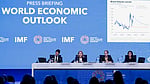
The IMF forecast global growth of 3.1 percent in 2026, up slightly from its July projection of 3.0 percent, as strong investment in AI infrastructure offsets higher oil prices caused by the war.
Its latest World Economic Outlook, released in Bangkok during the annual meetings of the IMF and World Bank, projects growth of 3.4 percent in 2027. That forecast assumes the Strait of Hormuz reopens by March and shipping conditions return to their pre-war state by October 2027.
A more prolonged conflict that kept oil prices above $130 a barrel through the first quarter of 2027 would reduce growth next year by half a percentage point, the IMF said.
AI Correction
In another downside scenario, a sharp fall in AI investment, prompted by disappointment over productivity gains or profitability, could trigger a steep decline in asset prices and cut global GDP by 1.1 percent by 2028, including a 1.8 percent drop in US output.
The IMF highlighted similar risks in its separate Global Financial Stability Report, warning policymakers against “complacency” in preparing for a potential pullback in AI investment and stock valuations.
“If there are questions about the monetization of AI, the equity investments will deplete in value, the debt may be difficult to service, and the revenue commitments in the future may not materialize,” Jason Wu, assistant director of the IMF’s Global Markets Analysis Division, told a news conference in Bangkok.
An AI market correction could spill into the wider economy, dragging down asset prices and overall demand as households and businesses respond to falling wealth, said Athanasios Vamvakidis, deputy director of the IMF’s Monetary and Capital Markets Department.
It could also weaken trade, IMF chief economist Silvana Tenreyro said. Trade in AI goods grew 29 percent between 2023 and 2025, more than three times the 8.3 percent growth in global trade over the same period. Without AI goods, overall trade growth would have been only 4.6 percent, she said.
Recession Unlikely
Even the sharp drop in output envisaged under this scenario was unlikely to push growth to levels associated with a global recession, IMF deputy research director Petya Koeva Brooks told Reuters in an interview.
The assessment that a recession could be avoided reflects the economy’s resilience so far and generally strong government policies, IMF Managing Director Kristalina Georgieva said at a separate panel discussion, where she repeated her warning against complacency.
“Don't take this resilience for granted. We have to work for it,” Georgieva said.
The IMF also highlighted cybersecurity risks linked to AI. The warnings come as banking regulators intensify efforts to address threats from advanced AI models, with major US regulators questioning banks about their use of the technology and European regulators pressing lenders to strengthen recovery plans, Reuters has reported.
Fiscal, Bond Woes
The IMF reports and participants at the meetings also highlighted risks from high public debt and bond yields, which could rise further as war-driven inflation increases borrowing costs, squeezes government budgets and weighs on growth.
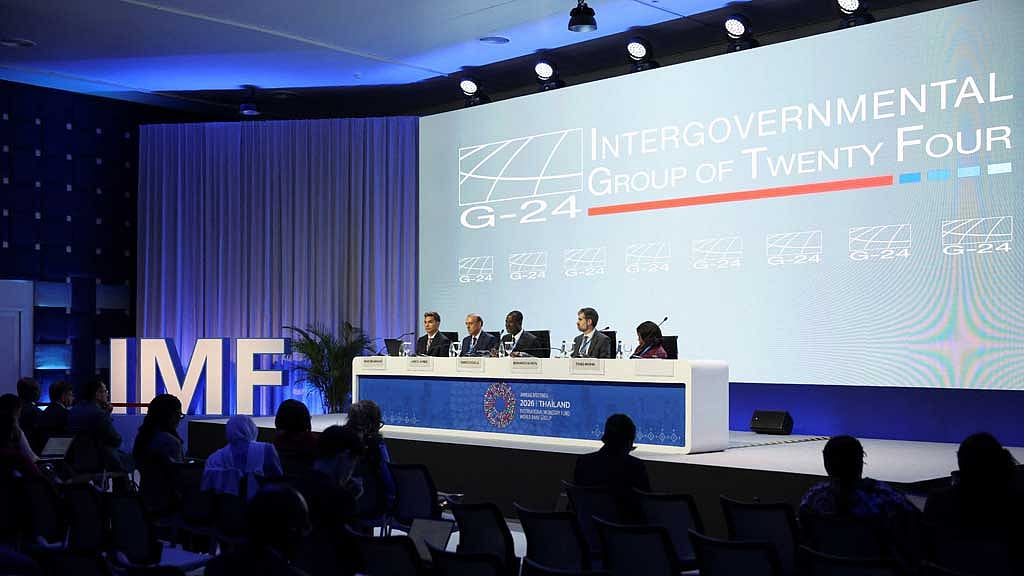
Debt vulnerabilities in many developing economies remain a “major barrier” to inclusive growth, Nigerian Finance Minister Taiwo Oyedele said. Oyedele, who chairs the Group of 24 developing nations, warned that governments were facing mounting debt burdens.
Developing countries were paying $500 billion more for their debt than developed countries, according to estimates cited by Oyedele, even as they grapple with growing deficits.
The IMF is urging governments to take politically difficult steps to bring budgets under control. It singled out Britain for praise as the only major advanced economy to have set out clear plans to reduce government borrowing over the coming years, while urging it to maintain that course ahead of the UK government’s budget plans.
Few governments are heeding the IMF’s calls to rein in borrowing, said Josh Lipsky, vice president of international economics at the Atlantic Council, who is attending the Bangkok meetings.
“France, Germany, the US all need to do fiscal consolidation, but they're moving in the opposite direction,” Lipsky said. “I'm afraid that it's going to take some kind of crisis to wake up and realize that this is what has to be done.”