


Published : 03 Jun 2022, 01:46 AM
Updated : 25 Oct 2022, 09:53 AM


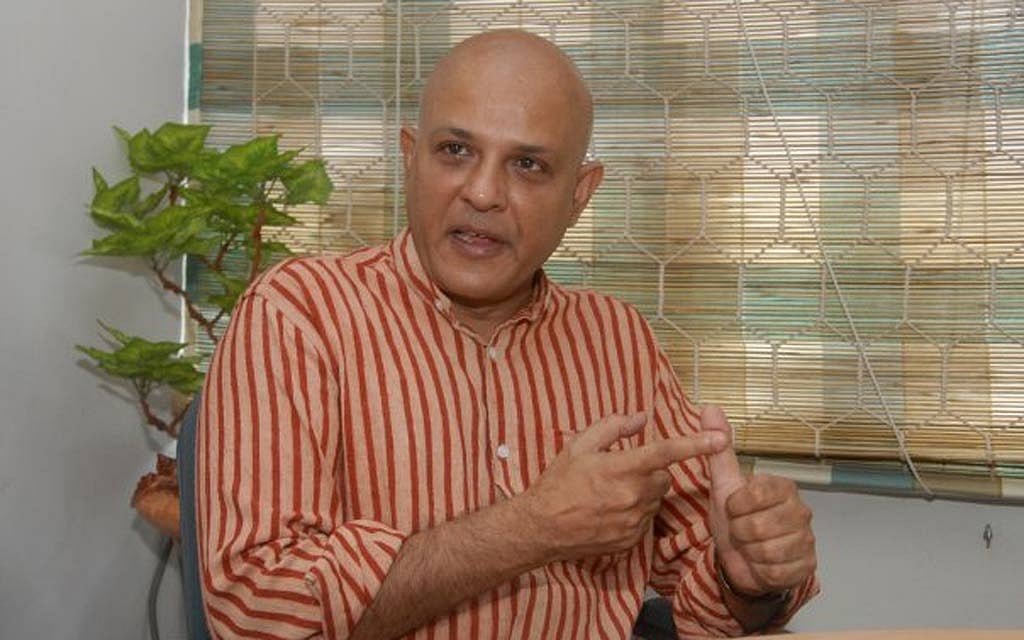
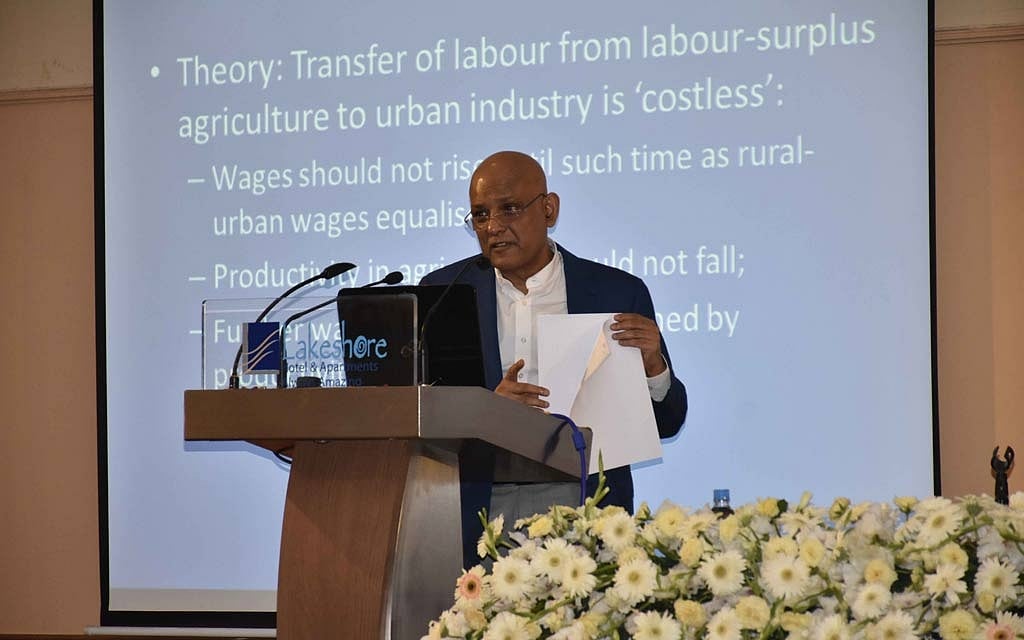
In an interview with bdnews24.com ahead of the national budget for 2022-23 fiscal year, the former director general of the Bangladesh Institute of Development Studies or BIDS said allocations for agriculture and social security should be raised to ensure food security and alleviate poverty.
He also emphasised steps to ensure easy capital for small and medium entrepreneurs, and some reforms to ensure good governance so that the possibilities of Bangladesh’s economy despite the global crisis can be reflected through the budget.
The impact of the Russia-Ukraine war is spreading all the way to Bangladesh’s economy as the country continues to recover from the coronavirus pandemic. The taka is devaluing against the dollar while prices of commodities on the international market are surging up.
“Prices of goods are rising in our country while food [security] is under pressure. We have to focus on these,” Murshid said.
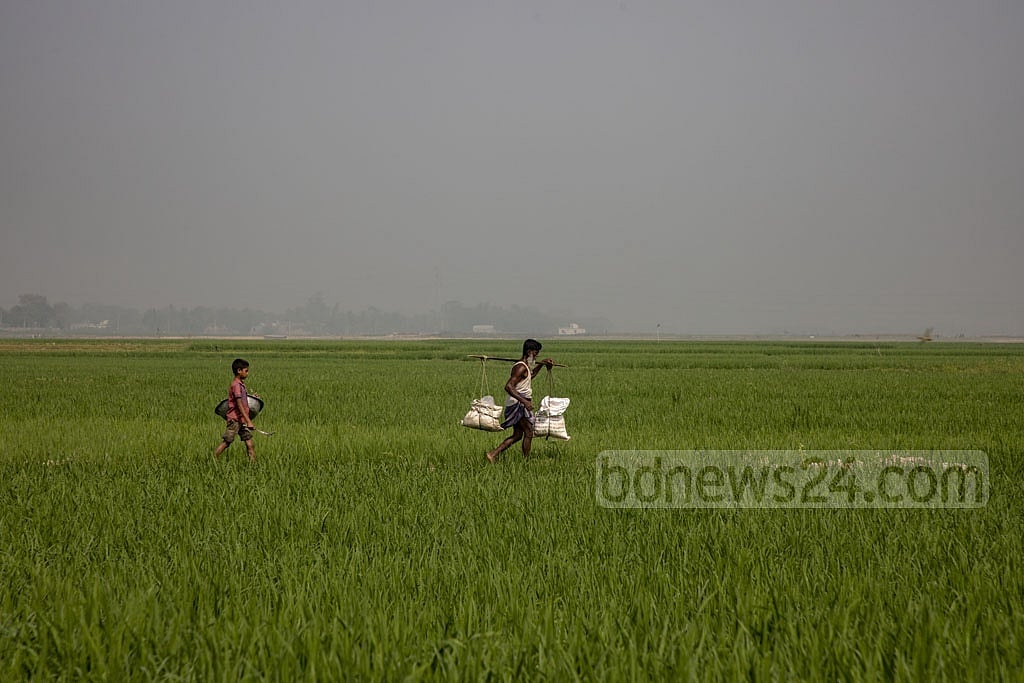
“We have to raise the priority of agriculture in the next budget. The price of rice used to stay low [after harvest] reached the market. But that’s not happening now. That means the market feels a crisis coming.”
The government allocated Tk 218.12 billion for agriculture, or 3.6 percent of the total budget, in the budget for the outgoing financial year. Murshid thinks the government should raise the allocation by a higher margin.
The prices of some varieties of rice went up by Tk 10 in the space of a month in Bangladesh with inflation rising to 6.29 percent in April - an 18-month high. Murshid suggested boosting agricultural production to keep food inflation in check.
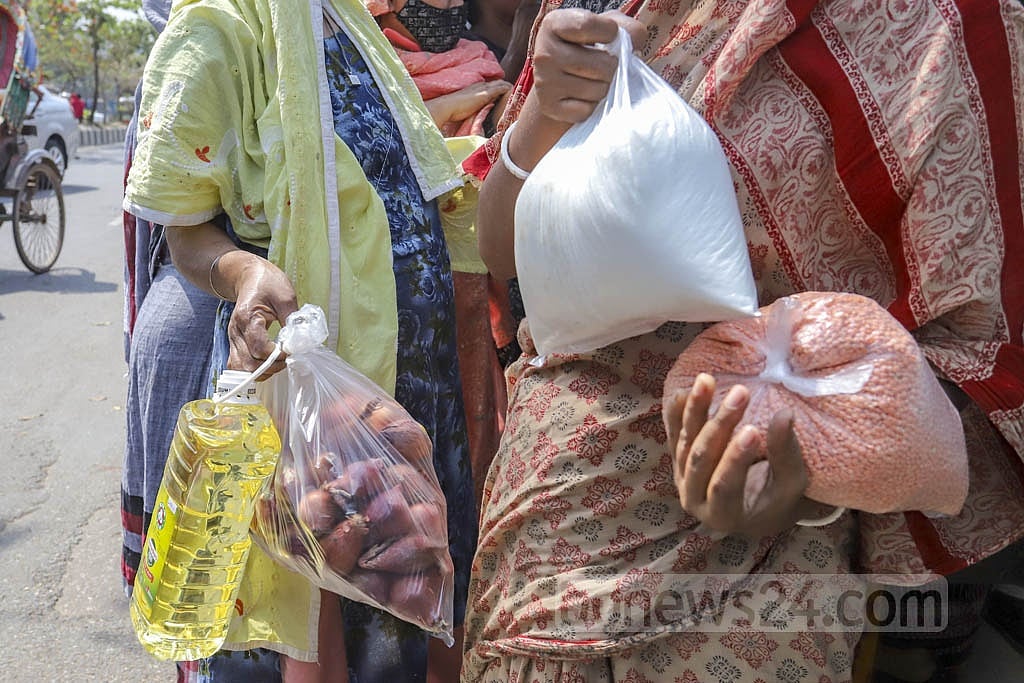
The government allocated Tk 303.17 for social security in the budget for 2021-22 fiscal year, which is 5 percent of the total budget.
Many people lost their income and slipped back under the poverty line during the pandemic. Murshid called for more focus on social security to stabilise the lives of these coronavirus crisis-affected people while building the capacity to distribute funds allocated for them.
“We have to raise efficiency for bigger returns on smaller funds in social security.”
Building a database for the poor will benefit the proper distribution of funds here, he said.
The current global economic crisis poses risks for Bangladesh, but there are possibilities too, according to Murshid. “The Ukraine-Russia war is fuelling global instability. A country like the United States is in fear of a major recession with the prices of commodities doubling. [Shops are pushing] delivery of even laptops a month or two back in the US.”
Calling Bangladesh a “victim of international circumstances”, he said, “Bangladesh still has possibilities. The West is trying to reduce reliance on China as it is not supplying goods properly. China has lifted the lockdown.”
He said it is crucial to facilitate the flow of capital to small and medium entrepreneurs in order to strengthen the economy by enhancing the distribution of funds from the budget.
“I don’t think the small and medium enterprises in our country that are trying to recover after the pandemic got the money government allocated for them. Authorities need to bring the money to them.”
Murshid also advised more attention to implementing the goal of the budget rather than increasing it to make it more effective.
“We announce huge budget but can’t achieve [the goal]. A lot of money can’t be used. We can’t support this any longer. I think it is better to come up with a reasonable budget that can be realised instead of announcing one to show off.”
The former BIDS researcher stressed the importance of strengthening governance as key to effective budget expenditure.
“There are some governance issues that we have been discussing for a long time. Those haven’t changed at all. We are lucky to have developed so far over the past 50 years without any reforms to governance. But we can no longer move forward in the present state without reforms.”
“We have to reform the National Board of Revenue and the central bank and let them do their work. We’ve made several risky errors in policy and need to fix them.”
“Some of our policies on exchange rates and interest rates were reversed. We said we’ll liberalise them. We did to an extent but not in its entirety. We stepped out before completing them.”













