


Published : 05 Feb 2014, 03:39 PM
Updated : 19 Oct 2022, 07:22 PM


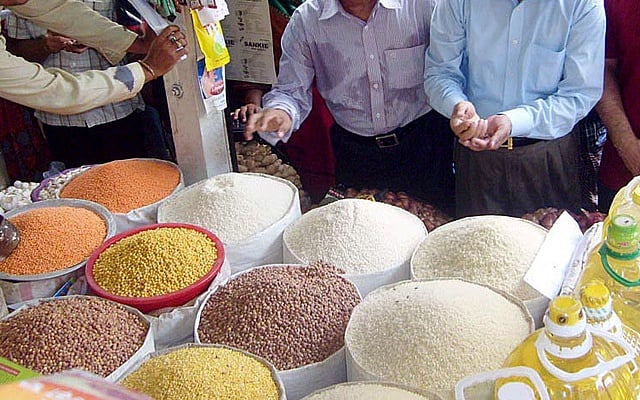

Bangladesh Bureau of Statistics (BBS) says this is because political stability seems to be back after the Jan 5 national polls and violence has stopped, facilitating movement of transport.
From 9 percent in December, food inflation came down marginally to 8.81 percent in January.
The overall inflation increased to 7.5 percent in January from 7.35 percent in December.
Non-food inflation posted a hefty rise, up at 5.53 percent from 4.88 percent in the previous month.
BBS revealed the latest figures at a media briefing on Wednesday.
"There’s no political instability in the country now. Transport is operating smoothly. The food commodity stockpiled during the instability is in the market now. Price has come down due to the increased supply," said BBS Director General Golam Mostafa Kamal.
He, however, blamed the recent instability for the rise in non-food inflation.
“Commodity imports have been hampered for quite some time due to recent strikes and blockades. Offloading at the port has suffered and the effect is felt until now,” said the BBS chief.
According to the BBS, the average inflation in the last one year (Feb, 2013-Jan 2014) stands at 7.6 percent.
The current 2013-14 fiscal's budget aims to contain average inflation at 7.5 percent.
The country had witnessed waves of blockades and strikes called by the BNP-led alliance in the last quarter of 2013.
More than a hundred people had died in violence across the country during the agitation, in which public transport carrying passengers and goods were targeted systematically.
Now the situation is normal as the Opposition has called off the agitation after the Jan 5 polls.







