November 21, 2026

Banks’ CRR raised

Bangladesh Bank has increased the Cash Reserve Requirement (CRR) for commercial banks to 6.5 percent from 6 percent, a move that analysts say is aimed at containing inflation.

Chief Economics Correspondent

bdnews24.com

Published : 23 Jun 2014, 07:43 PM

Updated : 08 Aug 2022, 06:54 PM

The increase will take effect from Tuesday (Jun 24), said a central bank circular issued on Monday.

The CRR is the minimum amount of the total customer deposits that commercial banks have to keep as reserves, either in cash or as deposits, with the central bank.

Increasing the CRR essentially translates to withdrawal of liquidity from the economy, usually a measure against inflation.

Zaid Bakht, the head of research at the Bangladesh Institute of Development Studies, sharply criticised the move.

“This will not slow down inflation, rather it will discourage private investment,” he said. “I don’t know why the central bank took this measure.”

“Already private sector investment is stagnant. The finance minister has admitted it several times. On top of that, raising the CRR will transfer a lot of money to the central bank,” he added.

“Investment in private sector will go down. The banks will have to push up their interest rates. Overall investment will be hit badly,” the economist said.

On the other hand, former central bank chief Salehuddin Ahmed said the move intended to curb inflation.

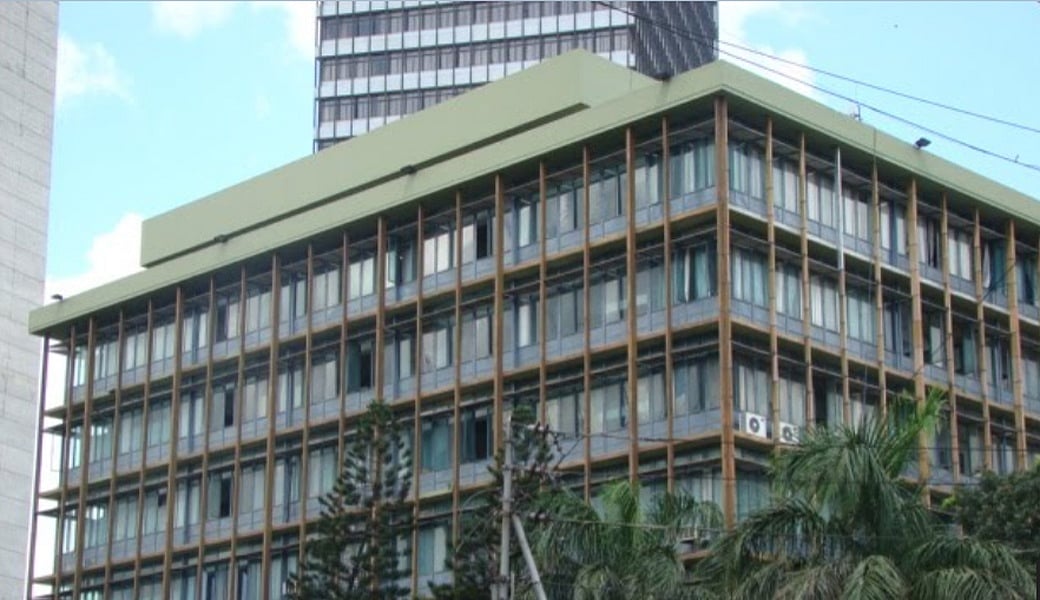
Image
File Photo

File Photo

“The liquidity is very high now. Maybe that’s why the Bangladesh Bank has raised the CRR, which will check the money supply in the market and hence, will help contain inflation,” he told bdnews24.com on Monday. Bangladesh Bank also said curbing inflation was one of the reasons behind the decision. “This move will also help us keep up with our reserve money targets, which will help bring non-food inflation down further,” said the central bank’s Chief Economist Hasan Zaman. “Recently the Ministry of Finance decided to temporarily suspend Treasury auctions and as a result, banks have rushed to the central bank to park their excess liquidity through our interest bearing reverse repo facility,” he continued. “This has sharply increased the cost of this facility to the central bank...By raising the CRR we save a portion of these costs.” Economist Zaid Bakht believes the decision is in conflict with the government’s policy of raising investment. “The government is taking many steps to increase investment. The upcoming budget also offers many facilities for investors. But the central bank is pulling in the opposite direction,” he said. He remarked that the step would not slow down inflation. “Inflation is accelerating because of increased remittance flow and export earnings. These two things have injected liquidity into the market, which has pushed the prices up,” he said.
Image
File Photo

File Photo

According to Hasan Zaman, however, the latest move will not hurt investment. “Also private sector credit growth figures show that there is sufficient space for banks to lend to their customers if they wish to, so raising the CRR will not affect investment,” he told bdnews24.com. According to BB’s latest data, the current amount of excess liquidity stands at Tk 1.35 trillion. The point-to-point inflation rate in April stood at 7.46 percent and average inflation at 7.47 percent. The current budget intends to keep average inflation within 7 percent, while the proposed budget for the next fiscal aims to keep it under 7 percent.
Related Stories