


Published : 23 Feb 2022, 11:47 PM
Updated : 03 Aug 2022, 11:33 AM


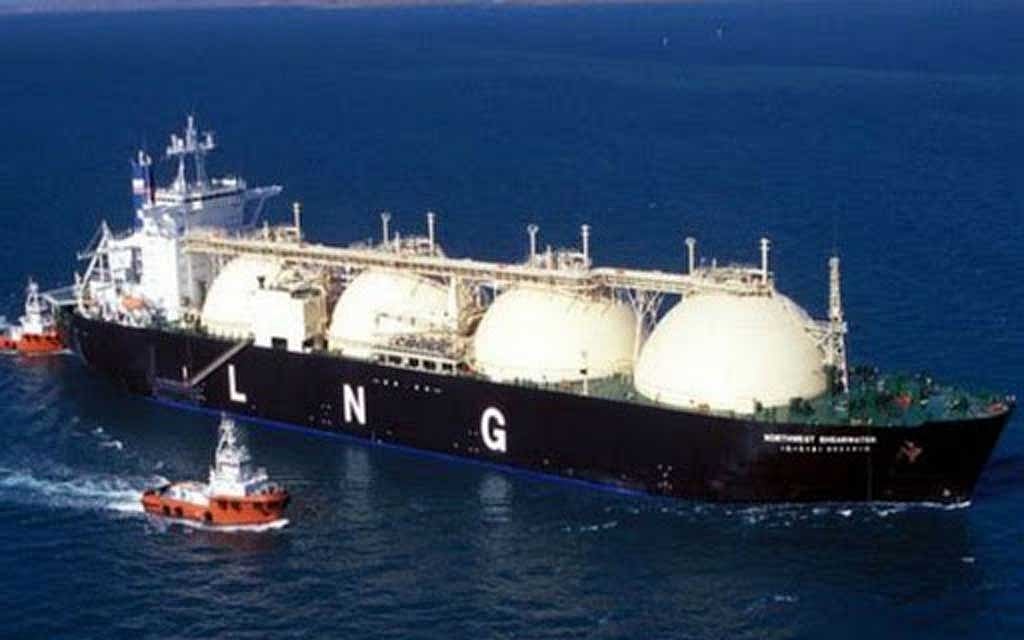
The Cabinet Committee on Government Purchase approved the procurement of 3.36 million metric million British thermal units (mmBtu) of LNG from Singapore’s Vitol Asia on Wednesday.
The price for the cargo has been set at $29.7 per unit, up from $7.21, the rate at which Bangladesh bought LNG from the same company in March 2021.
Natural gas prices around the world soared late last year due to a combination of tightening supplies, weaker renewable power generation and a strong growth after COVID-19.
LNG prices lurched from record lows under $2 per mmBtu in 2020 to record highs of $56 in October 2021.
The government had at that time decided to stop buying LNG from the spot market due to the high prices. The decision led to a fall of up to 130 million cubic feet of gas daily from Sept 15, forcing the government to ask the power stations to use diesel and furnace oil. Finally, the power, energy and mineral resources ministry asked for Prime Minister Sheikh Hasina’s permission to buy three cargoes.
Benchmark prices stood at about $25 per mmBtu on Monday. Germany on Tuesday halted a key gas pipeline project, designed to double the flow of Russian gas direct to Germany, in response to Russia’s threat to invade Ukraine. The move sent gas prices higher on Tuesday.
Many countries around the world are facing an energy crisis with a 500 percent surge in prices of liquefied natural gas within a year. That has piled pressure on Bangladesh, one of the biggest LNG importers in South Asia.
Record gas prices are hitting countries such as Bangladesh hard as they typically import bigger volumes of spot cargoes than other nations in Asia, leaving them exposed to price volatility.
Some of the world's biggest importers of LNG are reducing orders in the face of the price hike, raising concerns among major producers about potential long-term destruction of demand.
[With details from Reuters]













