


Published : 16 May 2020, 03:56 PM
Updated : 08 Apr 2022, 02:31 AM


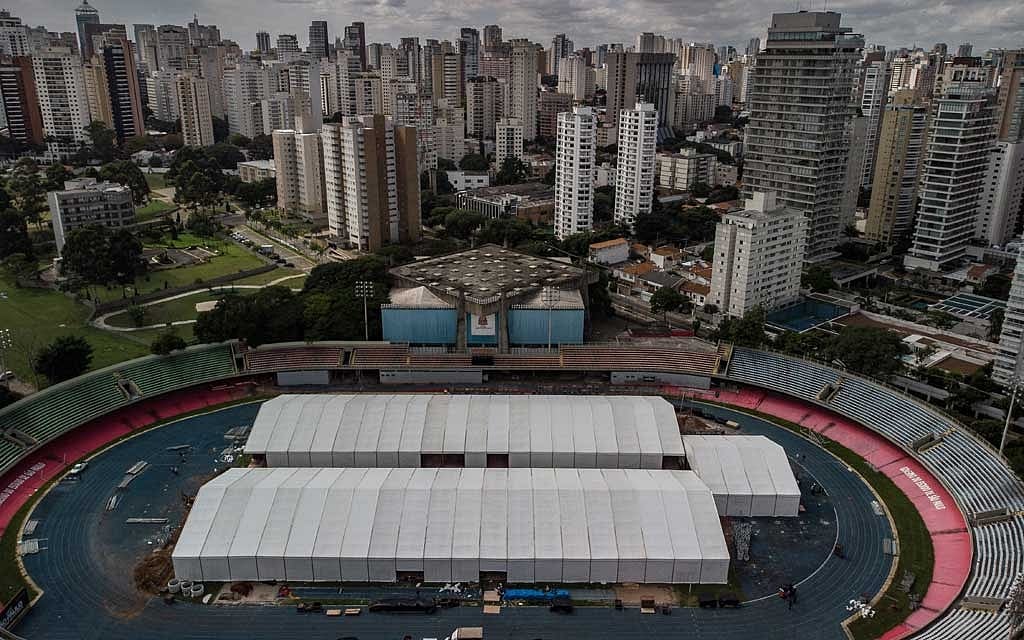
It is in the world’s sports stadiums, though, where we most clearly see the scale of the change. They are no longer for sports. They are no longer spaces designed to allow people to gather, for fans to share in collective, communal experiences. They are no longer for us.
Instead, many are sealed off, blockaded, accessible only to those with the proper authorisation or the most pressing need. They have become makeshift hospital wards and intensive care units, homes for the spillover from our overwhelmed health care systems.
Their parking lots are coronavirus testing centres, where cars idle in line outside, their occupants not filled with restless anticipation for what is to come but with worry and fear and dread. They are medical storage facilities. They are home to blood drives. They have always been places that, deep down, celebrate life: the physical wonder of the human body, the emotional marvel of the human brain. Now they have been given over, across the world, to the fight against death.
It is in these stadiums, these soccer fields and ballparks and basketball courts, that we see the old world — the one in which sports could exist, in which we could be together — juxtaposed, most starkly, against the new. The buildings and the architecture are the same; what they are for, what they mean, could not be more different.
It feels, from one angle, like looking at one world built in and on the ruins of another. Something about the imagery is so incongruous as to seem alien, as if these tents and beds are unwelcome guests, colonisers of our most precious places.
But then, eight weeks into this world that has lasted a lifetime, you pause and you wonder: Which is the part that feels alien? Is it the new, the same clinical white that fills our television screens and occupies our nightmares? Or is it the old, with those seats crammed so close together, temples to sports that cannot be played, monuments to a world that, from this perspective, does not exist?
c.2020 The New York Times Company







