Published : 29 Mar 2022, 12:59 PM
Updated : 03 Aug 2022, 11:40 AM


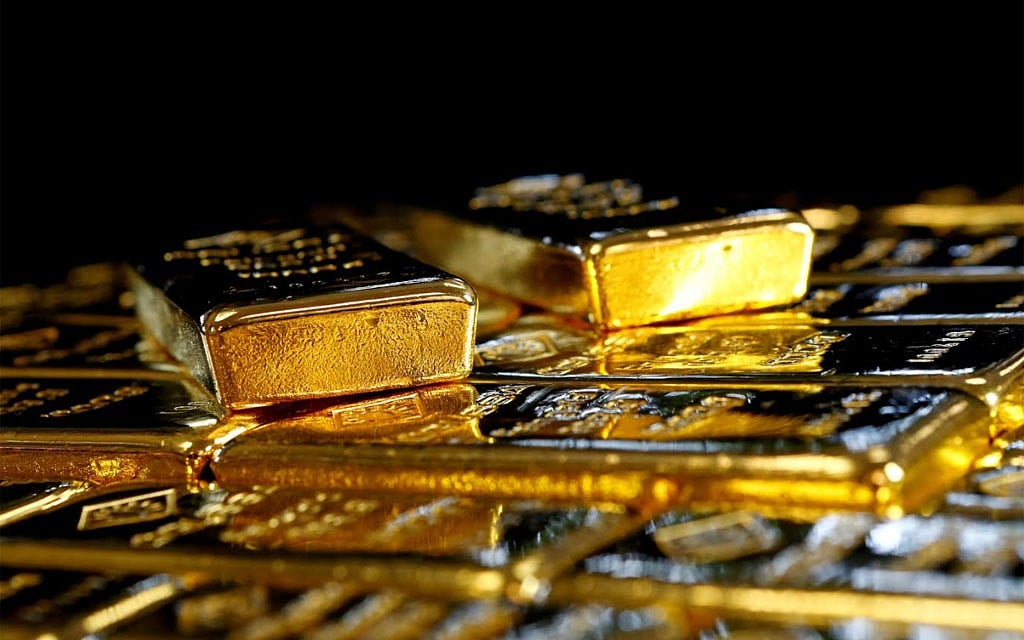
Putin has been shoring up his defences against economic restrictions for years. Russia’s gold holdings have tripled since it annexed Crimea in 2014, triggering US sanctions. A senior White House official last week estimated bullion makes up about 20% of the country’s central bank’s overall reserves.
To make use of the hoard, Russia would likely have to physically move gold beyond its borders. That’s why the United States and its allies last week moved to close that loophole. The Treasury Department said any transactions involving gold held by the Russian central bank is subject to existing sanctions, which means anyone who helps convert the precious metal into US dollars could face penalties.
Despite those risks, some supportive or opportunistic countries may be willing to help Putin. Venezuela, for example, may have relied on Russia after the United States stepped up sanctions on the South American country in 2017. Opposition representative Julio Borges said last year that Russian-chartered planes picked up gold from Venezuela to be refined in Mali and then resold in the United Arab Emirates for dollars and euros.
Russia could also turn to nefarious actors. In 2020, the US State Department said it was following a visit to Venezuela by the private jet of Libyan militia leader Khalifa Haftar, who was suspected of trading gold for dollars.
The usually complex schemes can take years to prosecute. US courts are still examining some aspects of an alleged plot that started in 2010 and involved several Turkish entities that helped Iran evade sanctions, including turning gold into cash. The plan involved money servicers, front companies, fake humanitarian food shipments and businesses located in the United Kingdom, Switzerland and Hong Kong.
The Russian rouble has fallen by more than 20% against the dollar this year, while the country is becoming economically isolated from the West. Illiquid gold could be one of Putin’s few remaining economic silver linings.
The US Treasury Department on March 24 issued guidance that states any transaction involving gold related to the Russian central bank is covered by its existing sanctions.
A senior White House official said Russia has up to $140 billion in gold, making up about 20% of the country’s central bank reserves before its invasion of Ukraine on Feb 24.