Published : 25 Aug 2013, 04:07 PM
Updated : 09 Aug 2022, 11:03 AM


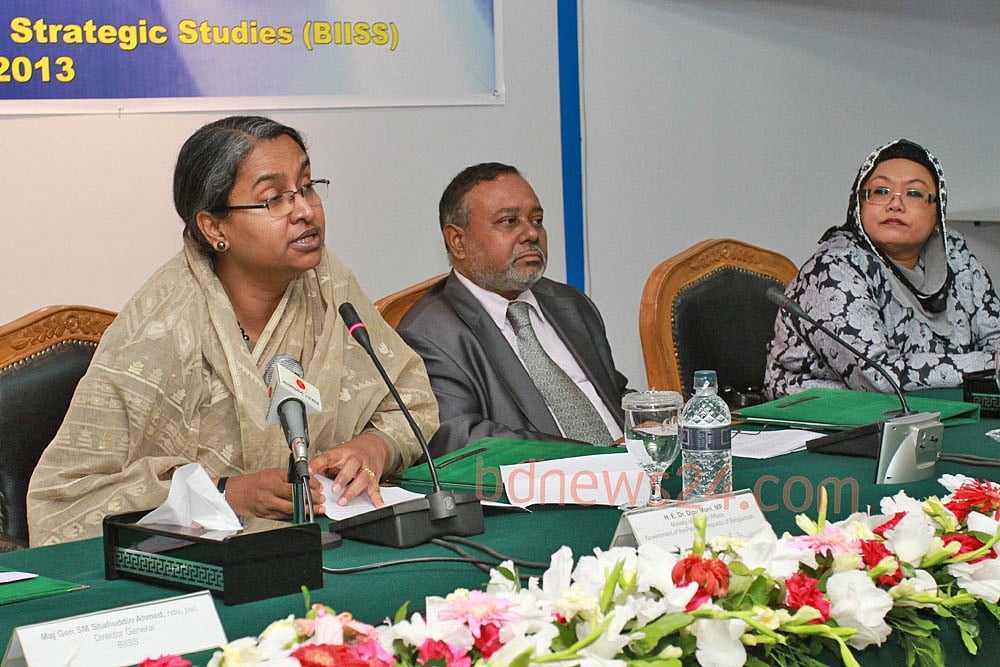
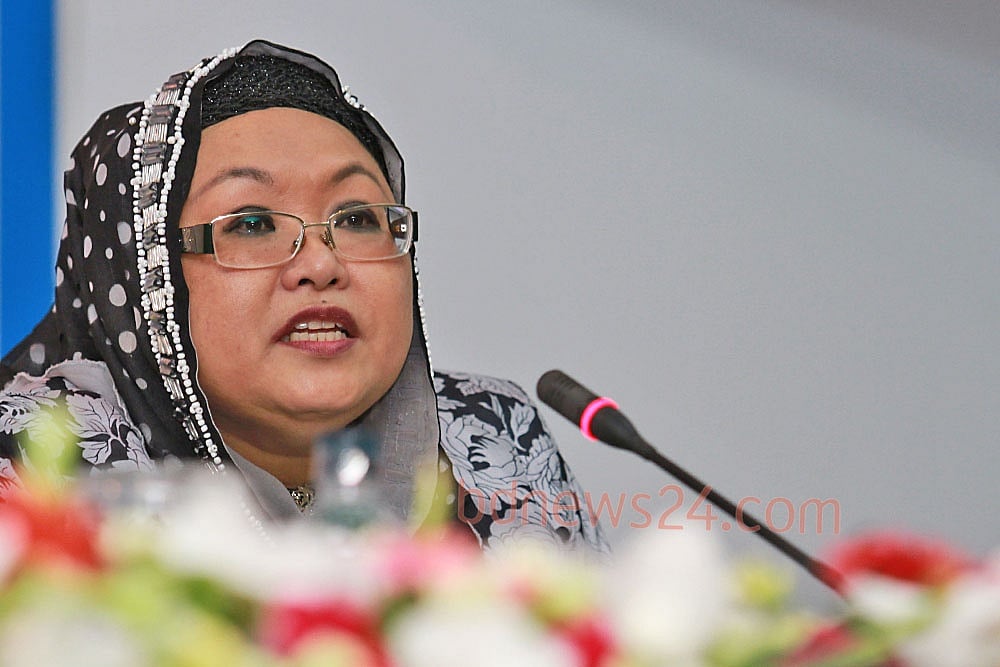
The Malaysian High Commissioner in Dhaka, Norlin Binti Othman, said on Sunday she found it difficult to convince investors back home to come to Bangladesh because of negative perceptions about the country.
"I’ve personally given up asking my friends to come to and visit Bangladesh because they keep asking about mosquitos, water-borne diseases, traffic jam, electricity supply, and natural disasters,” she said.
“In case of businessmen, it is the same thing,” the envoy said in a lecture on ‘Malaysia’ at the Bangladesh Institute of International and Strategic Studies (BIISS) in Dhaka.
The envoy spoke on the first day of the BIISS’s series of lectures aiming at understanding countries with which Bangladesh has ‘significant bilateral relations’.
The programme was inaugurated by Bangladesh Foreign Minister Dipu Moni.
Bangladesh is Malaysia’s third largest trading partner in South Asia after India and Pakistan.
The Malaysian investment in various sectors in this country including telecom, textiles and the financial sector was nearly $ 2 billion. But Malaysia, which aims to be a developed nation by 2020, dominates in the two-way trade. It is one Bangladesh’s major manpower destinations.
During her lecture the envoy touched almost every aspects of their foreign policy, which, she said, changed focus during the last 50 years of independence but interest remained the same.
“It’s (the Malaysian foreign policy) open and an extension of the domestic policy,” she said, stressing that the country successfully managed its ‘multi-racial and multi-cultural’ identity.
She said Malaysia wanted to forge strong regional and international cooperation in combating terrorism. “But we are strongly against profiling someone based on religion,” she said.
“As a trading nation, we are very focused on international peace.”
She said Malaysia could speak up on different issues that other developing countries could not because of its considerably less aid-dependency.
The envoy said they were on track to reach their vision 2020 target, when per capita income would rise to $ 16,000 from the current $ 12,000, thanks to ‘political stability and continuity’ of their development work.