Published : 21 Oct 2026, 02:01 PM
Updated : 21 Oct 2026, 02:07 PM


In order to protect public health, ensure food safety and establish discipline in the food business, the Bangladesh Food Safety Authority has made it mandatory to obtain registration and licensing for certain categories of food businesses and food products in the country.
A media statement from the agency on Wednesday said the new regulations, titled “Safe Food (Registration and Licensing) Regulations, 2026”, were published in the official gazette on Jul 16.
Accordingly, the Food Safety Authority has urged all food traders and establishments relevant to apply for the necessary registration and licensing from Nov 1.
The Food Safety Act, 2013 and the Food Safety (Registration and Licensing) Regulations, 2026, say business licences, premises licences, licences for production and imported products and registration of licensed products for the four specified categories of food businesses are now mandatory.
At the same time, there is a provision for obtaining registration for 16 specified categories of food businesses and food establishments.
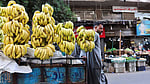
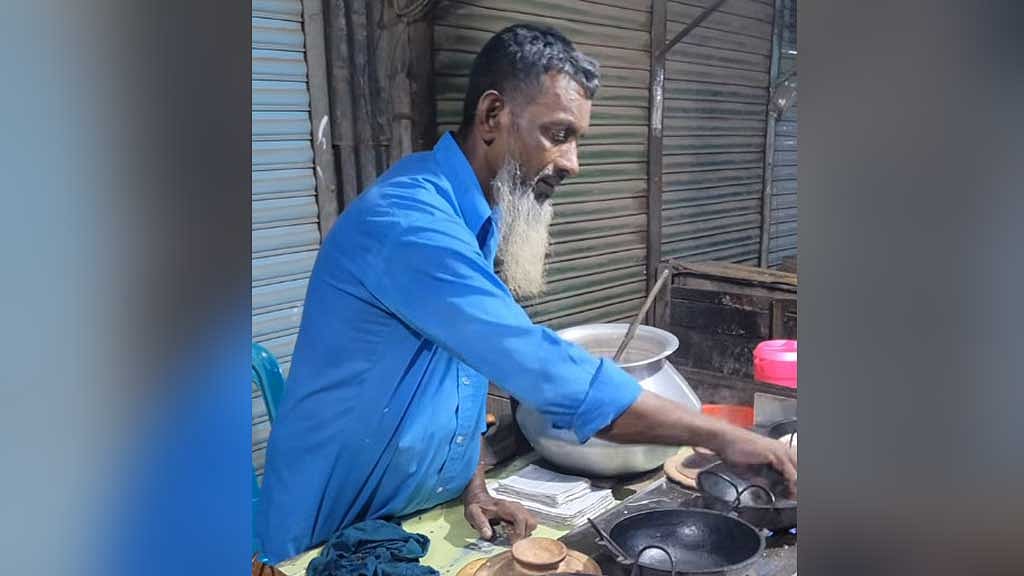
From roadside mobile or temporary food stalls, small restaurants to importers and large-scale food processing establishments, all individuals and organisations involved in the food business will now have to register with the Bangladesh Food Safety Authority.
The regulations have divided food businesses into two main categories. Registration alone will be sufficient for the 16 existing types of food businesses. However, those dealing with special or super food products will have to obtain a licence.
Restaurants, bakeries, fruit juice shops, pastry shops and catering service providers will have to register with the Food Safety Authority. Packaged or packaged food manufacturers, sweet shops, dairy product manufacturers and importers (except for raw and fresh food) will also have to register.
Even those who sell food products like Pitha, Puri and onion on the side of the road will also have to register under this new rule.
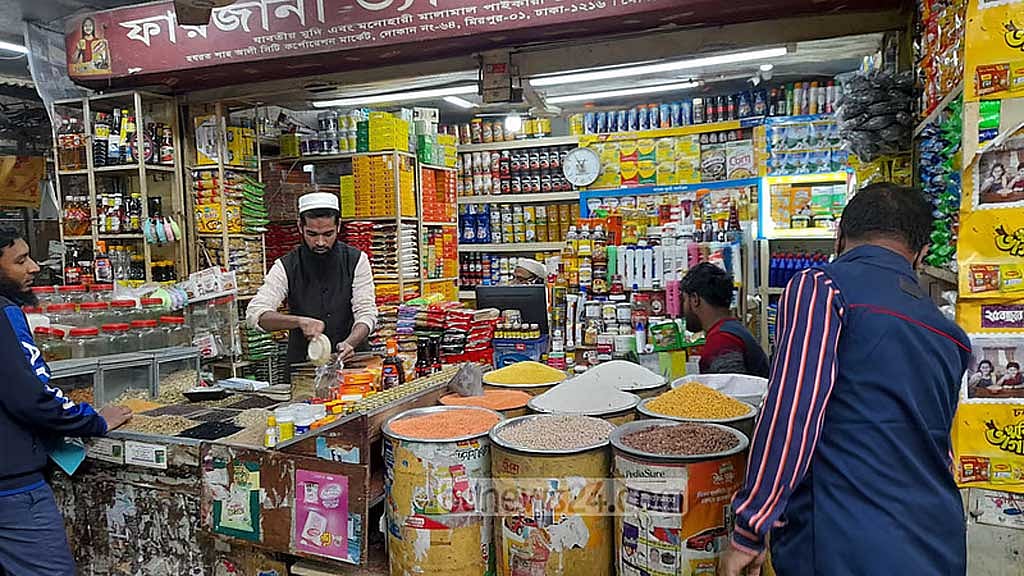
Registration has also been made mandatory for specific businesses related to the production, processing, storage, import, export and marketing of wholesale grocery food, raw and fresh food imports, food preservation and cold storage, edible oil and edible salt production, special food, nutrient-rich food, health-oriented and supplementary food, special diets, special medical diets, probiotic and prebiotic food, organic food, irradiated food, genetically modified food, novel food, functional food, multi-stage processed food and food additives.
On the other hand, four types of individuals or institutions that deal with specialised food products, such as infant formula milk and special foods prepared for the elderly or people with certain diseases, will be brought under compulsory licensing through this regulation.
This includes the production, processing, storage, import and marketing of health-oriented and supplementary foods, special dietary food and special dietary food for medical purposes, probiotic and prebiotic foods and nutraceuticals and similar foods.
In the case of genetically modified or modified foods, organic foods, irradiated foods, naturally modified foods, novel foods, functional foods, nutrient-rich foods and foods with health claims or claims related to reducing the risk of disease as per the Safe Food (Advertisement and Claims) Regulations, 2025, the necessary licences and registrations will also have to be obtained in accordance with the relevant provisions.
The Food Safety Authority said applications will have to be made by paying the fee prescribed in Schedule-10 of the Safe Food (Registration and License) Regulations, 2026, subject to fulfilling the conditions mentioned in the relevant regulations.
In case of compulsory licences, the application must be submitted as per Forms 6.1, 7.1, 8.1 and 9.1 and in case of registration, the application must be submitted as per Form 5.1.
The Food Safety Authority says that operating a food business without registration or licence in breach of regulations is a punishable offense as per the relevant provisions of the Safe Food Act, 2013.
For this reason, concerned food traders and institutions have been specifically requested to complete the necessary preparations for obtaining the necessary licences and registrations by the stipulated time.
The registration and licence will be valid for three years and will have to be renewed after that.
According to the rules, the first registration of the existing 16 categories of food businesses has been made free of cost. The premises licence fee of the superfood manufacturing institution will be determined based on the floor size. This fee is Tk 10,000 for an institution of 100 square meters or less and Tk 60,000 for an institution larger than 10,000 square meters.
The BFSA registration number must be mentioned on the package of each food product. Through this, consumers will know whether the organization is registered or not by and can make any complaint by noting the registration number.
Initially, applications for licences and registrations can be made from the Food Safety Authority at the concerned district office. However, the authority has taken on a step-by-step process of accepting 100 percent of applications online.