


Published : 28 Apr 2022, 03:14 AM
Updated : 25 Oct 2022, 09:51 AM


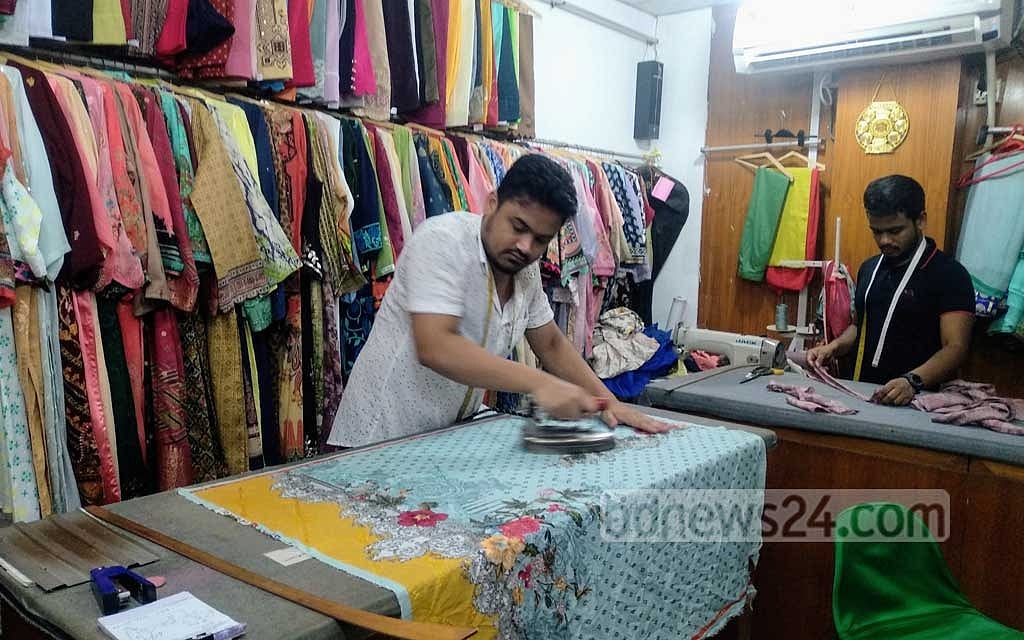
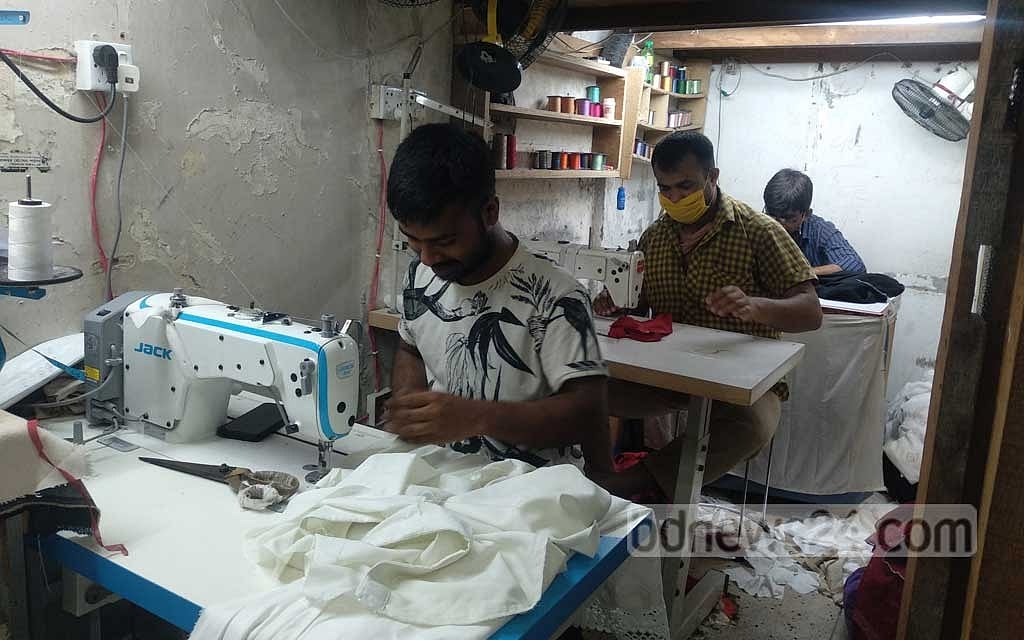
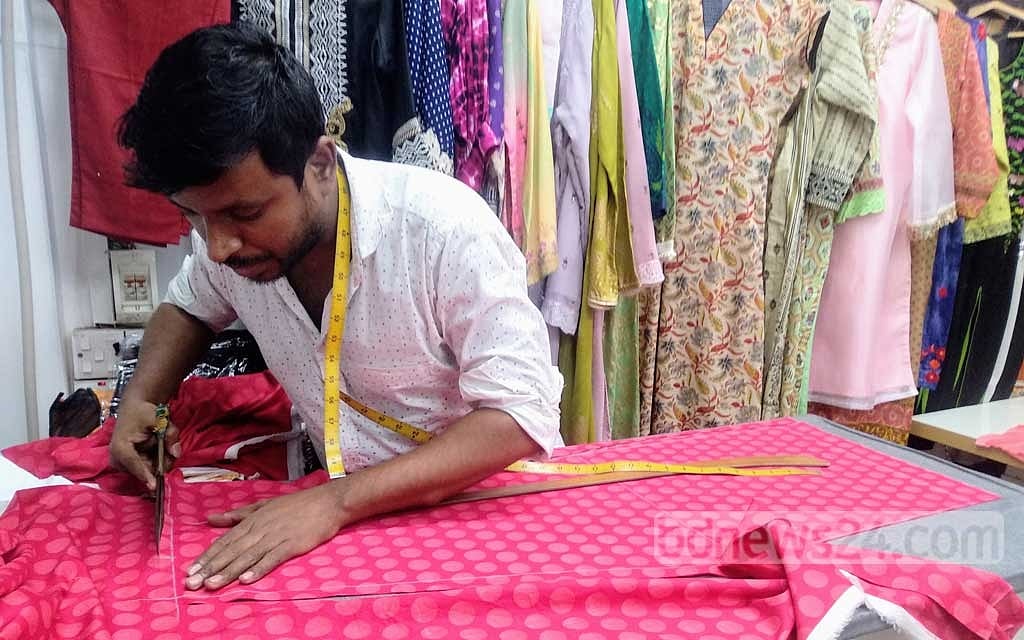
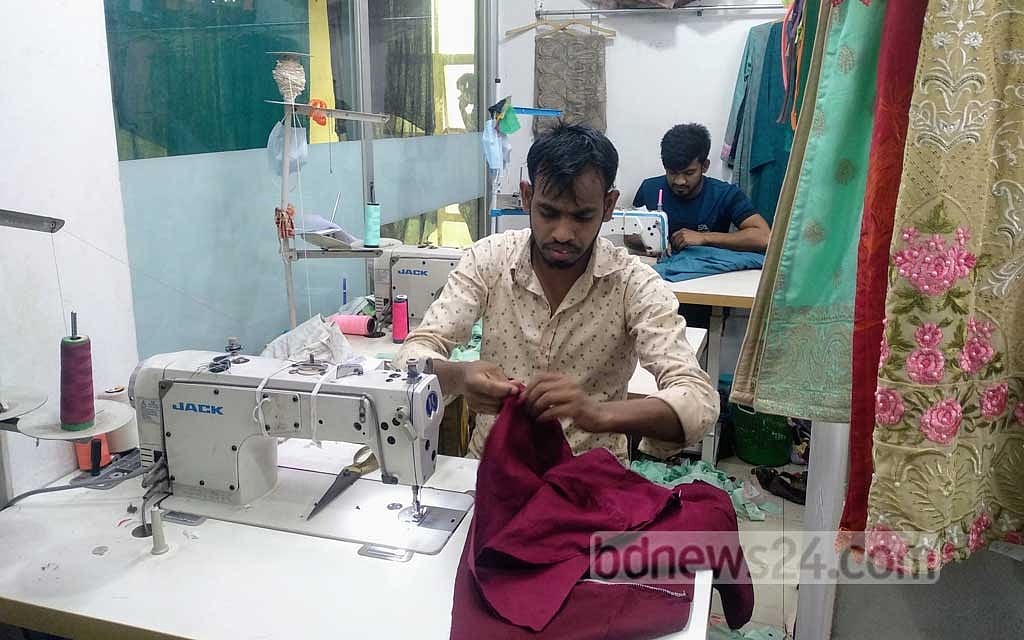
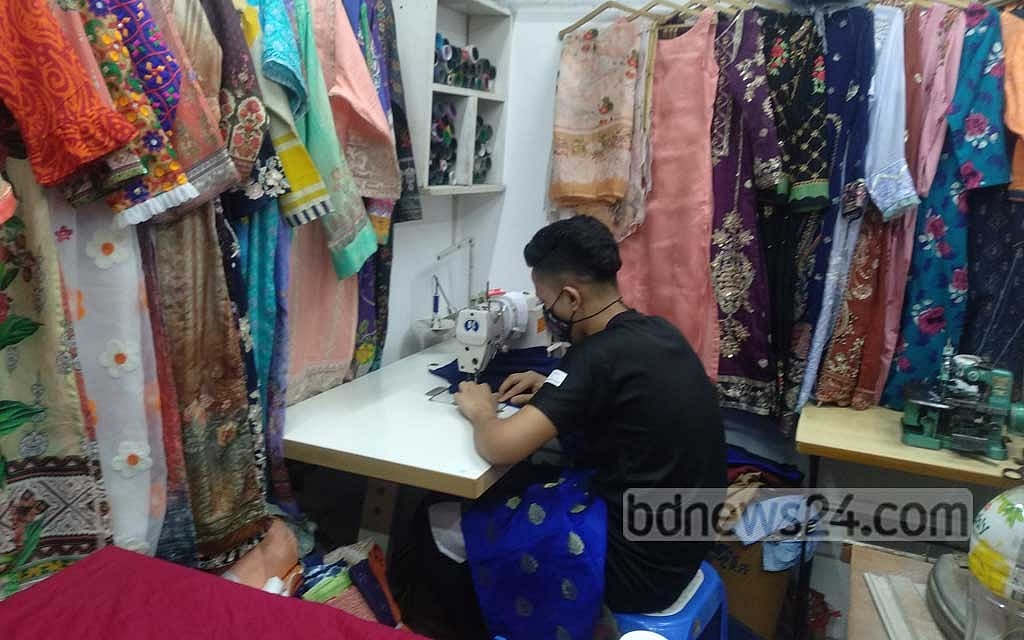
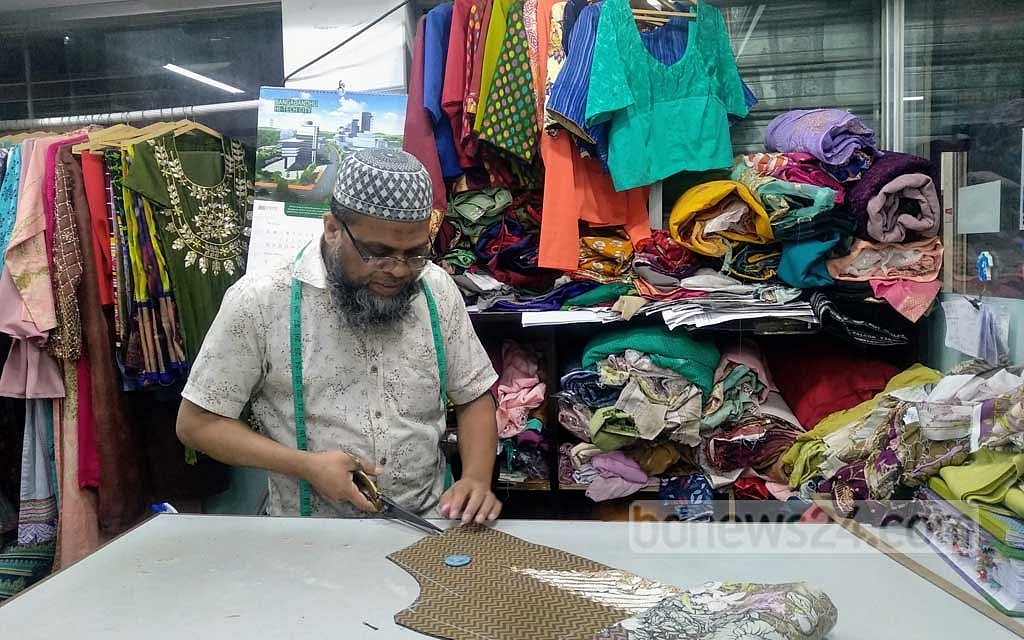
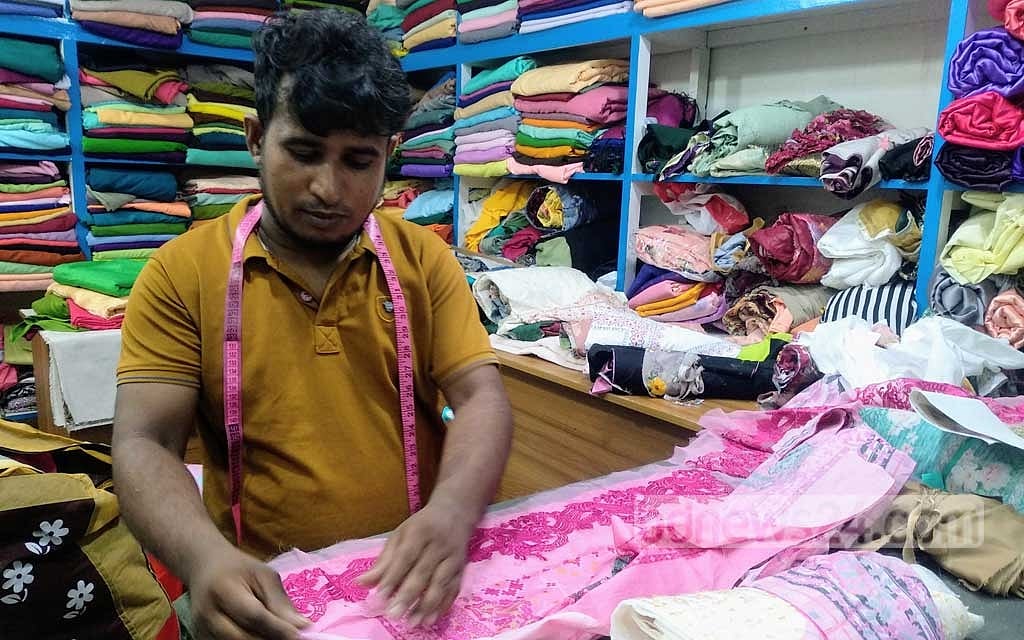
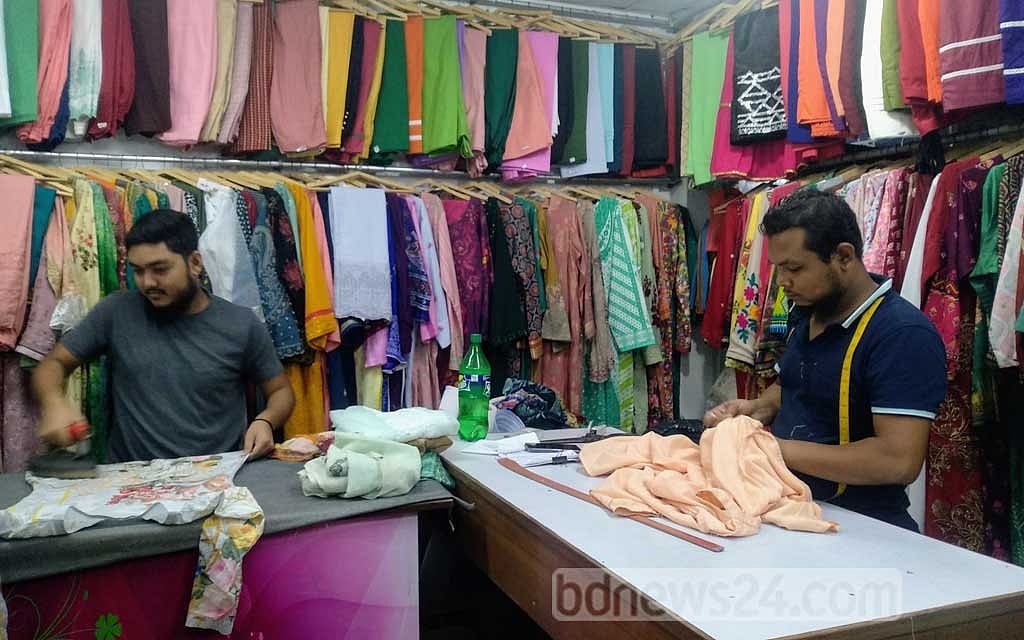
Although there is no official data on how many people were working in the small tailoring businesses, owners say many craftsmen have switched careers while youths are not interested in tailoring or sewing.
Due to a high demand before Eid, shops have been forced to refuse orders and many customers are returning home empty-handed.
“Some shops don't usually take orders after the 10th of Ramadan. I still gave it a shot. One shop said the quality of craftsmanship will not be very good amid the Eid rush. It advised me to place the order after Eid.”
Jerin Jannat bought an outfit from New Market. A few shops declined to take her order but she eventually managed to find one shop to do the job for her.
"They told me that I’ve have to pay twice as much. Later, I bargained and managed to bring the price down a little bit.”
Cutting masters and sewers are busy in shops across Dhaka. Many tailors stopped taking orders at the beginning of Ramadan.
Abdul Hamid, owner of a shop in Elephant Road, said that despite receiving many orders this year, they are in dire straits due to a crunch of craftsmen.
Many have moved on to other professions and some have left the country for Dubai and Saudi Arabia as there is a high demand for craftsmen there, he said.
“This time we’ve taken about Tk 200,000 worth of orders which is one third of the money we made in 2019."
But now cutting masters sew the clothes themselves whenever there are extra orders as there is a shortage of sewers, Faisal claimed.
“A master has to be paid twice the amount than a sewer. So, I’m counting losses. It would not have been the case if there were no shortage of workers.”
"There is a shortage of new people in this profession because of this reason. The old ones leave the country when they get a good opportunity. Many craftsmen all over the country have gone abroad after the pandemic had set in."
A lot of tailors are still buckling under the burden of loans they took during the pandemic.
Md Selim, owner of Robi Fashion Tailors at Rongdhonu Shopping Complex in Mirpur, said he is on the path to recovery after taking loans in the past two years.
Khokon Mia, owner of a shop at Banani Super Market, said he had never seen “such a crisis” of craftsmen in his 18 years in the business.
"I’ve been unable to find workers, especially those who sew. There used to be a time when many would offer their services during the Eid season in the hopes of making some quick money. Now, I cannot find anyone.”










