


Published : 21 Jan 2020, 12:16 PM
Updated : 17 Oct 2022, 11:00 AM


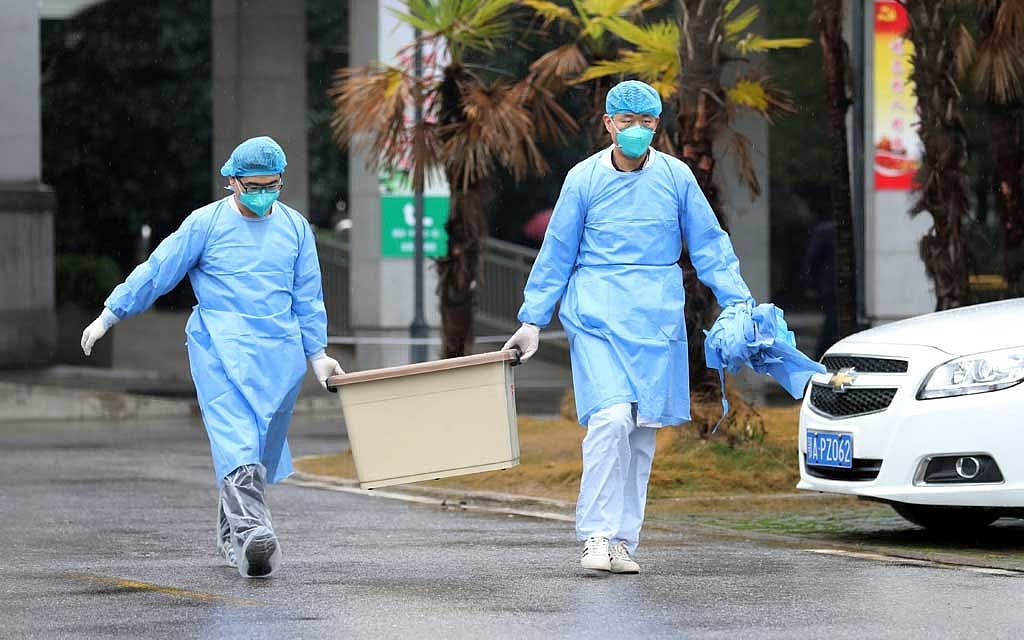

Health authorities around the world stepped up screening and the World Health Organisation called an meeting on Wednesday to consider declaring an international health emergency, as China confirmed the virus spread through human contact.
Asian shares fell as investors likened the outbreak to the 2002/2003 spread of Severe Acute Respiratory Syndrome (SARS), another coronavirus which broke out in China and killed nearly 800 people in a global pandemic.
China's yuan was down nearly half a percent and on track for its worst day in a month, while airline and travel stocks fell across the region.
"Because of Chinese New Year, millions of people will make a move to their hometown across China which is making the whole situation uncontrollable," said Margaret Yang, an analyst at brokerage CMC Markets in Singapore, referring to the Chinese holiday period which formally begins on Friday.
"The selloff is just the beginning, we will see more in days to come."
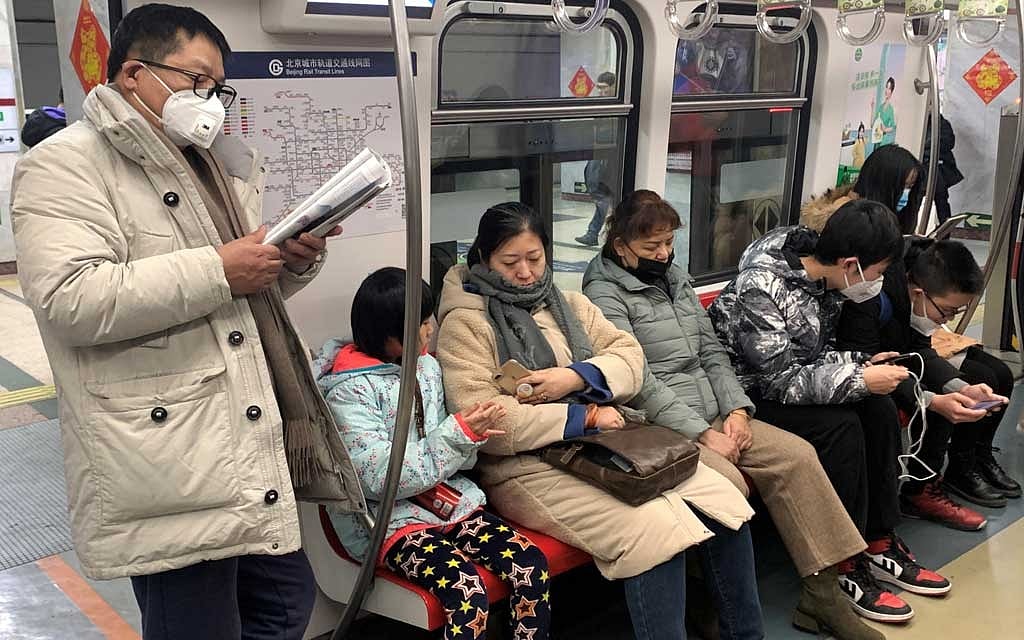
A man wearing a mask reads on the subway in Beijing, China Jan 21, 2020. REUTERS
A fourth person died on Jan 19, the Wuhan Municipal Health Commission said on Tuesday. The 89-year-old man, who had underlying health issues including coronary heart disease, developed symptoms on Jan 13 and was admitted to hospital five days later, it added.
Chinese authorities on Monday confirmed for the first time that the virus could spread through human contact and said 15 medical staff had been infected.
They are still investigating the origin of the virus, however the WHO says the primary source is most likely animal and Chinese officials have linked the outbreak to a seafood market in Wuhan.
"The outbreak of a SARS-like coronavirus in Wuhan is developing into a major potential economic risk to the Asia-Pacific region now that there is medical evidence of human-to-human transmission," said Rajiv Biswas, Asia Pacific Chief Economist for IHS Markit, in an email statement.
A man pays for masks at a pharmacy in Beijing, China Jan 21, 2020. REUTERS
Zhong Nanshan, head of the National Health Commission's team of experts investigating the outbreak, said in footage shown by state television on Monday there was no danger of a repeat of the SARS epidemic so long as precautions were taken.
The outbreak was still in its early stages and China had good surveillance and quarantine systems to help control it, he added.
CONTAINMENT EFFORTS
Australia on Tuesday said it would screen passengers on flights from Wuhan, while Singapore announced it would quarantine individuals with pneumonia and a history of travel to Wuhan within 14 days before onset of symptoms.
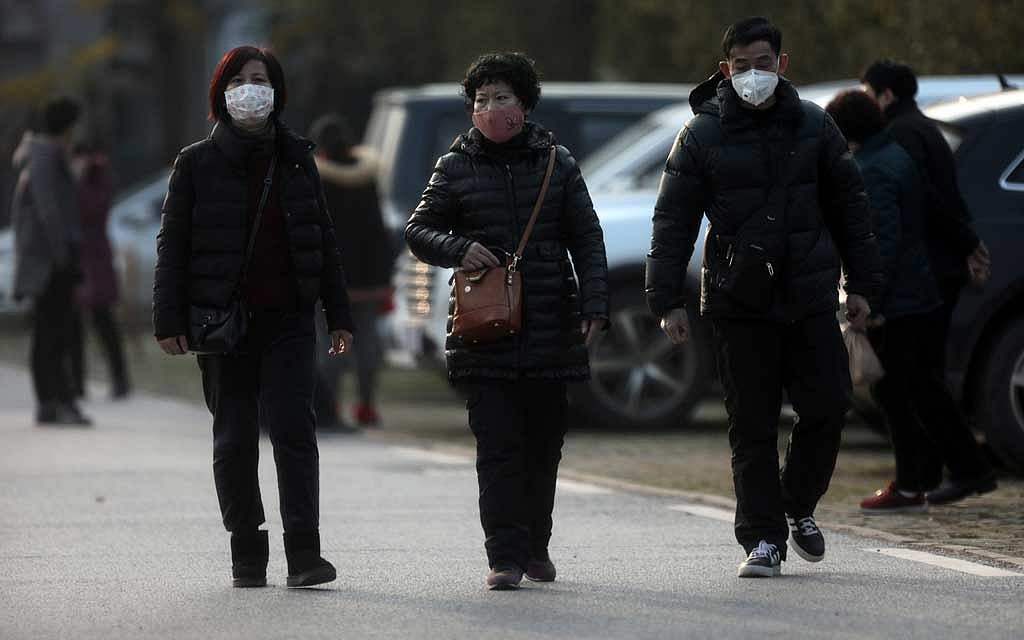
People wearing masks are seen at the Jinyintan hospital, where the patients with pneumonia caused by the new strain of coronavirus are being treated, in Wuhan, Hubei province, China Jan 20, 2020. REUTERS
The virus can cause pneumonia, with symptoms including fever and difficulty in breathing.
Its symptoms are similar to many other respiratory diseases and pose complications for screening efforts.
So far, the WHO has not recommended trade or travel restrictions but such measures could be discussed at Wednesday's emergency meeting.
Wuhan officials have been using infrared thermometers to screen passengers at airports, railway stations and other passenger terminals since Jan 14. Airport authorities in the United States as well as most Asian nations also are screening passengers from Wuhan.
Australia's chief medical officer Brendan Murphy, however, said recent evidence indicated body-temperature screening was ineffective and created a false sense of security.







