Published : 06 Jul 2026, 06:47 AM
Updated : 08 Sep 2026, 09:22 AM


Bangladesh is betting heavily on renewable energy to reshape its power sector over the next five years.
A new government strategy seeks to raise renewables' share of electricity generation to 20 percent by 2030 through tax breaks, grid upgrades, demand-side management and a major expansion of rooftop solar.
The draft strategy targets up to 14,000MW of renewable generation capacity by the end of the decade, a sharp increase from the current level of under 1,000MW of actual generation.
According to the Bangladesh Power Development Board's daily generation report, renewable sources -- including solar, hydro and wind -- supplied about 853MW of the country's 15,214MW daytime electricity demand on Jul 4.
During the evening peak, however, solar output fell close to zero, leaving renewables contributing only around 128MW of the 16,077MW supply.
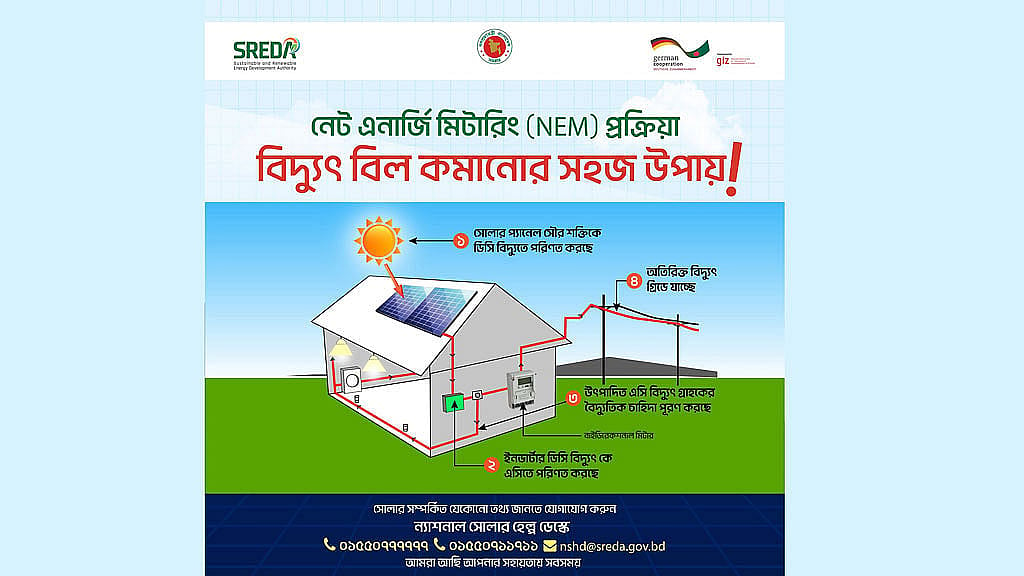
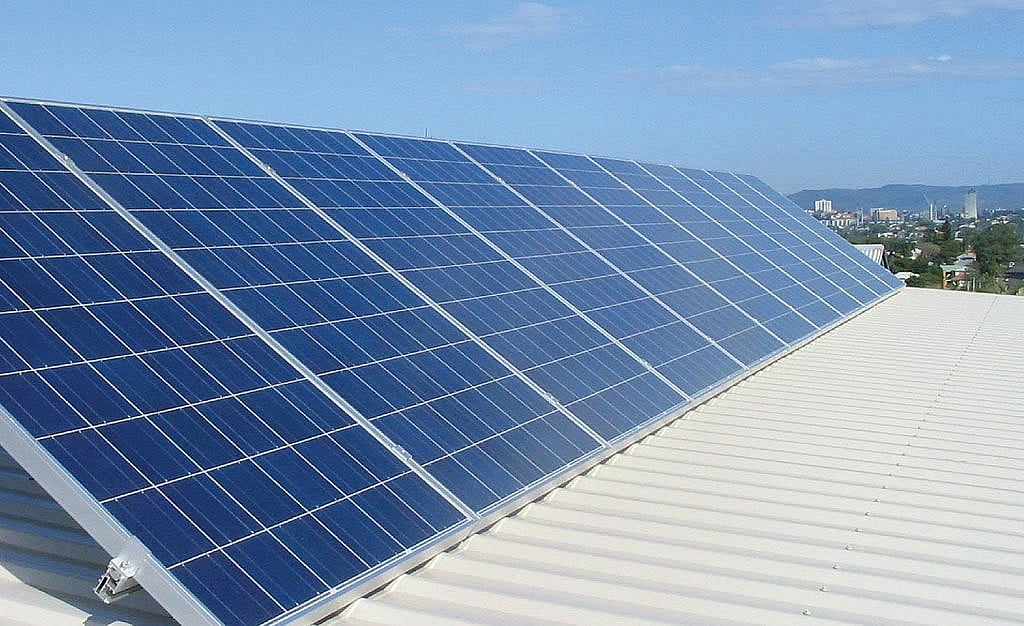
The strategy places its biggest emphasis on rooftop solar, while also proposing mandatory solar installations on buildings, garages, bridges and other suitable infrastructure under current and future development projects.
It also prioritises limiting the use of agricultural land, protecting biodiversity and minimising displacement from large-scale renewable projects.
Other proposed measures include expanding waste-to-energy plants, floating solar, solar-powered irrigation and electric vehicle charging infrastructure.
The draft has been published on the Power Division's website for public feedback and is expected to be finalised at a committee meeting on Tuesday.
Despite the ambitious target, analysts remain cautious.
Ashraful Alam, a member of the Sustainable and Renewable Energy Development Authority (SREDA), said the strategy would be followed by detailed implementation plans covering financing, project execution and institutional responsibilities.
Rooftop Solar Takes Centrestage
According to SREDA, Bangladesh currently has 1,806.8MW of installed renewable energy capacity -- 5.57 percent of the country's total installed power generation capacity of 32,457MW.
The draft strategy estimates that another 10,000-12,000MW of renewable capacity must be added by 2030.
Of that, rooftop solar is expected to contribute 5,500MW, utility-scale solar 4,500MW and wind, waste-to-energy, floating solar and agrivoltaics another 500MW.
The document also acknowledges why previous renewable energy policies fell short, citing weak investment incentives, inadequate financing, inconsistent policy support and poor administrative coordination.
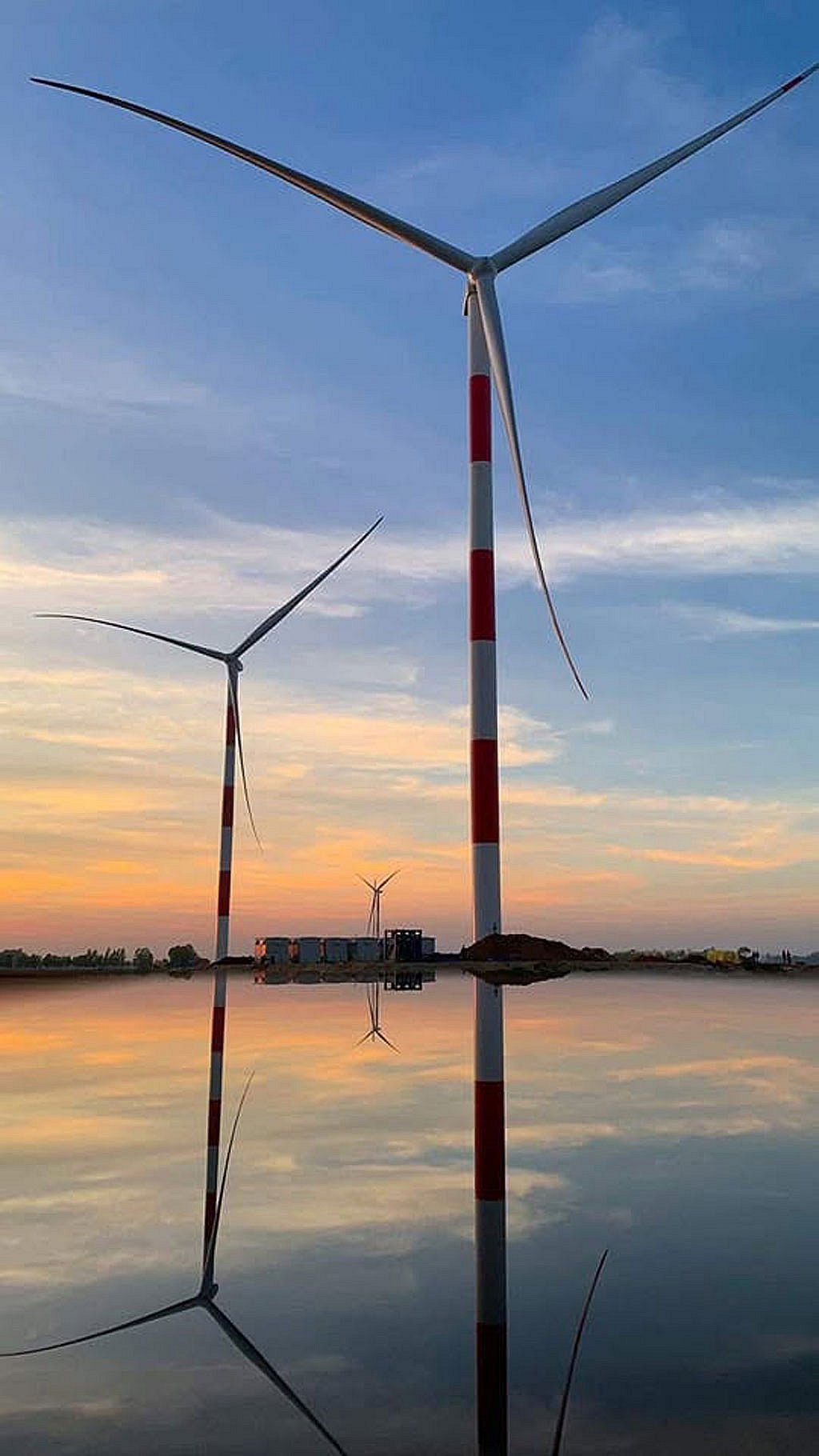
Solar already dominates Bangladesh's renewable energy sector, accounting for roughly 84 percent of installed renewable capacity.
SREDA data shows solar capacity stands at 1,513.71MW, compared with 230MW from hydropower, 62MW from wind, 0.69MW from biogas and 0.4MW from biomass.
Alam said the rooftop target covers both public and private buildings, with industrial rooftops expected to play a particularly important role because of their large available space.
Tax Breaks and Tougher Enforcement
The government hopes recently announced tax cuts will make renewable investments more attractive.
Alam said import taxes on solar equipment had been reduced to 2 percent, lowering project costs and encouraging wider adoption.
The draft strategy also proposes penalties from 2028 for owners who install rooftop solar systems but fail to operate them without valid reasons.
However, it does not yet specify fine amounts, enforcement procedures or appeal mechanisms.
Asked whether SREDA has sufficient manpower and legal authority to implement such an ambitious initiative, Alam acknowledged staffing constraints but said recruitment, training and capacity-building efforts would accompany the rollout.
Success Depends on Implementation
Energy analyst Shafiqul Alam welcomed the strategy's broader approach, arguing that renewable energy should be integrated with demand management, energy efficiency, tariff reforms and grid upgrades rather than treated as a standalone policy.
He said combining tax incentives, financing models, demand-side management and energy efficiency under one framework was a positive step.
"The success of the renewable energy target will depend on how well the government plans, monitors and adjusts the strategy as implementation progresses," he said.
He also argued that expanding domestic gas exploration alongside renewable energy would reduce Bangladesh's reliance on imported fuel.
Race against Time
The draft projects electricity demand will grow by around 6 percent annually, reaching 24,000-25,000MW by 2030.
Meeting 20 percent of that demand with renewable energy would require between 12,000 and 14,000MW of installed renewable capacity.
Because policy preparation, land selection, financing, grid studies and investment readiness are expected to dominate 2026 and 2027, most implementation will have to occur between 2028 and 2030.
The strategy warns that unless project pipelines, land acquisition, financing, grid connections, tariff frameworks and approvals are completed beforehand, achieving the target within the final three years will be difficult.
It also proposes amending the Bangladesh National Building Code to require 30-70 percent of suitable rooftop space to be reserved for solar installations, depending on building type.
Large-scale solar projects, meanwhile, will be required to minimise the use of farmland and protect biodiversity.
As renewable capacity expands beyond 10,000MW, the strategy says Bangladesh must modernise its grid and may require battery energy storage systems for major solar projects.
It also proposes creating a Renewable Energy Development Fund to help finance the country's energy transition.