Published : 27 Sep 2026, 11:55 PM
Updated : 27 Sep 2026, 11:55 PM


Bangladesh’s hotel industry is being squeezed by high taxes, duties, borrowing costs, import expenses and investment hurdles, while fewer foreign guests have weakened room revenues.
Yet domestic customers have helped drive stronger earnings from food, beverages and events.
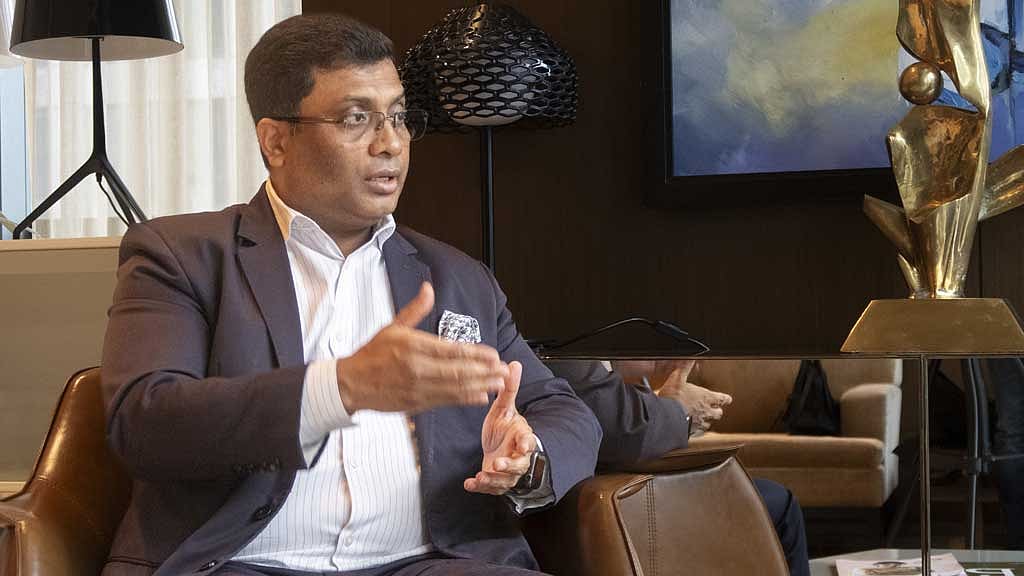
Unique Hotel and Resorts CEO Md Shakawath Hossain has called for policy changes, investment security, easier financing and stronger entrepreneurship, alongside efforts to connect tourism with business, medical and halal travel.
He made the remarks on bdnews24.com’s discussion programme Chinwag with the Chiefs broadcast on its YouTube channel and Facebook page.
Shakawath, with experience over two decades in the hospitality industry, said more than 95 percent of guests staying in four- and five-star hotel rooms are foreigners, while most of the remainder are non-resident Bangladeshis. Local guests make up a relatively small share.
That leaves hotels directly exposed to swings in business, foreign investment, politics and the wider economy, he said.
“After the 5th of August [2024], guests and bookings have increased. But the nature of the bookings has changed. Previously, many owners or top executives of foreign companies would come to Bangladesh. Now, executives are coming more often. The owners are running their businesses remotely.
“So, even for them, rooms are now being booked at lower rates than before. Therefore, the average daily rate is lower, but bookings are coming. Things will improve further in the coming days.
“Especially after the UN conference and such events are over, the flow of bookings and investment into our country will increase. Domestic investment will also increase.”
The revenue mix has also changed dramatically. When the Westin entered Bangladesh in 2007, more than 55 percent of its revenue came from rooms and around 40 percent from food, beverages and events. Now, room revenue has fallen to around 40 percent, while food, beverages and events account for about 55 percent.
Domestic customers have increased, but food and beverage operations carry higher costs, including raw materials.
Expenses in that segment can reach about 70 percent, putting pressure on overall profit despite higher revenue.
For Unique, Shakawath sees customer service as the key competitive strength.
“Our only strength is customer service. We do not compromise on quality. Zero tolerance. If any food goes on display or onto the menu, the chef who cooks it, the chef who supervises it and members of our testing panel will taste it.
“If a guest complains, we find the cause and resolve it. Another thing is maintenance and cleaning. We give full focus to maintenance and cleaning. We focus on personalised service. We do not provide general service to everyone; we divide the service as well. We understand what a particular customer needs and then serve them accordingly. Employees are regularly trained for this.”
He also stressed employee satisfaction and security, timely salaries, career-development opportunities and allowing staff to implement good ideas.
If employees are cared for, they will care for guests, he said. The company regularly conducts research and analyses its services to achieve operational excellence.
Hospitality and tourism qualifications are useful when hiring, but a candidate’s service mindset matters more, he said.
Foreign guests are generally pleased with Bangladeshi hospitality, Shakawath said, but traffic congestion, harassment by beggars while walking outside and limited freedom of movement are among their major complaints.
He blamed land prices, loan interest, import duties and operating costs for the high cost of five-star hotels.
“Gulshan has Hotel Westin. Someone wants to build a hotel there. Land costs at least Tk 2 billion per katha [around 67 square metres]. It is the same price as New York, the same price as Tokyo. You have to borrow from a bank to buy the land and build the hotel. To borrow from a bank, you have to provide collateral and pay 14 percent interest. It is the highest interest rate in the world. It is increasing further. If it becomes 18 percent in future, you will have to pay that.”
Large duties on imported furniture, fittings and equipment are another major obstacle, he said.
“Many products needed by hotels are not manufactured domestically. So food items, various room supplies, equipment and other products have to be imported. Duties, VAT and different charges are added to these.”
Guests’ bills include a 12.5 percent service charge, 15 percent VAT and, in some cases, supplementary duties. Five-star hotels also face city taxes.
The cost of building a hotel has multiplied. Where around Tk 5 billion was once required, about Tk 15 billion may now be needed. The time to recover an investment has also increased from roughly 20 years to as much as 35 years.
Shakawath proposed lower duties, easier loans, tax benefits for investors, tax exemptions on imported equipment, tax holidays, seed money and stronger investment protection. He also called for specialised manpower and a dedicated tourism cadre.
Tourism should extend beyond hotels to food, entertainment, transport and handicrafts, he said, including promotion of local products such as muslin.
“Bangladesh has a major opportunity in business tourism. Foreign businesspeople and investors can be attracted around the garment, jute, muslin, pharmaceutical and ship-breaking industries.
“There is also potential in meetings, incentives, conferences and exhibitions. Medical tourism has potential in services such as cardiac care and kidney transplants. Bangladesh can also seize major opportunities in religious and halal tourism.”
He pointed to the large religious gathering in Tongi as an opportunity to attract foreign Muslim tourists.
But Bangladesh must first improve its domestic environment, he said. Without addressing traffic congestion, harassment by beggars and mobility problems, retaining foreign tourists will be difficult.
He also sees AI and digital technology as new opportunities for tourism.
Shakawath placed particular emphasis on creating entrepreneurs. Licences, investment security and support for running businesses are needed, he said.
“If entrepreneurs are tied hand and foot by unnecessary complications, new industries will not emerge.”
More major entrepreneurs would also mean more jobs.
He believes the time has come for Bangladesh to build its own international hotel brand, citing India’s Leela, Oberoi and Taj as examples.
Unique is seeking to expand its Hansa brand, but investment security and guaranteed returns are needed for that expansion, he said.
He observed that slower economic growth has changed demand and encouraged spending cuts among corporate, diplomatic and individual customers, driven by wars, financial crises and the energy crisis.
“In the corporate sector, we are seeing a change. Corporates are no longer spending as much as they used to. Everyone has become conservative because everyone’s income has fallen. They are cutting expenditure too.
“Wars, financial crises and the energy crisis across the world are also causing spending cuts at the diplomatic level. Individuals are cutting their spending too.
“Unless they absolutely cannot avoid it, such as a wedding -- something that happens once in a lifetime. National days and major corporate events are still happening. But the pattern of spending on events, enjoyment and celebrations has changed significantly.”
For better days ahead, Shakawath stressed policy reform, putting the right people in the right roles and supporting entrepreneurs.
He also urged professionals to use their core expertise and intellectual property.
He highlighted his own “Six Control Points of Food Cost Optimisation” theory, for which he has obtained copyright. He teaches it at Dhaka University and has trained more than 500 chefs and management employees in the approach.
He also emphasised food diplomacy.
“Food is a universal means of communication. Food can be used as part of public diplomacy. If tourism, food diplomacy, entrepreneurship development and policy reform can move forward together, Bangladesh can realise the huge potential of its tourism sector.”