



Published : 21 Oct 2022, 09:50 AM
Updated : 21 Oct 2022, 10:15 AM


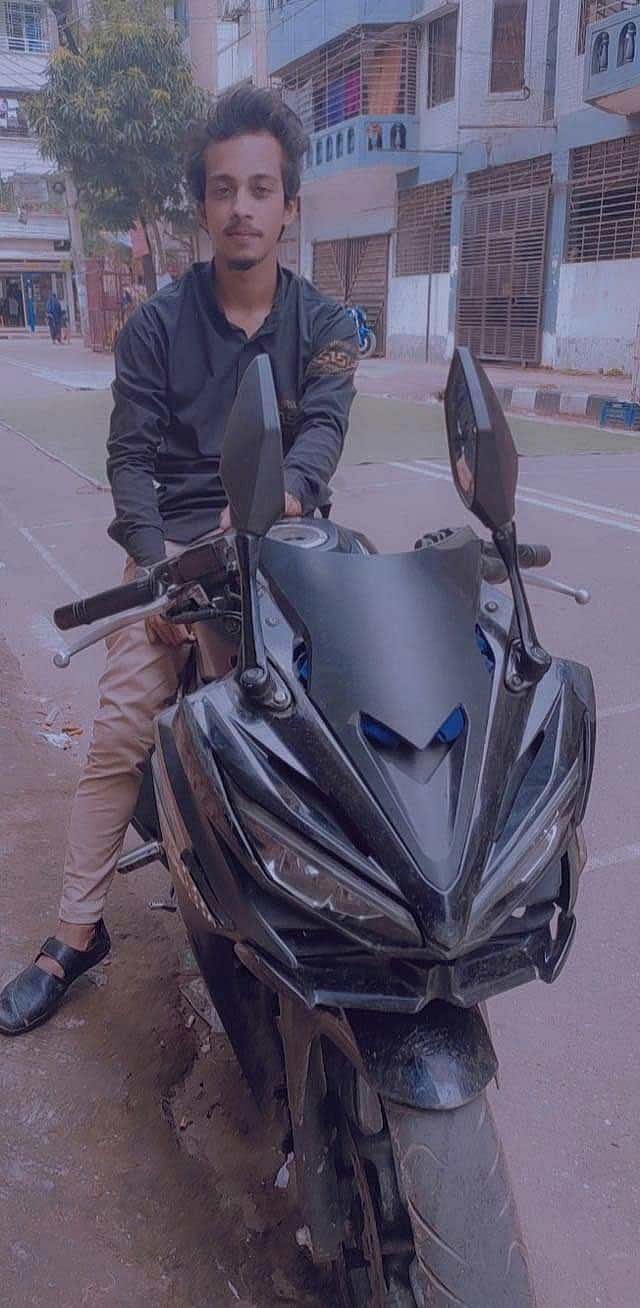
Ashraf Ahmed Talha, a teenager, was driving his motorcycle at a speed of 122 km per hour on a Mawa expressway during a trip with friends on Sept 30 when it collided head-on with another motorbike. As he fell off the motorcycle, a truck ran over him.
Talha, 19, survived the accident, but is still spending his days on an anti-sore bed in a cabin of Bangabandhu Sheikh Mujib Medical University three weeks after the crash, with his right leg amputated.
His mother, siblings and relatives worry whether he will ever be able to return to a normal life.
No official data is available on how many people like Talha lose some physical abilities after road crashes every year in Bangladesh.
According to the Road Safety Foundation, 6,284 people died and 7,468 were injured in 5,371 road accidents in 2021. Another organisation, Passenger Welfare Association, counted 7,809 deaths and 9,039 injuries in 5,629 accidents last year.
The actual number of people injured in road crashes is much higher as these agencies only take figures from media reports and the media generally report on accidents with fatalities only.
Regardless of the count, doctors said most of those arriving in Dhaka’s hospitals with broken bones are survivors of road crashes. And even if they live after long medical care, they are mostly unable to return to a normal life.
Noman Khaled Chowdhury, head of neurosurgery at Chattogram Medical College Hospital, in a Facebook post on Wednesday wrote that from his long experience, he thinks motorcycles should be renamed “death cycles”.
Another doctor, Abu Hena Mahbub, commented on his post that the name should be “disability cycle” because, he believes, it is “better off dead than being a person with a disability and become a lesson for others”.
SPEEDING AT 122 KM/H
Talha, who has two siblings, passed the Higher Secondary Certificate exams earlier this year and was set to get admitted to a private university. He got involved in the crash around midnight on Sept 30, about four months after his father Mohammad Gias Uddin died. His mother Razia Sultana now runs the family with the house rents they get.
During the gap before the admission, Talha and two of his friends embarked on a bike trip to Mawa that night, he said. He was driving his Yamaha R15 at 122 km/h.
As he arrived near his destination, his motorcycle collided with another rider and he lost balance and was thrown to the ground when a truck ran over his legs, Talha recounted.
The doctors carried out several surgeries on his right leg before deciding to amputate it from the knee down. The injuries on his other leg are yet to heal.
FROM A BREADWINNER TO A DEPENDENT
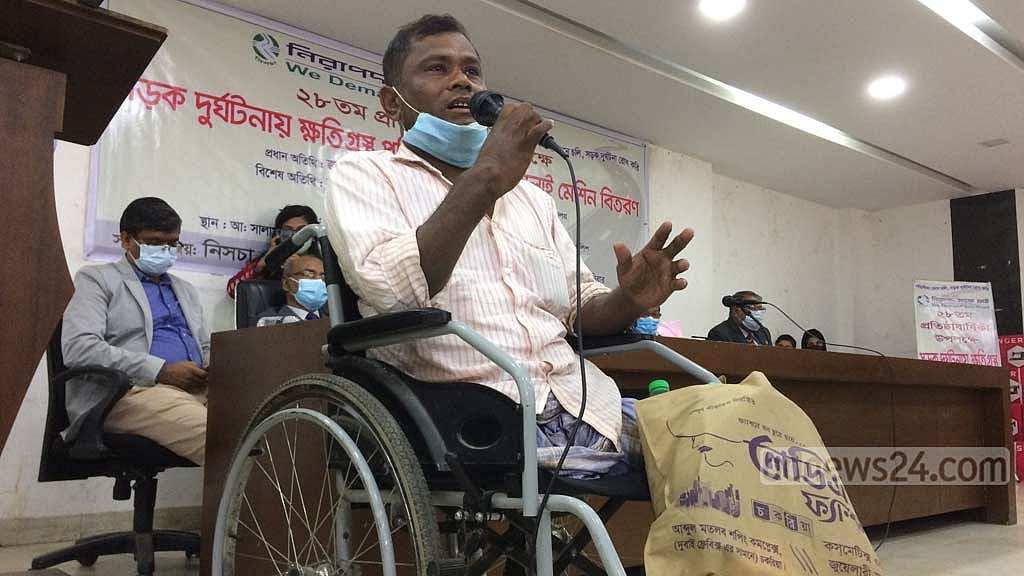
Abbas Uddin was an autorickshaw driver from Chattogram’s Satkania. A truck crashed into his vehicle on the Chattogram-Cox’s Bazar highway in 2014 and two of the passengers lost their lives, but he survived with critical injuries.
The doctors conducted several surgeries before amputating both his legs below the knee. Now Abbas spends his days in agony. “I am completely dependent on others.”
‘BETTER OFF DEAD’

Meru Mia, who had arrived in Dhaka from Gaibandha in search of a job, was run over by a car while crossing the street in 2012 when he was 15 years old. His left leg was amputated and his father had to resort to loans for his treatment. Meru had to resume his search for a job as his father died after some time. Now he works as a rickshaw mechanic.
“Those who never went through this experience will never understand how it feels. I must’ve committed a sin,” he said. “When the doctors amputated my leg, I felt I would be better off dead.”
NO REHABILITATION
Ilias Kanchan, an actor known for his road safety campaign, said the government does not have a system to provide financial support for the rehabilitation of those who lost physical abilities to road crashes.
“Road accident victims lose their income when they lose some physical abilities. The family then faces the overbearing cost of treatment which usually sends them back into poverty.”
Kanchan said his organisation, Nirapad Sarak Chai, always tries to support such people. “But the extent of this problem is far-reaching.”







