US unwilling to negotiate further on Ticfa
Dhaka-Washington talks for a Trade and Investment Cooperation Framework Agreement deal have been going on for the last two years, writes Sheikh Shahariar Zaman
bdnews24.com News Service
bdnews24.com
Published :
10 Jul 2012, 02:59 PM
Updated :
09 Aug 2022, 03:59 PM
Sheikh Shahariar Zaman
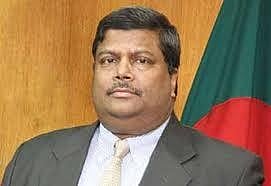
Dhaka, Jul 10 (bdnews24.com) – Bangladesh and the US are not yet ready to sign Trade and Investment Cooperation Framework Agreement (Ticfa) as Washington is not willing to negotiate the issue any further, says Foreign Secretary Mijarul Quayes.
"As far as I am informed, it would be not correct to say that we are ready to sign the agreement at the moment," Quayes told the bdnews24.com.
The two countries have been engaged in negotiations for striking a Ticfa deal for the last two years.
"There are some textual matters where the US side informed us that there is no scope for further negotiations," said the lead TICFA negotiator without elaborating on the areas of disagreement between the two countries.
"But we always believe there is room for negotiation. We can always negotiate to find a way to agree on the text of the pact," Quayes hoped.
He, however, said, "The negotiations are in an advanced stage … we are very close … just need to agree on some minor residual aspects of the draft. When we feel that interests of both the parties are protected, I think we will strike the deal."
The text should not compromise the interests of Bangladesh, the secretary observed.
"I am not saying that Bangladesh's interests should always get an upper hand, but there should not be any compromise … and we need to look into these issues."
Market access
Bangladesh was negotiating with the US to have duty- and quota-free market access to the richest country, the secretary said.
Washington has imposed 16 to 32 percent duty on most of the Bangladeshi exportables including readymade garments.
"I told them when you impose such duties, we have to cut all corners to stay competitive," Quayes said adding, "If you withdraw the duties, we can use the money for improving terms of employment of the girls, who are already working in the garment factories."
"You are talking about the rights of workers, you give me this 32 percent," Quayes told his counterpart while making the Bangladesh case.
US is the single-biggest export destination of Bangladeshi products from where about 30 percent of the total export earnings come.
bdnews24.com/ssz/nir/2041h