


Published : 13 Aug 2015, 03:16 PM
Updated : 19 Oct 2022, 06:54 PM


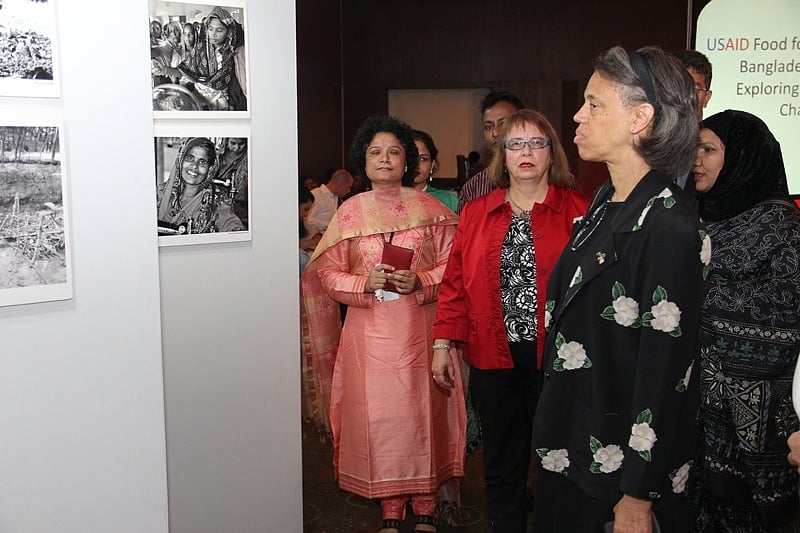
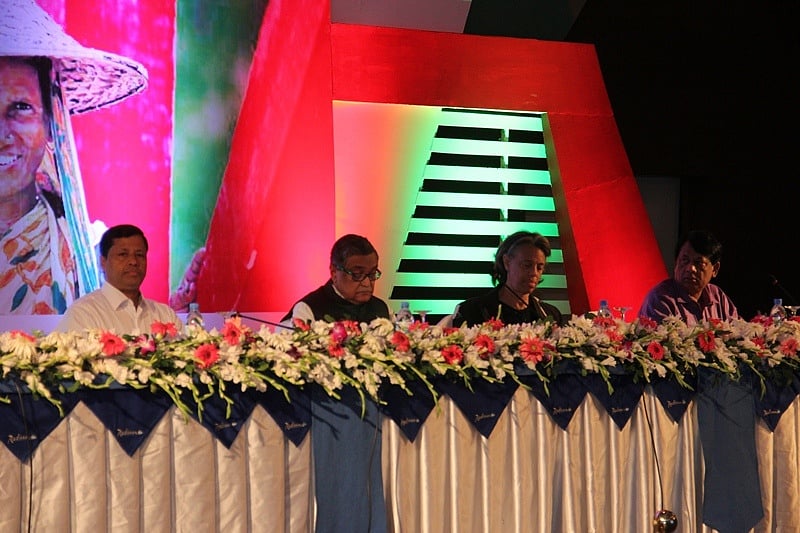
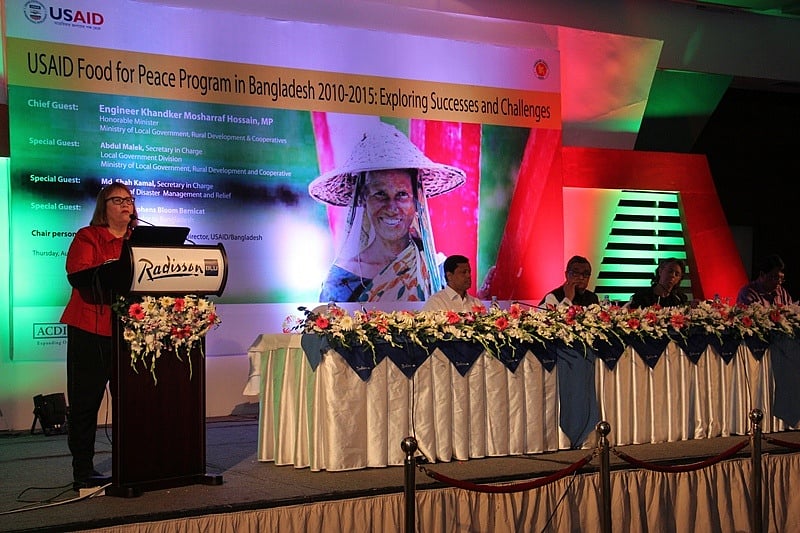
Ambassador Marcia Bernicat said on Thursday that $180 million would be pumped in for the new phase of the programme that would “address food insecurity among the poorest and most vulnerable people”.
She said it had been extended based on the “success” of the first phase that would end this year.
The ambassador was speaking at a ceremony to share the result of the first phase of the programme.
The US government’s development arm, USAID, said the programme had reached 3.5 million poorest and most vulnerable people through different projects.
The new phase will focus on enhancing food security by increasing the production, consumption and marketing of locally produced agricultural products, and addressing malnutrition by improving diets and helping families to feed their children adequately.
It will also focus on increasing resilience by helping government agencies and communities prepare for inevitable disasters and recover from them more quickly and successfully.
Local government, rural development and cooperatives minister Khandkar Mosharraf Hossain, who was present as the chief guest, acknowledged the success of the programme.
He said Bangladesh could not ensure sufficient food for all its people at all times, despite achievements in the field of food security.
The Food for Peace programme helped farmers enhance their production with training.
Partnering with other programmes, it also helped them link up to markets so that they can increase their income through commercial production.
USAID mission director Janina Jaruzelski said the programme had played crucial role in ensuring food security and nutrition for households at the grassroots level since 2010.
It was focused on extremely poor people living in the south, southwest and northern region, many of whom were landless and extremely malnourished.
Bangladesh’s progress in improving food security has been lauded across the world.
Despite that, Bangladesh remains vulnerable particularly due to climate change, seasonal flooding, cyclone and other natural disasters.
About 20 percent people still live in extreme poverty and are continuously undernourished.
The 2014 Bangladesh Demographic and Health Survey found 36 percent children under-five too short for their age or stunted because they suffer from chronic and long-term malnourishment.
It affects their cognitive development, apart from overall health.
The ambassador said “this battle against food insecurity, malnutrition and natural disasters is not won in a day or a year”.
“It is an ongoing effort to build institutions, communities and families,” she said.










