


Published : 05 Oct 2017, 02:54 AM
Updated : 19 Oct 2022, 03:48 PM


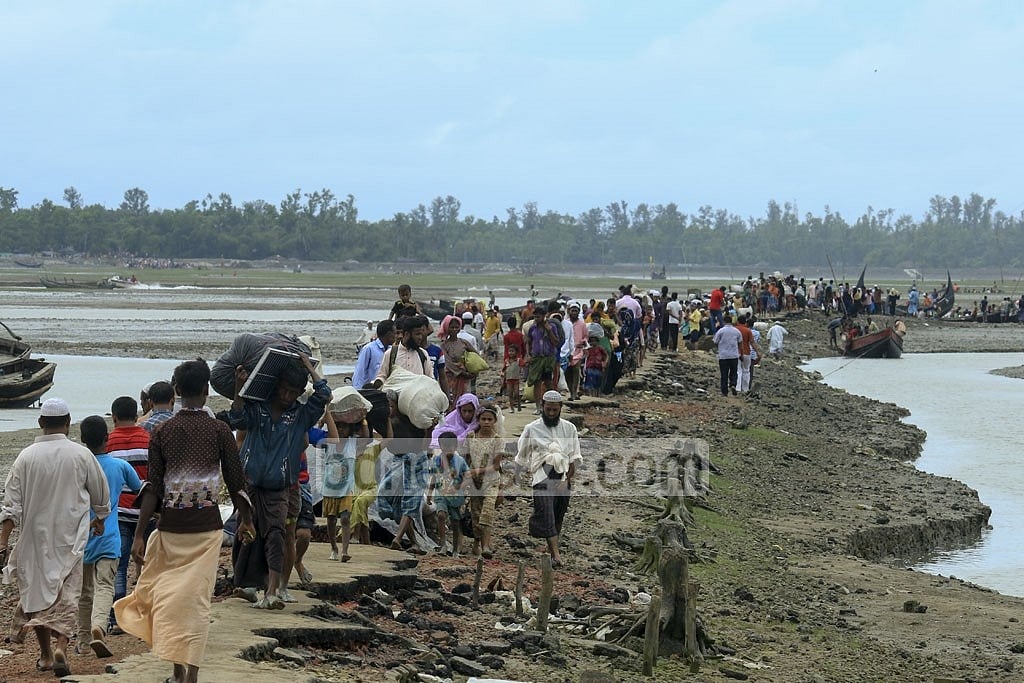
"Unfortunately, people are still crossing from Myanmar into Bangladesh, fleeing for their lives and they require immediate support," they said in a joint statement.
"We call again on the Myanmar authorities to allow the full resumption of humanitarian action across all of Rakhine state, and will continue to advocate for conditions to be created that allow for people to safely, securely and voluntarily go home."
Emergency Relief Coordinator and United Nations Under-Secretary-General for Humanitarian Affairs, Mark Lowcock and UNICEF Executive Director Anthony Lake issued the joint statement on Wednesday.
Over half a million Rohingyas fled ethnic cleansing in their home Rakhine State and took shelter in Bangladesh since Aug 25.
"We leave Bangladesh moved by the stories of suffering that we heard from refugees fleeing the violence in Myanmar – and all the more determined that the United Nations do all it can to assist the government of Bangladesh in coping with this crisis," the UN officials said.
"The human tragedy unfolding in southern Bangladesh is staggering in its scale, complexity and rapidity. In just the past few weeks, well over half a million Rohingya people have crossed the border, making this the world’s fastest developing refugee emergency.
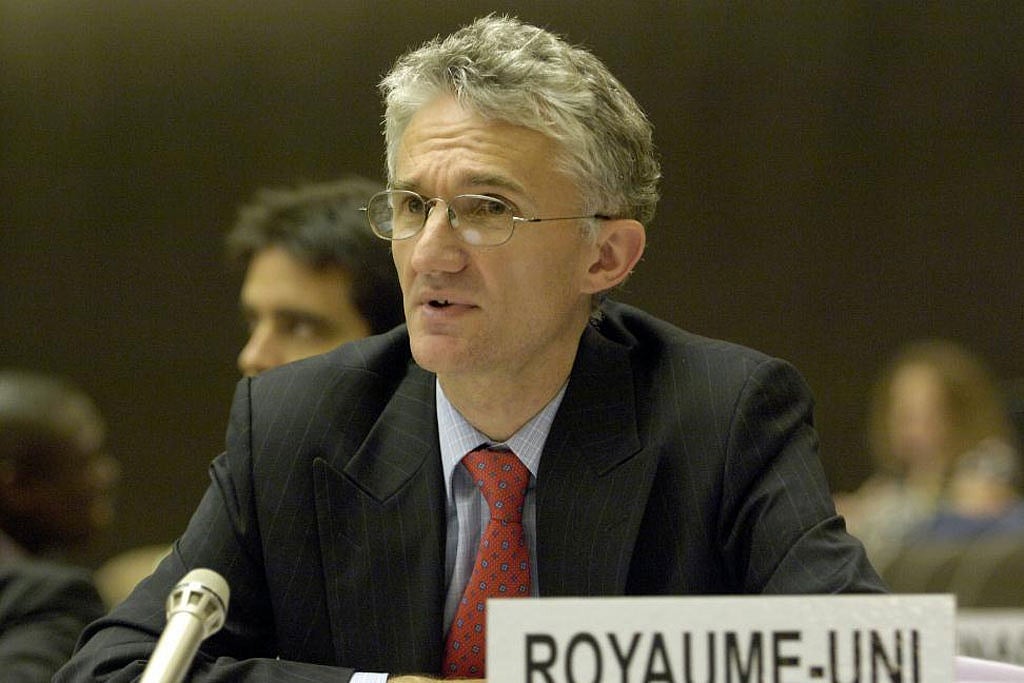
Mark Lowcock, head of the Office for the Coordination of Humanitarian Affairs (OCHA). Photo: United Nations
The government and people of Bangladesh have demonstrated an extraordinary spirit of generosity by opening the country’s borders and leading the efforts to provide relief to the refugees.
They have provided the world with an inspiring example of humanity," the joint statement said.
"We were impressed in the camps and settlements we visited by the progress being made to assist the refugees. We saw the difference that the Government, the Bangladesh Armed Forces, UN agencies and our national and international NGO partners are making.
But the needs are growing at a faster pace than our ability to meet them," it added.
The refugees are living in flimsy bamboo and plastic shacks in the sprawling and densely-crowded sites that have sprung up to accommodate them.
In these conditions, there is an ever-growing risk for an outbreak of disease.
There are also numerous challenges for the response including limited road access to the dispersed refugee populations, a population that is still moving and a lack of land for shelter and infrastructure.
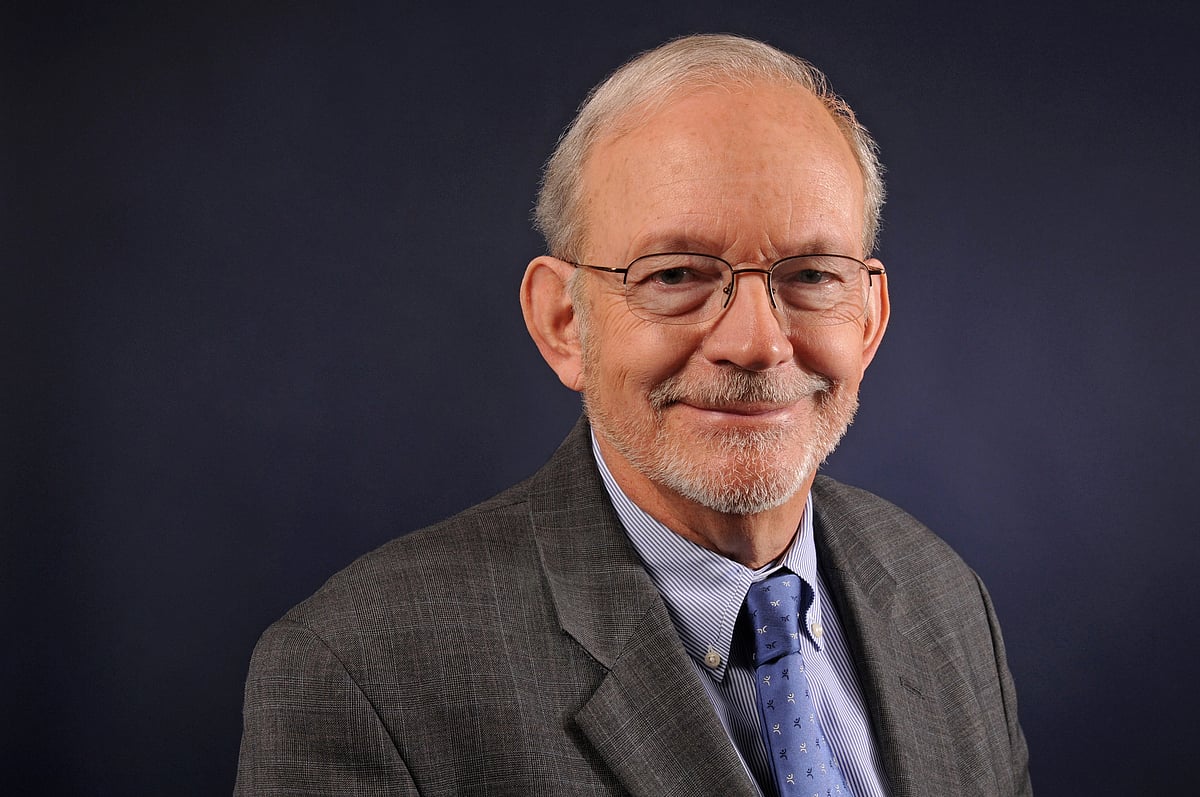
UNICEF Executive Director Anthony Lake. Photo: United Nations
Funding is urgently needed so that all refugees have access to food, shelter, water, sanitation facilities, healthcare and protective services.
Conditions in the temporary settlements are dire.
Without a significant increase in assistance, the refugees, who have suffered so much already, could face another catastrophe on top of the tragedies that caused them to flee their homes.
On Wednesday, an update to the UN response plan was released, seeking $430 million which is urgently needed to scale up the relief operation in support of the refugees and the host communities where they are seeking refuge.
In support of this, an additional $12 million from the Central Emergency Response Fund (CERF) has been allocated to assist in the establishment of new sites for the newly arrived refugees.
"We welcomed, in our meetings with government officials, their assurances of ever closer cooperation", read the statement.













