


Published : 10 Nov 2013, 12:16 AM
Updated : 20 Oct 2022, 03:41 PM


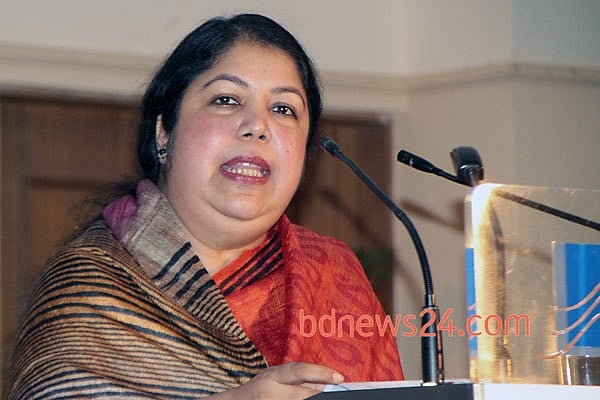
Speaker Shirin Sharmin Chaudhury has said ‘concerted efforts and enhanced partnership’ between Bangladesh and India can contribute to the emergence of a robust South Asia.
Speaking at the celebration of the “Indian Technical and Economic Cooperation (ITEC) Day” in Dhaka on Saturday she said Bangladesh believed in friendly relations with neighbouring countries and fostering regional cooperation and development.
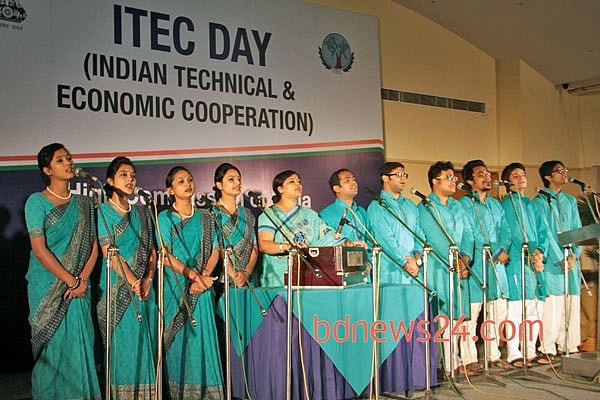
The Indian High Commission in Dhaka celebrates the ITEC Day every year to bring together its alumni who have received education and training in India through its flagship scholarship programme.
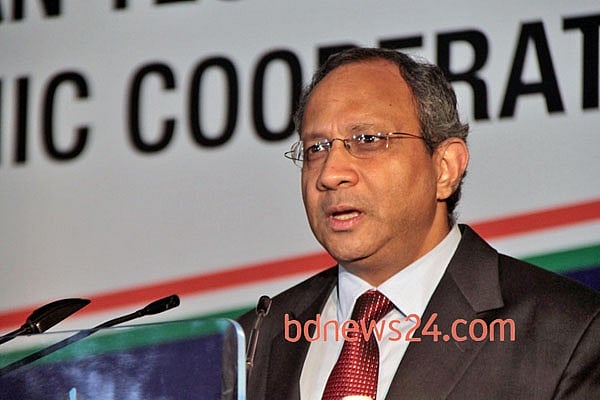
High Commissioner Pankaj Saran said Bangladesh was one of the ‘focus’ countries of different scholarships programmes.
Since 2007, nearly 650 Bangladeshi students as well as professionals from diverse disciplines received Indian scholarships.
Started in 1964, ITEC is the oldest programme of the Indian government that draws students from 142 countries.
Apart from ITEC programme, India also draws students and professionals through the Technical Cooperation Scheme of Colombo Plan and the Indian Council for Cultural Relations (ICCR) scholarships.
Since last year, it had been taking 100 youths from Bangladesh to visit and see India.
The Speaker thanked the Indian government for including Bangladesh as what she said ‘a valued partner’ in those scholarships.
It creates “a scope to make best possible use of development opportunities through mutual cooperation” she said, terming cooperation between countries ‘fundamental’ to ensure a win-win outcome.
She said mutual exchanges in the areas of common interest creates “favourable environment for inter-dependence”.
“It strengthens relations of mutual trusts and confidence,” she said.
The Indian envoy said the list of the courses that drew Bangladesh’s interest was diverse from accounts, audit, finance to English language, rural development, environment and renewable energy.
“We are very happy to administer these courses,” he said and that more students were showing interest in visiting India and participating in these courses.
Quoting one of Indian politicians, Saran said, as the two neighbours have similar problems, similar challenges and share common ethos, “we have to work with each other and to help each other in our mutual development as we develop together”.
“This is the philosophy behind those (scholarship) programmes,” he said.
“If all these programmes help to make professionals of Bangladesh more skilled, if they help to improve the mutual understanding and friendship between the people of the two countries, then we would have done our job.
“But, of course we have to realise that every little success that we made, there is so much more we need to do and there is so much more we must do.
“And this is a long time undertaking and we have to be in it together,” he said.
He hoped these alumni would help make Bangladesh “a prosperous country and further improve and deepen the relationships” with India.
He also hoped that they would also keep up their interest in India and at the same time he suggested bringing in Indian professionals, scholars to see Bangladesh and learn from its successes.
Four alumni, including two participants of this year’s 100 youth delegation, shared their experiences of studying and visiting India.
A group of the Dhaka University’s music department has performed fusion of the two countries patriotic songs.







