


Published : 11 Jan 2011, 03:43 PM
Updated : 10 Aug 2022, 04:11 PM


Scientists at the International Centre for Diarrhoeal Disease and Research, Bangladesh (ICDDR,B) say the situation worsens with plunging mercury level in the winter.
The centre is getting 280 diarrhoeal patients on an average a day; of which 70 percent are children with rotavirus infection.
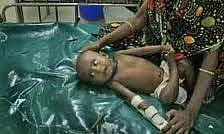
Taslima Begum of Mirpur rushed her 10-month old baby to the ICDDR,B, commonly known as Mohakhali Cholera Hospital on Tuesday morning.
She said her baby suddenly stopped crying early in the morning after bouts of vomiting and a mild fever. "He was defecating watery stool," she said, sitting on her boy's hospital bed, with tears rolling down her cheeks.
ICDDR,B scientist Dr M Shahadat Hossain said the baby was in shock when arrived.
"Now (the baby's) danger is over," he told bdnews24.com, adding that rotavirus is the commonest cause of diarrhoea in children above six months and below two years.
But when temperature falls, more children become vulnerable to the virus that gets active with chilly environment.
Dr Hossain said there was no prevention for the deadly rotavirus diarrheoa except vaccination of children after the age of six months.
Bacterial diarrhoea could be prevented by simple measures, such as drinking clean water, eating safe hygienic food and washing hands before eating.
But, he said, people need not worry as simple oral rehydration salts (ORS) can cure diarrhoea within seven to eleven days. "No antibiotic is needed."
An ICDDR,B study estimated that between 5,756 and 13,430 children died each year between 2001 and 2004 from severe rotavirus gastroenteritis.
A World Health Organisation study in 2004 also found that of the half a million childhood diarrhoea in Bangladesh, 85 percent are rotavirus induced.
Administrating two-dose Rotateq vaccine available in the market can give over 50 percent protections to the young children.
But it is expensive, Dr Hossain said, suggesting introduction of the vaccine into the national childhood immunization programmes.
In this regard, he said, donor agencies can help Bangladesh, a country burdened with high diarrhoeal disease.
Symptoms of rotavirus diarrhoea include severe diarrhoea and vomiting, leading to loss of fluid and electrolytes which can result in dehydration, shock, and death.
Regular breastfeeding keeps infants immune against the virus in the first six months of age. It afflicts thereafter when the baby begins to lose immunity against the virus.
Experts urged caregivers to maintain personal hygiene as the virus can pass on through stool contamination.







