


Published : 21 Apr 2016, 11:10 AM
Updated : 19 Oct 2022, 05:14 PM


The coincidence of the eastern and western depressions is not happening and that is delaying the rains, they say.
But Sylhet has already experienced heavy rains — like in the adjacent Indian province of Assam.
From early April, Bangladesh has been experiencing mild to moderate heat wave (36 to 40 degree Celsius).
The highest temperature was recorded at Chuadanga on Apr 10 — 40.3 degree Celsius. In 2014, Chuadanga has witnessed temperature as high as 41.5 degree.
The highest temperature on Wednesday was recorded in Rajshahi — 39.6 degrees Celsius. It was 36 degrees Celsius in the capital Dhaka.
The Met office says that the heat wave will continue for another few days.
“There were 15 to 20 rainless days during March-April last year. The weather remains warm as rainless days lead to rise in temperature,” Senior Meteorologist Arif Hossain told bdnews24.com.
He said that they do not see any possibilities of rain in the next two or three days. “Lack of coincidence of eastern and western depression delaying rains, but there have been some showers in Sylhet.”
Weather expert Sujit Kumar Debsharma said that the heat during March and April was normal.
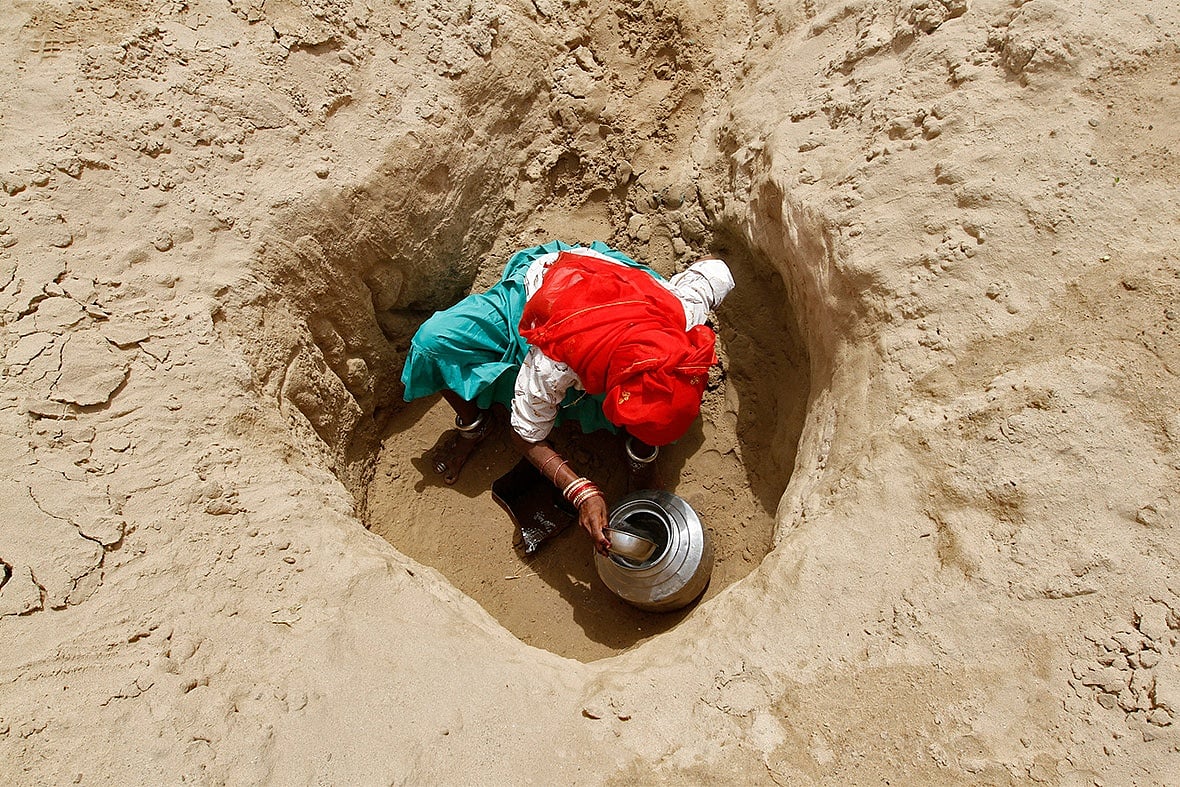
Dry weather has caused droughts in several regions in neighbouring India. Its government has said that around 330 million in the country are suffering from water shortage.
Debsharma, who headed the now defunct SAARC Meteorological Research Centre, however, said that there are no possibilities of drought in Bangladesh.
“The rainless days are due to an obstruction in the Bay of Bengal and the Arabian Sea. There have been instances of rainless days for even four to five weeks,” he told bdnews24.com.
According to Debsharma, Bangladesh witnessed similar weather conditions in the 1960s and in 1985 and 86.
He says Bangladesh will not be affected by the El Nino— a warming of tropical Pacific waters that affects wind circulation patterns, recurring every three to eight years. Its effect on global climate varies from one event to the next.
“We will not have drought due to the global warming. Such hot weather comes in every few years and this will not stay for long. We hope things will change in May-June.”
Global aid agencies say that the El Nino will lead to more people suffering hunger and diseases in 2016. It can also cause severe drought in some areas as well huge floods in other areas.
The long-term weather forecast for April said that Sylhet Division might experience rains for 13 to 16 days while in other places 5 to 10 days.
But by the end of the month’s third week, there have been almost no rain except for Sylhet. There were light and medium showers for a day in regions around Tangail.







