


Published : 25 Apr 2014, 05:03 PM
Updated : 08 Aug 2022, 06:42 PM


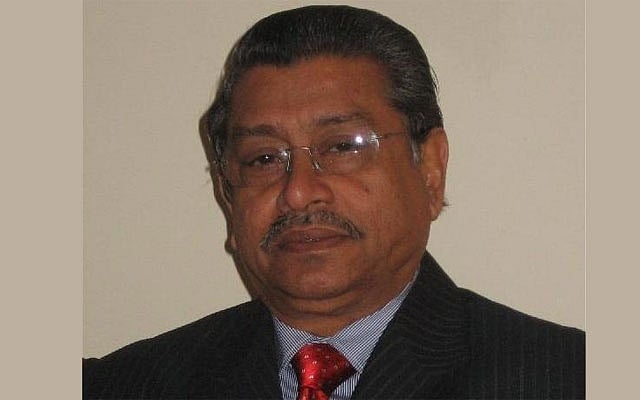
Speaking at an international forum in Washington on Friday, Akramul Qader, however, said the retailers have come up with “innovative ideas” for a “long-term improvement” in factory conditions and labour rights.
He also flayed the US Congress for 'consistently’ advocating for improved labour conditions in Bangladesh without offering any tariff concessions to the garment sector.
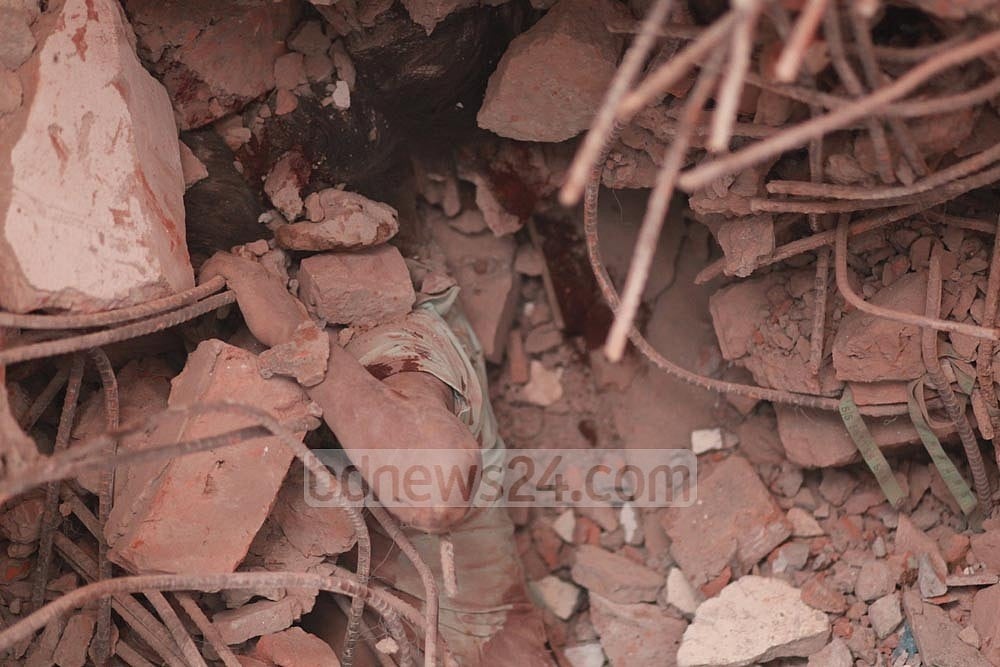
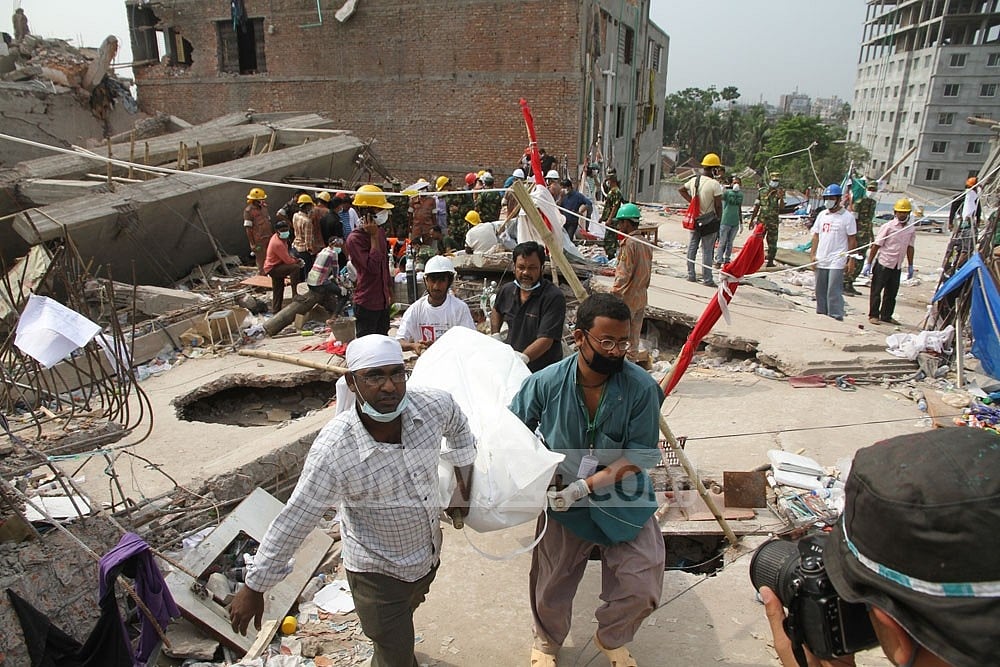
The US has suspended its GSP privilege that some of Bangladesh’s products were enjoying in its market in July last year after Rana Plaza in Savar collapsed in April, killing more than 1,100 people, mostly garment workers.
Bangladesh’s main export item readymade clothes never enjoyed the facility, but the GSP revocation sent a negative signal worldwide.
The US administration has been saying that the GSP decision was to improve the factory safety and workers’ rights.
The ambassador, speaking at the “Rumi Forum”, however, said the decision had “put the workers in jeopardy”.
He said the garment industry was still recovering from the shocks of Rana Plaza collapse and the fire that broke out in the Tazreen factory in Nov 2012.
“….but US government’s response of suspending GSP for Bangladesh has not helped address the underlying issues beneath the deadly incidents, rather put the workforce into jeopardy,” he said.
He, however, appreciated the retailers move.
“The accord the European retailers signed in May 2013 on fire and building safety in Bangladesh is the first ever agreement centring compliances in Bangladesh garments sector,” he said.
He also said that the North American retailers came up with “Alliance on Bangladesh Worker’s Safety”.
He urged all including the US “to continue to constructively engage with Bangladesh during this difficult time”.
Replying to a question, he briefed the forum about the government’s steps to ensure labour safety and rights that include amending the Labour Act that now allows free association of workers.
The Rumi Forum in Washington organises intercultural dialogue, and stimulates thinking for fostering democracy and peace.
Alyssa Ayres, Senior Fellow for India, Pakistan, and South Asia at the Council on Foreign Relations (CFR) and former Deputy Assistant Secretary of State for South and Central Asian Bureau, moderated the discussion.
Ambassador Qader spoke on Bangladesh’s socio-economic development, labour safety, labour rights, Jan 5 elections, ongoing war crimes trial and Bangladesh-US trade and economic relations and later replied questions.
But the readymade clothes industry dominated his talks since he spoke just a year after the worst-ever building collapse.
He said US is a major destination for products made in Bangladesh, receiving nearly a fourth of Bangladesh’s total exports.
“Apart from providing low cost fashion and apparel solutions to US consumers, Bangladesh’s RMG is also a source of huge revenue for the US government,” he said.
To make his point, he said, Bangladeshi garments enter into the US market after paying “an exceptionally high tariff ranging from 8 to 32 percent”.
“In 2013, Bangladesh exported $4.90 billion of RMG to US market and paid tariffs of almost $ 820 million”.
“Ironically,” he said, “while US Congress consistently advocates for improved labour conditions in Bangladesh, it has always shied away from offering any tariff concessions to Bangladeshi apparels”.
“Should the US Congress offer duty free access or alternatively tariff concessions, no doubt it would have given much needed financial room for the industries to improve worker safety and rights in Bangladesh,” he said.
Replying to questions on the Jan 5 elections, which were boycotted by the opposition, he said BNP’s participation in local government elections had proved “the credibility of the existing election mechanism”.
Qader said the Jan 5 elections were held “under an unprecedented commitment of the government to uphold the constitutional obligation and strengthen the democratic process in the country”.
The results, he said, had both domestic and international ramifications.
“Domestically, it is a victory of secular and democratic forces over the extremist and reactionary forces.
“Internationally, the new government has received significant international support and after the elections the European Parliament has called upon the major opposition to abandon its’ alliance with extremist forces,” he said.
He said the elections under the “independent” Election Commission were “free, fair and transparent” and more than 40 percent voters exercised their franchise.
He also said the present government is “steadfast to preserve the human rights and freedom of media”.
The ambassador highlighted the key issues of the ongoing war crimes trial.
He said the war crimes trial was going on in response to the “overwhelming public demand” to bring the perpetrators of the crimes against humanity during the 1971 Liberation War to justice.
“Government welcomed and incorporated suggestions from outside observers, including the US, to ensure that the tribunals meet international legal standards,” he said.
He said the trials “incited the ire of the Jamaat-e-Islami, who used indiscriminate violence as a political tool to prevent the trials from proceeding”.
The ambassador hoped for “a successful implementation” of the decision of the International Crimes Tribunals, which he said can “set a precedent for others that justice, fairness, and equality can prevail regardless of a state’s past”.
According to the foreign ministry, the ambassador also highlighted Bangladesh’s socio-economic progress, despite hurdles.
He said encouraged by such “resilient economy”, the government took “courageous decisions” like building Padma bridge with domestic finance.
“Bangladesh’s economic relations with foreign countries have been changed from predominantly aid-recipient to a trade,” he told the Rumi Forum.







