


Published : 08 Sep 2018, 11:47 AM
Updated : 19 Oct 2022, 02:18 PM


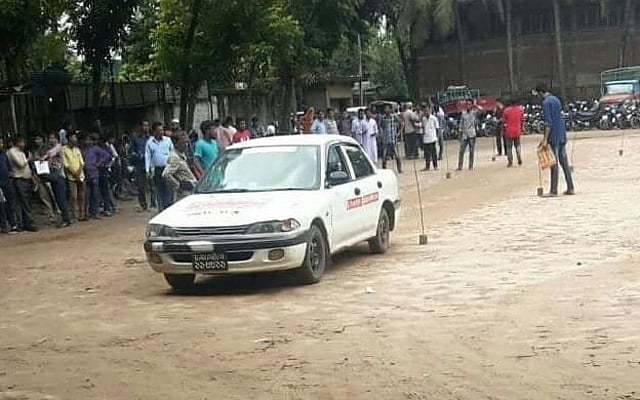
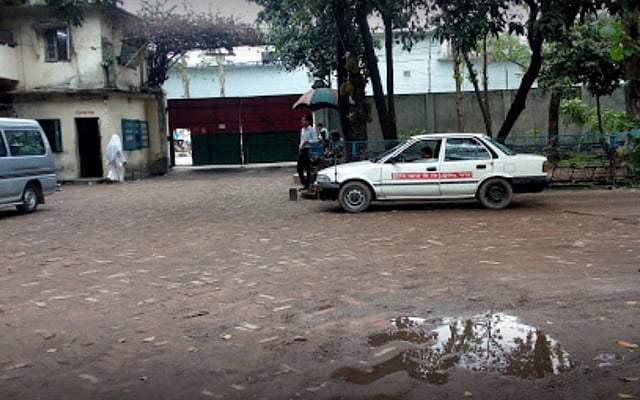
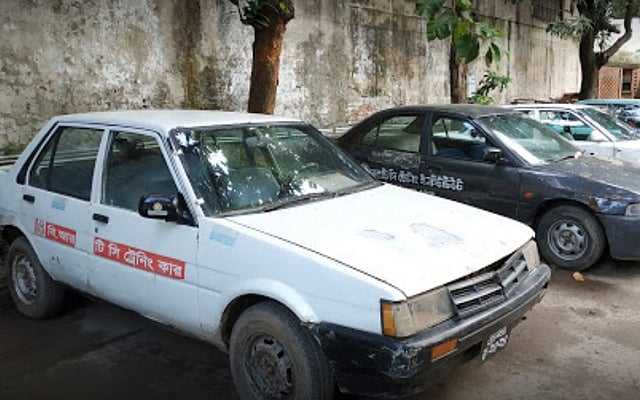
Most drivers in Bangladesh are not interested in driving lessons, but unskilled drivers are often blamed for road accidents.
The industry needs about 1.5 million of skilled drivers but owners are compelled to employ ‘unskilled’ workers due to the lack of training, according to two of the top leaders of transport owners and workers associations in the country.
The leaders noted a lack of awareness, a tendency to defy the law, and using ‘bribes’ as a tool to escape any problem as reasons for this reluctance.
Another issue is the easy availability of driving license training, said an official of Bangladesh Road Transport Corporation (BRTC) Training Centre.
There are institutions providing driving lessons but most of them provide training for small vehicles and cannot produce skilled drivers, he said.
Most of the trainees at both government and private training centres are interested in driving smaller vehicles, while very few drivers of heavy or long-haul vehicles opt for training.
The Bangladesh Road Transport Authority, BRTA considers vehicles abled to carry 3 tonnes in weight as light vehicles, 7 tonnes as medium vehicles and more than 7 tonnes as heavy vehicles.
A driver initially applies for a licence to drive light vehicles initially, and then can apply for the one to drive medium vehicles after 3 years and for the heavy vehicles after another 3 years.
THE TRAINING SITUATION
As of July, 2018, the BRTA has registered around 3.5 million vehicles. There are currently around 1.9 million drivers with legal licence in the country, which makes it clear that over 1.5 million drivers across the country operate without a licence.
As training is not mandatory for a licence, many drivers refuse to get it.
The BRTC can provide training to 22,400 drivers annually at all of its institutes and training centres. But only 8,450 trainees received training in 2017.
Since its inception the BRTC has provided training to only 129,159 drivers.
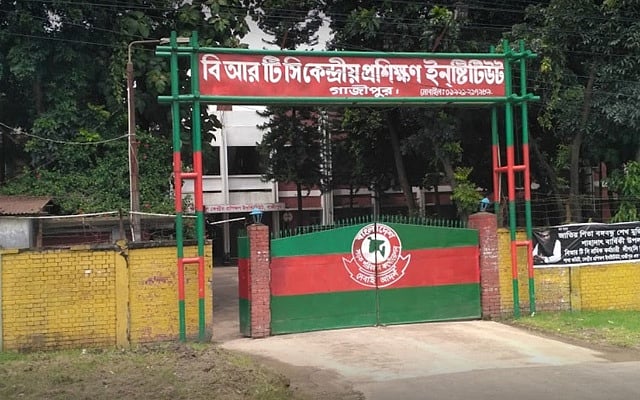
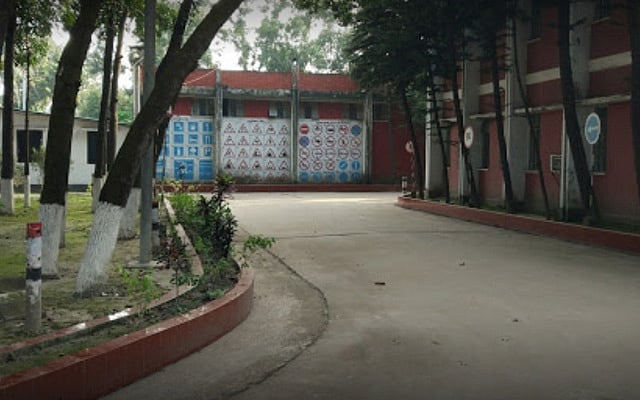
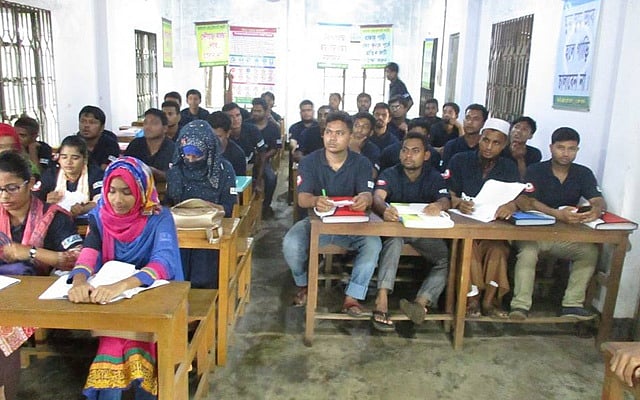
“Our centres are open to everyone but not many people come for training. At present 600 persons are doing the basic driving course with 300 among them learning to drive light vehicles. We have provisions to train 100 persons to drive heavy vehicles but only eight persons are doing the training,” said Fatema begum, deputy-general manager at the Gazipur Training Institute of BRTC.
Training should be made mandatory for issuing or renewing driving licence from the BRTA, she suggested.
“You can upgrade your licence from light to medium vehicle or medium to heavy vehicles but you must receive the training from a training institution. The authority will issue the licence only when you finish the training.”
The BRTA has approved 98 private motor driving schools throughout the country. At least 55 of those schools are in Dhaka and 43 are situated outside Dhaka. Most of these schools provide training to drive light vehicles.
The Nitol Group has opened the Nitol Tata Motors Driver Training School in Kaliachapra in Kishoreganj to create skilled drivers. The institute has trained 6,521 since its inception in 2011, according to principal Lt Col (retired) SM Ali Jihad.
“We can provide training to 600 persons every month but we do not have enough students. At present we have only 129 trainees here,” he said.
Lack of awareness, laziness and loopholes in the law are the reasons for the drivers’ reluctance to receive training, said Abdur Rahim Dudu, general secretary of Bangladesh Road Transport Workers Federation. He stressed the need for organisational training.
“The same people queue for long periods and fulfil all necessary conditions to receive a licence when they go abroad.”
Training cannot be made mandatory to receive a driving licence as there is not enough training institute in the country as of now, said BRTA director (road safety) Mahbub-e-Rabbani.
“We have to prepare the infrastructure before we make the training mandatory or else there will be a crisis.”
The BRTA is working towards establishing training institutes at all districts, he said adding that the issue can be taken up again after the centres are complete.
WHY TRAINING IS NEEDED
‘Skilled driver’ does not mean someone who can just drive a vehicle, but also someone with knowledge of other related issues, said BRTC director (Technical) Col Md Mahbubur Rahman.
“There is no alternative to formal training for a driver. It’s a must. They should learn the rules and regulation, mechanism, traffic system, road behaviour pattern and adapting to the environment.”
“The training centres teach all of these according to international standards.”
Training is not that important when applying for a driving licence but it is important to get a job, especially for the drivers who opt to work overseas, said Gazipur Training Institute Deputy General Manager Fatema Begum.
BRTC training centres offer driving courses that are two weeks to eight weeks long. A four-week-long basic driving course for light vehicles costs Tk 6,000 and the eight-week-long course to learn driving heavy vehicles costs Tk 9,000.
The two-week-long training to upgrade a driver to drive medium vehicles costs Tk 3,500. The four-week training course to learn driving heavy vehicles costs Tk 4,500.
The BRTC also provides training for a two-week course for motorcycles which costs Tk 3,000.
The Nitol Tata Motors Driver Training School also offers different training courses ranging from 15 days to 45 days and the cost of the training ranges from Tk 3,000 to 9,000.













