


Published : 24 Sep 2013, 11:19 AM
Updated : 09 Aug 2022, 11:08 AM


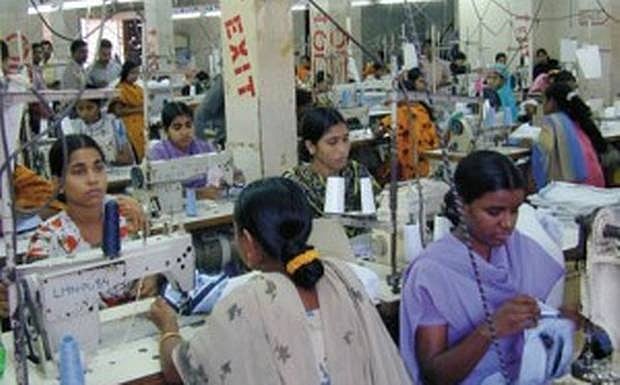
The factory was working on an order of 150,000 pairs of jeans dungarees for a discount supermarket.
Lidl, after learning what the workers are being put through making good their order, said it had invested more than £6 million to improve the living and working conditions in Bangladesh.
BBC's Richard Bilton claims to have footage of Bangladeshi workers locked inside the factory and toiling for more than 19 hours a day for as little as £2.
He said in case of a factory fire, the workers were likely to be trapped and locked inside, facing certain death.
Ha Meem, however, denied that they locked up workers or forced them into 19-hour shifts, terming the evidence “false and baseless”.
The Grocer quoted a Lidl spokeswoman as saying that an investigation into the allegation had begun.
She declined further comment until the probe ends.
Safe and reasonable working conditions have been a contentious issue in Bangladesh's Ready-Made Garment (RMG) sector that accounts for more than 80 percent to the country's export earnings.
When Tazreen Fashions Ltd's factory on the outskirts of Dhaka was engulfed in fire last November, it had more than 100 workers trapped within its locked gates.
Last April, the Rana Plaza collapsed just outside Dhaka killed more than 1,000 garment workers and injured hundreds more.
The BBC Panorama raises the safety issue -- and also one of mindless exploitation, what with 19-hour shifts to meet orders.
Bangladesh is the second largest exporter of ready-made garments behind market leader China.
Cheap labour has brought down production costs and made Bangladesh's ready-made garments a top draw across the world, including Europe and North America.
Around 4 million workers, mostly women, are employed in the RMG sector but they earn as little as $40 per month on the average.
Thousands of RMG workers have been protesting for a hike since last week.
They are asking for a minimum monthly wage of TK 8100 ($100).
Factory owners say they are prepared to pay less than half of that -- TK3600 ($ 45), saying a major hike in wages will ruin the industry's competitiveness in a global economy facing downturn.
More than 150 factories in Gazipur and Savar were forced to close on Monday due to the unrest.
Months of demonstrations in 2010 forced the government and factory owners to agree to a minimum wage of Tk 3,000 -- half of what the Cambodian garment workers earn.
Shipping Minister Shajahan Khan, a labour leader now trying to mediate a settlement, says both the worker's demand and the owners' offer are 'unjust'.
Khan has called for a 'compromise.'
Also Read:
BBC uncovers 19-hr RMG shift












