


Published : 27 Mar 2014, 02:18 PM
Updated : 19 Oct 2022, 07:26 PM


Also Read:
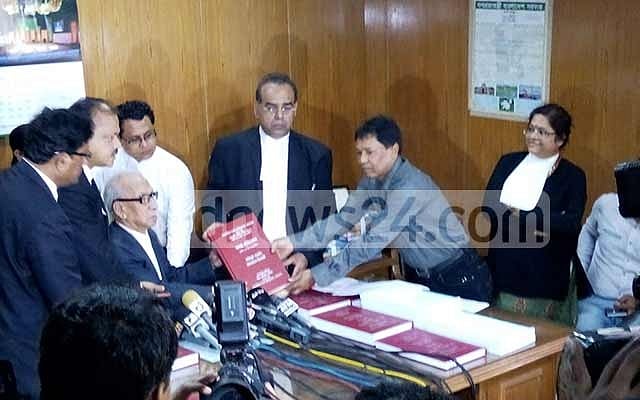
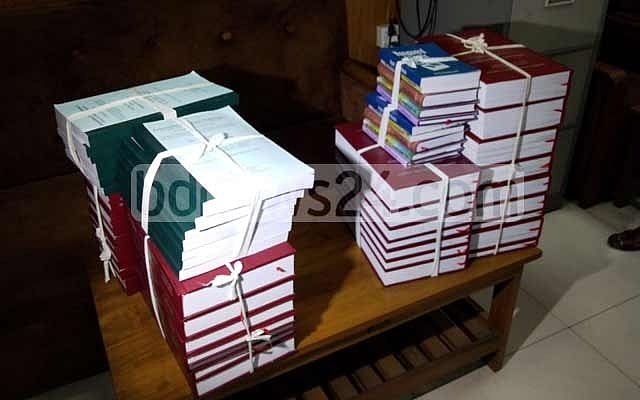
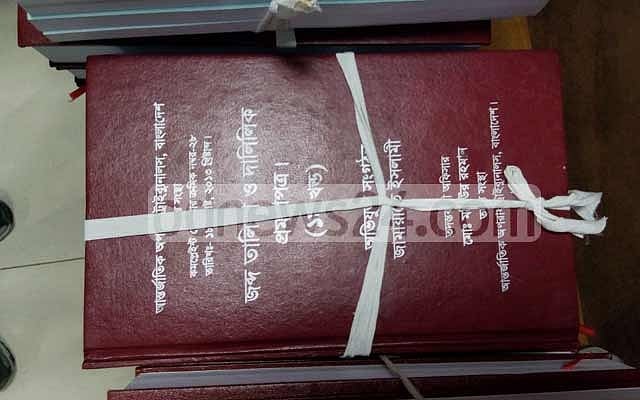
War crimes catch up with JamaatInvestigating Officer Motiur Rahman handed the 373-page report along with 9,557 pages of proof file to Chief Prosecutor Golam Arif Tipu on Thursday.
On Tuesday, Abdul Hannan Khan, coordinator of the ICT's investigating agency, said the report detailing the Jamaat’s role in the 1971 war had been finalised after a probe lasting seven months.
It slapped seven charges of 'crimes against humanity' against the Islamist party, setting the stage for its prosecution for its role in the 1971 Liberation War.
The two war crimes tribunals of Bangladesh have been trying the top leadership of the party since 2010 and several of them have already been sentenced to death or for life.
It is during the trials of its senior leaders on war crimes charges that the anti-liberation role of Jamaat became evident, prompting the tribunal’s investigators to probe charges of war crimes against the party and its affiliates.
The first war crimes tribunal described Jamaat as a ‘criminal organisation’ in its verdict sentencing its top war-time leader Ghulam Azam to 90 years in prison.
The tribunal made similar observations while handing down death sentences to other Jamaat leaders like Delwar Hossain Sayedee, Abdul Quader Molla and Muhammad Kamaruzzaman.
The recent demand for a complete ban on Jamaat first came from the movement of the secular platform, Ganajagaran Mancha, which launched a mass movement in February last year demanding death penalty for 'war criminals' of 1971.
The movement led to an amendment of the law for trial of war crimes, which made it possible to try an entire political party for it, not just individuals.







