


Published : 01 Jan 2016, 01:17 AM
Updated : 11 Apr 2022, 09:32 PM


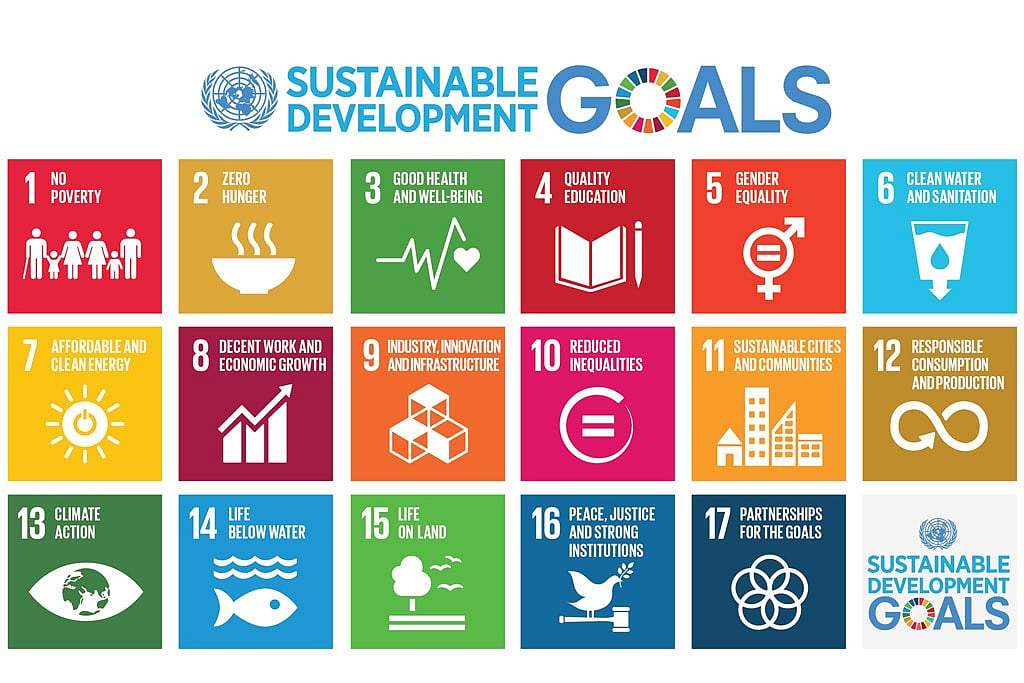
Known as “people’s agenda”, the 17 goals and 169 targets of the SDGs are to promote shared economic prosperity, social development and environmental protection.
Those were set in September after extensive discussions at all levels. Countries will set their own indicators to pursue the goals.
“We are working on it (setting indicators),” Prof Shamsul Alam, member of Bangladesh’s Planning Commission’s General Economics Division (GED), told bdnews24.com.
“It’ll be a new beginning,” he said.
Bangladesh was one of the top performing countries of MDGs, and now looks confident to embrace the new goals with its track record of strong economic growth.
“In the new era, Bangladesh will look different,” he said, “Living standards and the level of income will be much higher in 2030 than today.”
The eight MDGs, adopted in 2000, were aimed at an array of issues that included slashing poverty, hunger, diseases, gender inequality, and creating access to water and sanitation by 2015.
The new SDGs and the broader sustainability agenda go much further, addressing the root causes of poverty and the universal need for development that works for all people.
It calls for “transformation” of “our world”.
Director at the UN Human Development Report Office in New York Selim Jahan, however, said MDGs must not forget to achieve the SDGs.
“It remains an unfinished agenda,” he told bdnews24.com, “Many countries could not achieve the MDGs. So if we say we’ll not talk about MDGs from January 1, then it’ll be a mistake.”
“The MDG’s lessons will be useful for attaining SDGs,” he said.
Countries, however, will need to align their development programmes with the new SDG targets.
Eliminating poverty will also need resources. But the issue of global financing has not been discussed yet.
Jahan said that in the developed countries there have been campaigns after the global recession to cut official development assistance to poor countries.
He said this would put many African countries, who depend on donors even for their revenue budget, in distress.
But for Bangladesh, aid has little importance today with the earnings from garments and remittance over $30 billion.
He said Bangladesh needed “opportunities” for trade, migration and foreign direct investment.
Planning Commission member Alam is also sanguine.
“We need international support, no doubt. But we have internal resources. The government is committed. We have to efficiently use both internal and external resources,” he said.
He said the ongoing seventh five-year plan was already aligned with the new development goals.










