


Published : 24 May 2014, 02:13 PM
Updated : 19 Oct 2022, 07:30 PM


Also Read:
Japan wants Dhaka to look eastAlso Read:
Japanese envoy upbeat on BangladeshAlso Read:
Dhaka-Tokyo ties to get a boostHasina will leave Dhaka on Saturday night in her first bilateral visit since she returned to power for the second successive term by Jan 5 general election.
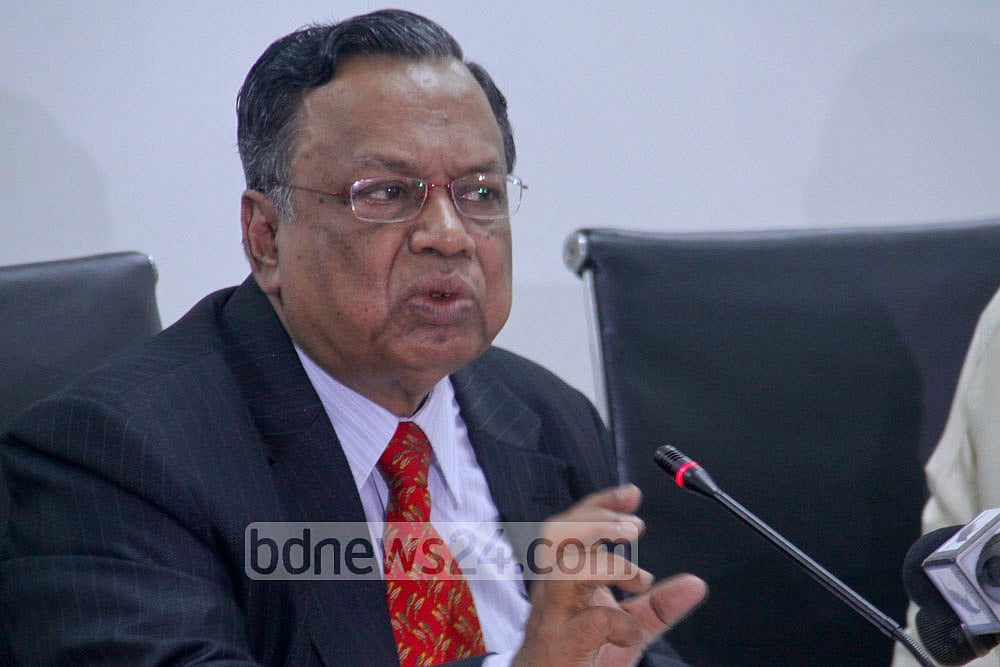
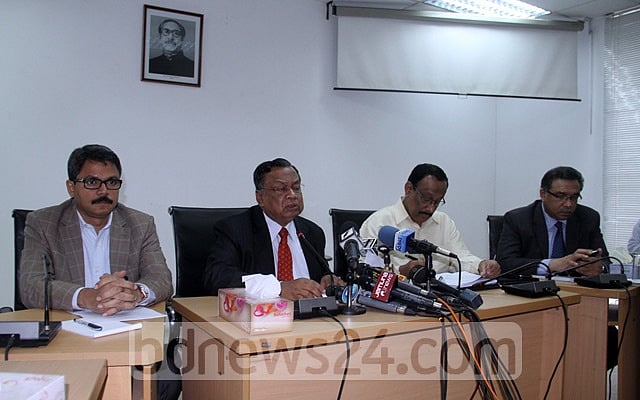
The foreign minister briefing journalists ahead of the visit said the prime minister would take a 109-member delegation including 45 businesspersons in the “crucial” visit.
He said the visit would be “an important step” to establish “a new comprehensive partnership” with Tokyo that Japan sought during its foreign minister’s recent Dhaka visit.
Japan established diplomatic ties with Bangladesh in February 1972 and is now the largest bilateral development partner of the country.
Its assistance comes regularly as grant, aid, technical assistance and soft loan.
The total grants and aid reached $11 billion last year.
The foreign minister said increasing Japanese economic and technical cooperation would be imperative in light of the current government’s foreign policy based on “ ground realities” and its aim to be a middle-income country by 2021.
Against this background, he said, the Prime Minister’s visit was a “timely step”.
“Japan government was also taking this visit very seriously,” he said.
The Prime Minister would hold ‘Summit Talks’ with her counterpart Shinzo Abe.
There would be a joint declaration after the discussions, the foreign minister said.
The Premier would also get an audience with the Emperor of Japan.
Several Japanese ministers would also call on her.
Senior officials of the Japanese development agencies including JICA and JETRO would also meet Hasina.
She would address a business seminar to attract foreign direct investment in Bangladesh and promote bilateral trade between the two countries.
She will also address the students of Waseda University in Tokyo.
The foreign minister said the Premier would also meet Japanese friends who stood by Bangladesh during the 1971 war of independence.
Hasina in her last tenure awarded eight Japanese for their contribution during the Liberation War.
The foreign minister said the visit would give “opportunity” to present Bangladesh government’s steps for the socio-economic development for its people and to highlight possible areas where Japan could cooperate.
He said Bangladesh had noticed Japan’s interest in mega-infrastructure projects and those leading to human resource development.
“Japanese businesses are also looking for new fields of investment. It’s a new opportunity and we want to use this,” he said.
Mahmood Ali said Japanese investors might be interested to invest in the energy, electrical, IT, textile, ready-made garment sector, and pharmaceuticals sectors.
In the last seven years the number of Japanese companies operating in Bangladesh has nearly tripled --from 61 in 2007 to 176 in 2013.
The foreign minister said Japan wanted an exclusive economic zone for their investors and “we also want to give it to them”.
The prime minister would seek Japanese investments in number of mega projects that include Ganges Barrage project, Dhaka integrated flood control embankment or eastern bypass road multipurpose project, and nuclear power plant project that the Premier earlier announced would be built in southern part of Bangladesh.
She would also seek support for a rail bridge parallel to Bangabandhu Bridge over the Jamuna, multi-modal tunnel beneath the Jamuna River, and development of Mawa-Kalna-Narail-Jessore road with a bridge at Kalna.
The foreign minister said there would be discussion on possible Japanese support for a peace-building centre in Dhaka.
He said Japan has played an important role in Bangladesh’s socio-economic development.
Its support had been “continuous" in Bangladesh’s economic, technical and social sectors, he said, terming the bilateral friendship “historic and warm”.
The foreign minister said the Prime Minister would speak to Japanese media including public broadcaster NHK before she returned back on May 29.
She would also address Japan’s national press club.
A week after returning from Japan, the Prime Minister will visit China.
China has been a major backer of the Hasina government since 2009.










