Published : 23 Sep 2026, 01:58 AM
Updated : 23 Sep 2026, 01:58 AM


At the Bangladesh-Myanmar frontier, a strange contradiction is taking shape. Farmers say they cannot get enough fertiliser for their fields, yet sacks of the same commodity are being seized on routes leading towards Myanmar.
Despite surveillance and checkpoints along the border, fertiliser is allegedly moving through different routes in Ukhiya and Teknaf, across the Naf River.
Law-enforcing officials, local representatives and farmers say the trade involves both locals and Rohingya refugees living in camps.
Police case records show repeated seizures of fertiliser allegedly destined for Myanmar. Security officials and analysts say the trade may work through barter, with drugs and weapons coming back across the border.
There are also allegations that urea is being used to make bombs in Myanmar’s conflict zone.
Fields Turn Yellow
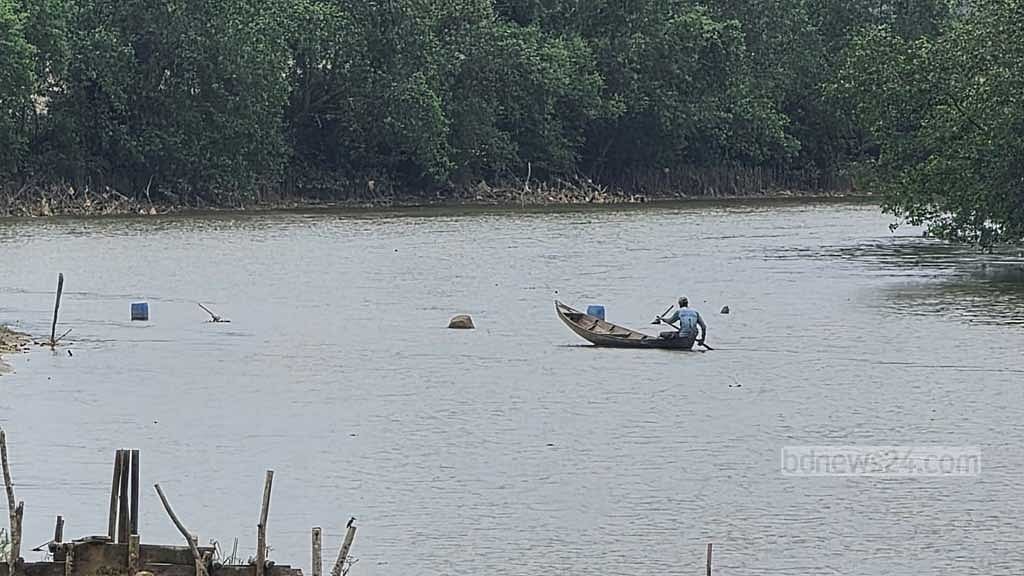
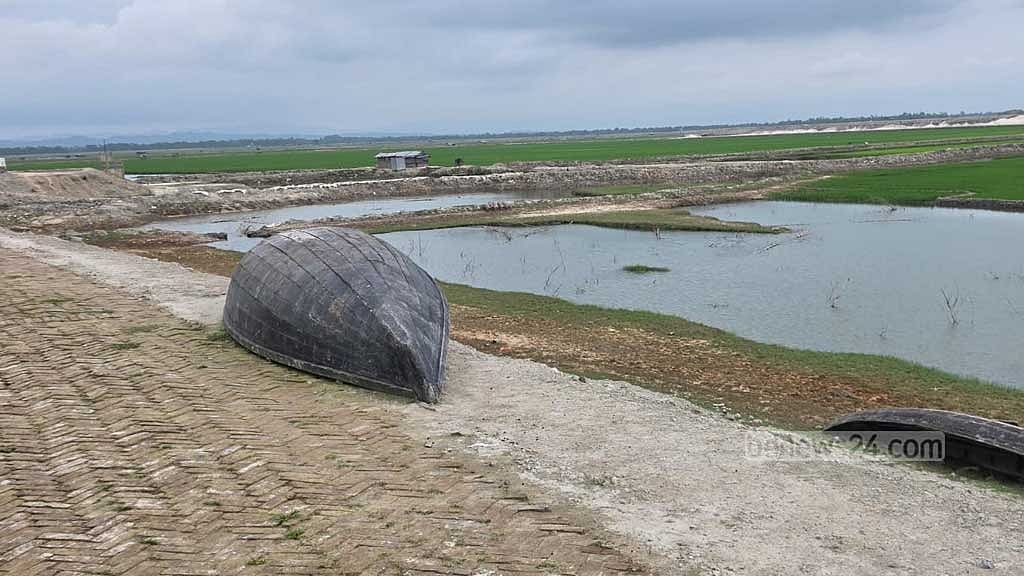
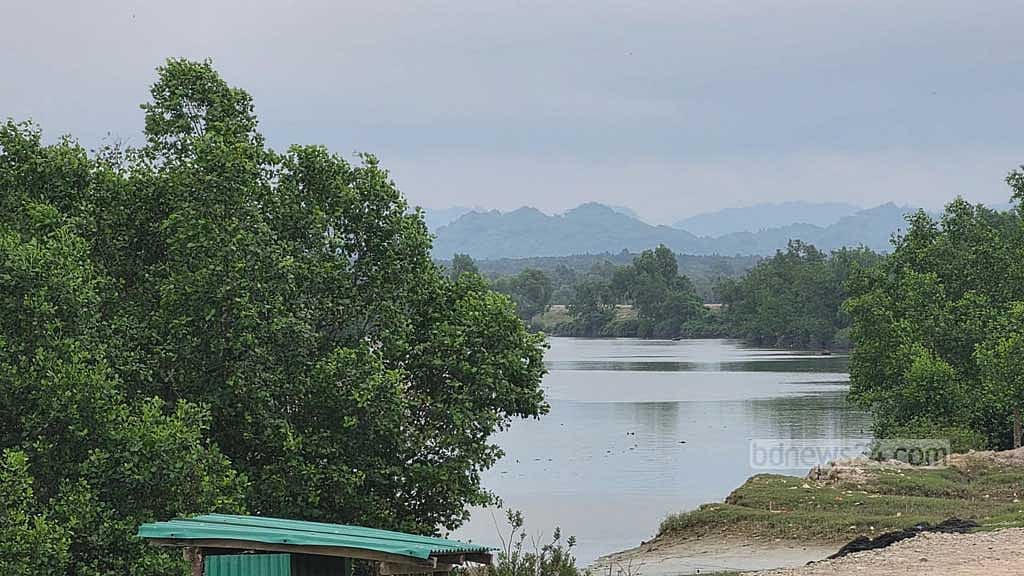
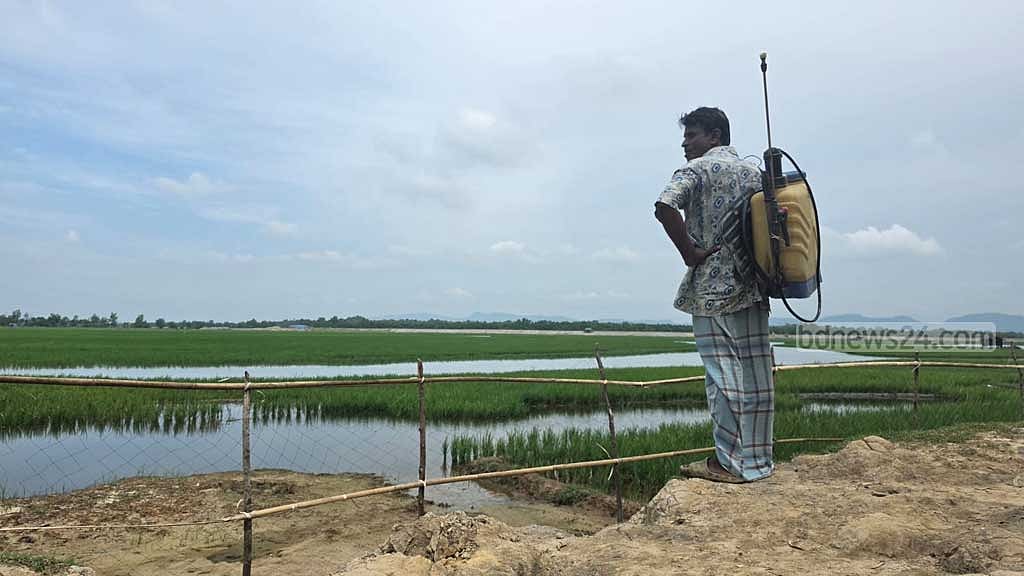
In Ukhiya’s Anjumanpara, Myanmar lies just across the Naf River.
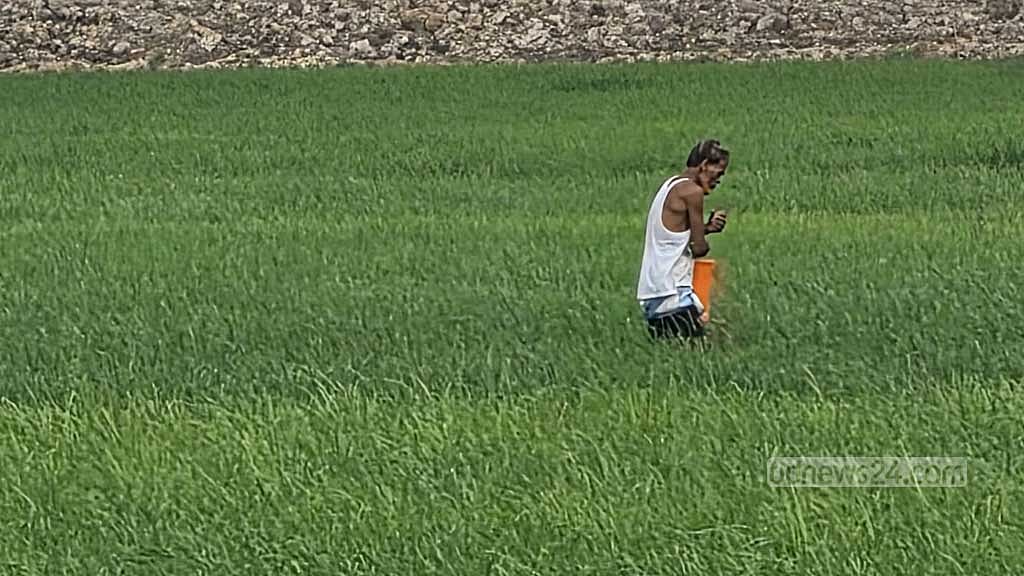
Farmer Moktar Ahmad cultivates nearly 1.1 hectares. He needs about three sacks of fertiliser for one application but says he has not received even a kilogram.
“A large part of the land is turning yellow. I am not getting fertiliser myself, while the BGB is seizing fertiliser,” he said.
Five to seven farmers in the area reported similar shortages, saying their rice plants were turning yellow and growth was being affected.
“When I go to the dealer, they say fertiliser will be given the next day. When I go the next day, they say there is no fertiliser,” farmer Momtaz Mia said.
Yet seizures continue.
Tonnes Seized
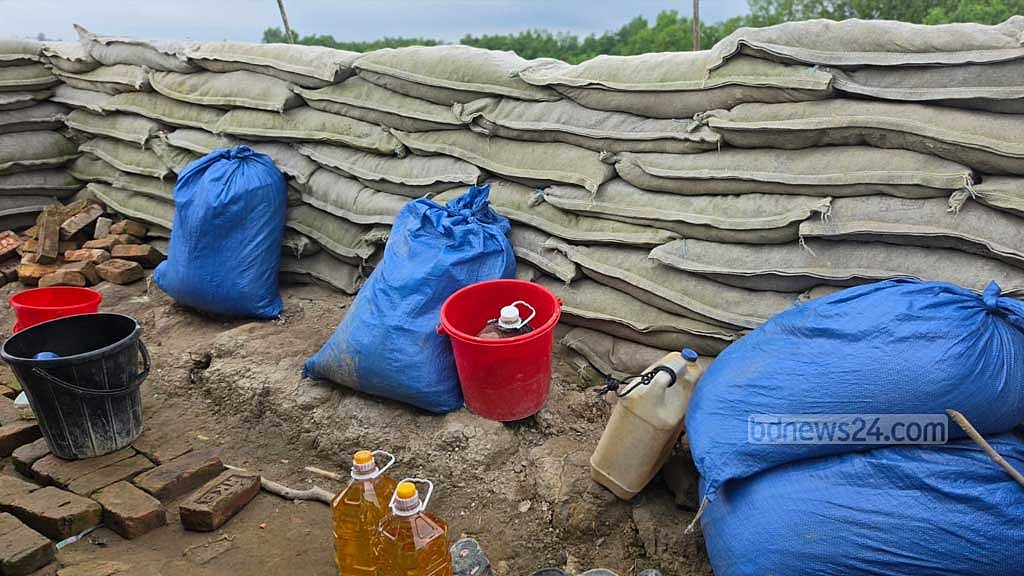
Six cases filed at Ukhiya Police Station between Jun 27 and Aug 27 recorded the seizure of 15,050kg of urea and other fertilisers.
The seizures included 4,500kg of urea in 90 sacks at Anjumanpara on Jun 27, 750kg at Kathaltala Canal on Jun 28 and 1,000kg at Farir Bil on Jun 30.
On Jul 13, police seized 5,750kg in 115 sacks at East Farir Bil. Another 2,750kg of TSP, DAP and urea was recovered from a warehouse in Goyalmara on Jul 18. On Aug 27, police seized 300kg of urea in Anjumanpara.
Most of the cases allege that the fertiliser was being taken to Myanmar.
In June, BGB seized 100 sacks of urea from a mini truck bound for Myanmar through Kutupalong. Those detained reportedly said the stock had been gathered there before being moved towards the border in stages.
In July, the force seized another 13 sacks at the Anjumanpara sluice gate and detained four people, all identified as Rohingya camp residents.
Small Loads, Many Carriers
Residents say smugglers avoid moving large consignments at once.
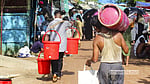
A BGB member said they exploit darkness, waterways and gaps in patrol schedules, carrying fertiliser in small groups and plastic containers or sacks while monitoring patrol movements.
Farmer Moktar Hossain said consignments sometimes move in loads of just 10kg to 20kg, with Rohingya workers used as carriers.
Locals said people wait across the river while boats carry sacks towards them. Some consignments reportedly move towards Naisadong market.
Palongkhali Union Parishad Chairman Md Gafur Uddin said breaking up consignments reduces the risk of detection.
“It shows that instead of taking fertiliser directly to the border in a large truck, dividing it into smaller consignments reduces the risk of smuggling while creating a labour-based network through carriers,” he said.
According to local representatives and farmers, Rohingya labourers can receive up to Tk 1,000 per sack delivered to the border, while boatmen receive about Tk 300.
BGB Battalion 64 Commander Lt Col Md Zahirul Islam said, “We are trying within our limited manpower. However, smuggling has decreased significantly compared with before. If there is sufficient lighting at night, along with a border road and barbed wire, there is a possibility of bringing smuggling down to zero.”

An Organised Supply Chain?
Fertiliser dealers Ibrahim Azad and Selimullah said smugglers cannot obtain supplies directly from them because government allocations are distributed according to farmer lists.
Ukhiya Upazila Agriculture Officer Kamanashish Sarkar said much of the seized fertiliser appears to have been brought in from outside Ukhiya because the quantities seized do not match the area’s official allocation.
On Sept 19, 77 sacks of urea were seized from two locations in Palongkhali. A local agriculture official said an organised group buys fertiliser in Chattogram before moving it through Anjumanpara.
Gafur said vehicles leaving Ukhiya and Teknaf are searched at checkpoints, but those entering are not, making it easier to bring fertiliser into the area.
He identified Goyalmara resident Sona Mia as the alleged leader of a syndicate. His name appears in the Jul 13 and Jul 18 cases. He could not be contacted.
From Fertiliser to Explosives
Ukhiya Police chief Atikur Rahman said urea sent from Bangladesh is used to make bombs in Myanmar.
Urea itself is not explosive under normal conditions, but it can serve as an explosive precursor under certain circumstances. The US Cybersecurity and Infrastructure Security Agency lists urea among chemicals that can potentially be used in improvised explosive devices.
Gafur said he had heard that urea was being used to make bombs in Myanmar. He also said battery acid had been smuggled across the border and seized, and suggested such explosives could be linked to blasts that injured fishermen near the frontier.
Retired major Emdadul Islam, a former head of Bangladesh’s Consulate in Myanmar, said explosives can be made from urea but he had no specific information showing that Myanmar armed groups were making or using bombs with urea smuggled from Bangladesh.
He said armed groups had other sources of explosives, while noting that fertiliser, cement, steel rods and other Bangladeshi goods cross into Myanmar through border trade and smuggling.
Drugs and Weapons in Return
Emdadul said different groups in Myanmar sell weapons to armed groups in Bangladesh and that proceeds from weapons sales could be used to buy fertiliser.
Atikur said subsidised fertiliser is allegedly taken to Myanmar in exchange for yaba.
“If the same network handles both crimes -- taking fertiliser across the border and returning with drugs -- the economic gains from fertiliser smuggling are being combined with profits from the drug trade,” he said.
For farmers along the Naf, the contradiction is stark: an input they struggle to obtain is being seized in quantities allegedly headed towards a conflict zone just across the river.