


Published : 06 Dec 2012, 10:00 AM
Updated : 09 Aug 2022, 04:35 PM


The first war crimes tribunal has directed the UK-based The Economist to explain why punitive action should not be taken for interfering with the trial.
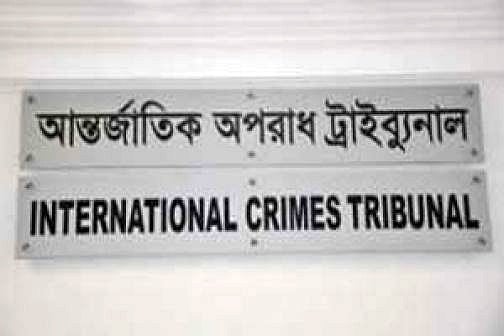
The International Crimes Tribunal – 1, set up to try crimes against humanity during the 1971 Liberation War, directed the British newspaper's chief editor, and its South Asia chief Adam Roberts to reply within three weeks why action should not be taken.
Tribunal Chairman Justice Mohammad Nizamul Huq's email had been hacked, which he realised about two or three days ago. In his order, the Chairman said that a caller from the Economist had asked him questions regarding his exchanges with an expatriate Bangladeshi regarding the trial.
The order said that this breach of privacy and engaging a judge amounted to interference with the proceedings and directed the British newspaper, which had claimed to be in possession of the emails and conversations, to keep his emails confidential.
The duo will have to reply within three weeks.
The order began noting that the Tribunal Chairman and the members were appointed to the tribunal under a new law, which the tribunal chief openly admitted was new to everyone.
Indeed the Chairman has said many times during the trials that this was a new law for the judges as well as the lawyers and as such the tribunal needed cooperation and assistance from everyone. "We are learning" is an oft-heard phrase at the first tribunal.
The order mentioned that the court was working with the assistance of individuals within and outside the court for research and other purposes. Dr Ahmed Ziauddin, a Brussels-based academic, has been one such person.
The order said that the Chairman would seek assistance from Ziauddin from time to time for judgements and orders at the other international crimes cases elsewhere in the world so that the tribunal could give a good order.
Most of this communication was limited mostly to Skype and emails, and the Chairman had realised only two or three days earlier that his accounts had been hacked.
Justice Huq received a call from the noted UK newspaper and the caller claimed to be in possession of the private material exchanged between Justice Huq and the Brussels-based academician.
This breach of privacy and asking a judge of the Supreme Court of Bangladesh questions amounted to interference with the trial process, said Justice Huq in his order.
The order then proceeded to mention that the Economist chief editor and its South Asia bureau chief were given three weeks to reply why action should not be taken against them.
The order also directed them to keep those materials secret and confidential. Although the order had the phone numbers in it, the judge said he would not mention them in court.
This order came in the middle of Jamaat-e-Islami leader Delwar Hossain Sayedee's defence counsel Mizanul Islam's closing arguments. Thursday is expected to be his last day, after which the prosecution has pleaded for a brief rebuttal.
Once both sides are done with summing up their cases, the court may announce a date for giving the order in the first case of the tribunal.










