


Published : 26 Sep 2015, 11:43 AM
Updated : 19 Oct 2022, 06:58 PM



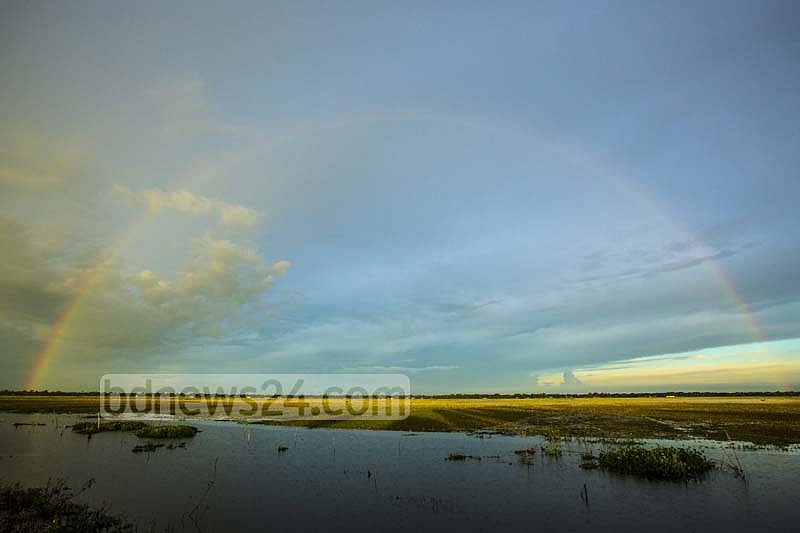

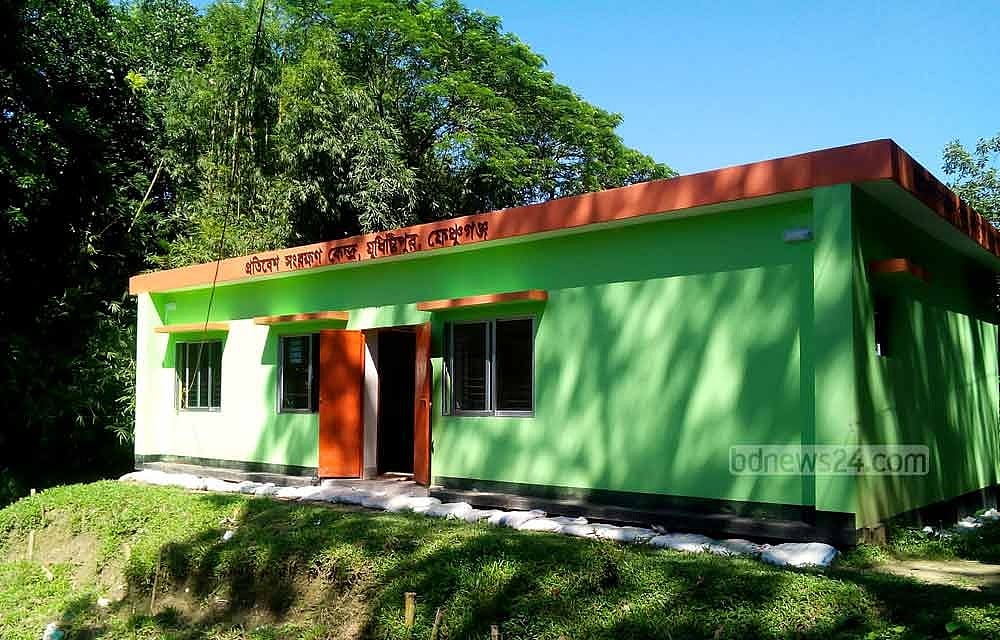
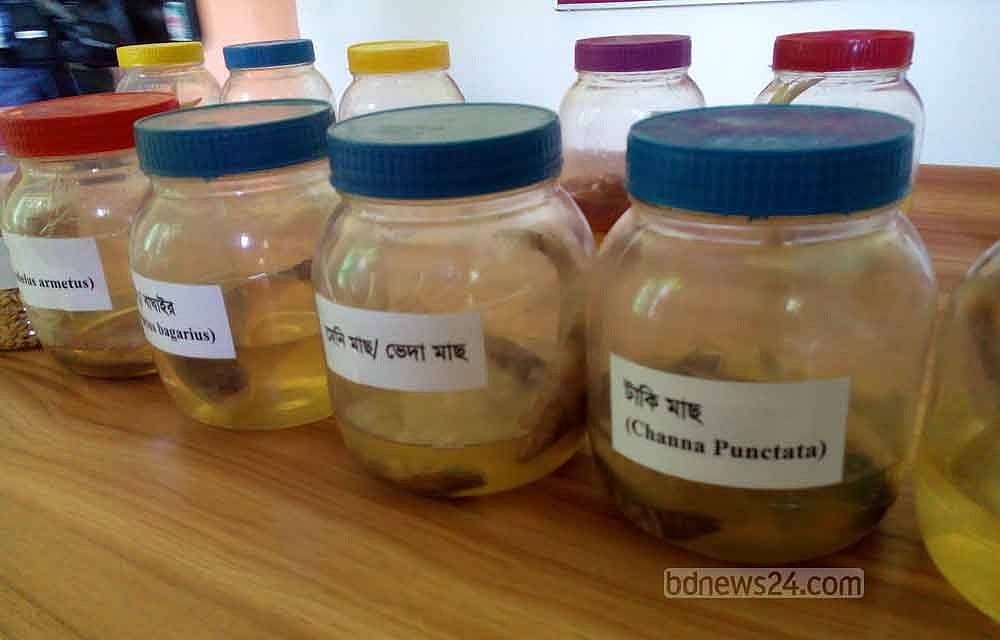
After decades of neglect, deforestation and destruction of aquatic life, those living around it now credit local bodies with appropriate measures for its revival.
Abdul Majid (66) of Fenchuganj's Badedeulia, recalls the plethora of trees, birds and fish in the Hakkaluki when he was young.
"The forests were so dense that our freedom fighters in 1971 would take shelter there away from the prying eyes of the Pakistanis," Majid told bdnews24.com.
"But there was wanton destruction of forests, illegal lumbering became rampant since the 1980s, poaching of wildlife also became rampant."
But Majid, a former border guard, admits things are beginning to change for the better.
In 1999, Hakkaluki was declared an endangered environment site -- one of the 13 such locations in the country that the government itself to protect and revive.
Nazim Hossain Sheikh, an official responsible for conservation of Hakkaluki, claims much has changed for the better in and around Hakkaluki in the last three years.
He said siltation caused by drainage of hilly rivers had choked the arteries of the Hakkaluki water body.
"But in the last three years, there has been systematic dredging at 9 points. That has increased the flow of water; we now have an eight feet draft in the water body even during the lean season. That has brought back enough fish and birds," Nazim Hossain said.
Hakkaluki is spread over 39,398 hectares, but during the lean season, a huge tract in it would go dry. That has changed with dredging.
Environment department's deputy director AKM Rafiqul Islam says the biggest change for the better has been the rise in public consciousness among those living around Hakkaluki.
All living around it now realise this water body has to be saved."
Islam said at least 200,000 trees have been planted in the Hakkaluki area , new habitats for birds have been created and the forests have been revived.
He said the number of Kalem birds had sharply dropped at Hakkaluki. " But now we can see thousands of them.."
28 VCG teams, each with 30 to 50 volunteers drawn from local fishermen, farmers and rural poor, maintain around-the-clock vigil around Hakkaluki.
They get government support, specially for cooperatives formed by them.
Fisherman benefit because the revival of Hakkaluki has ensured a big catch for them.
"Creation of new habitats has been possible by the initiatives taken," says local VCG secretary Helaluddin.
Rafiqul Islam says the government has arranged for pump irrigation, boosting the paddy output in the area.







