Published :
24 Mar 2013, 05:38 PM
Updated :
09 Aug 2022, 10:25 AM
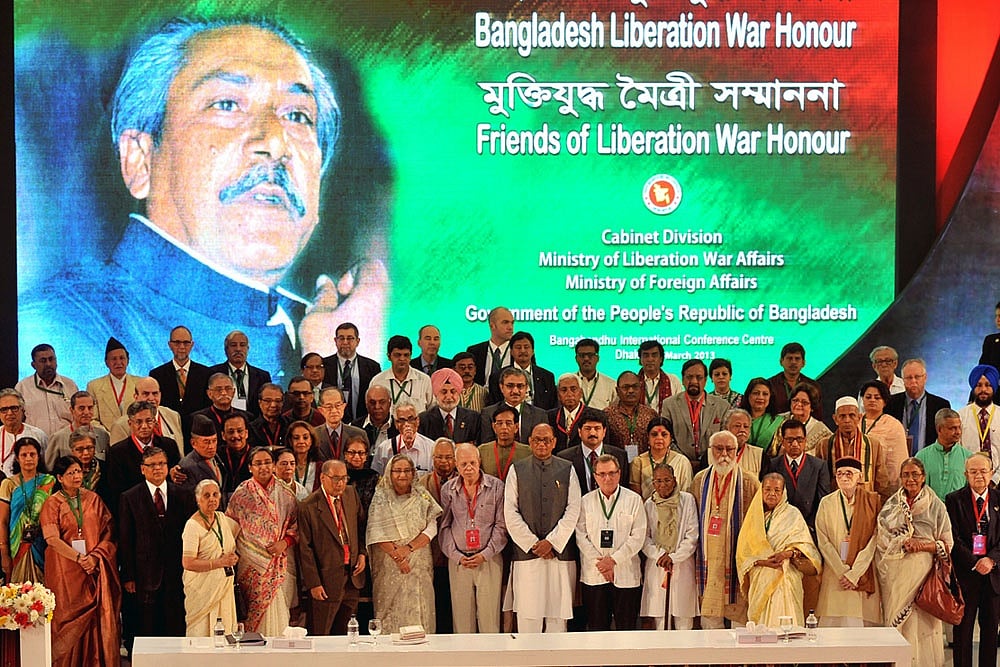
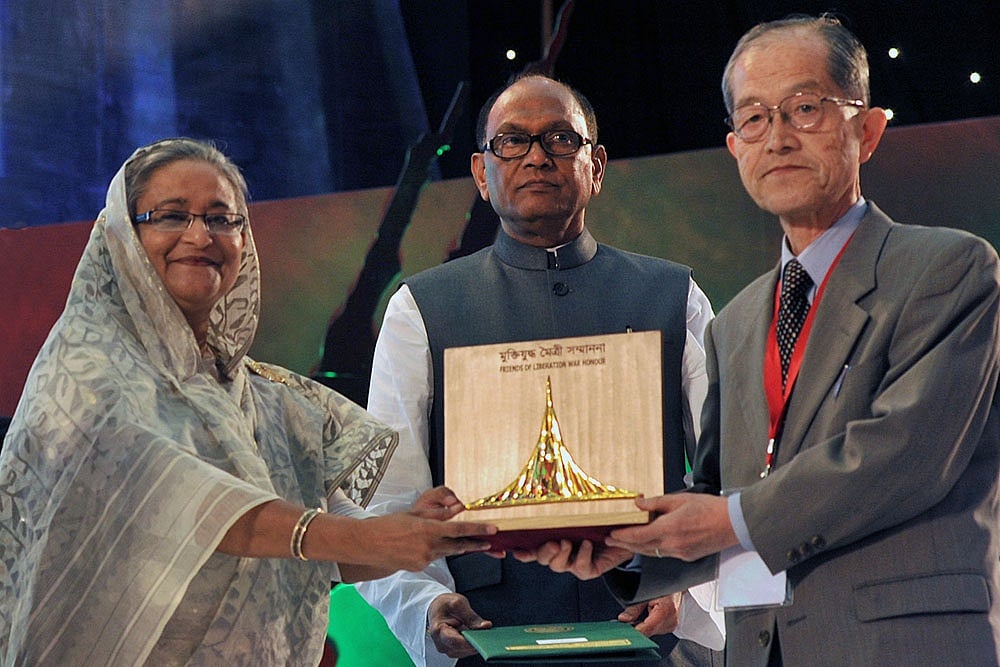
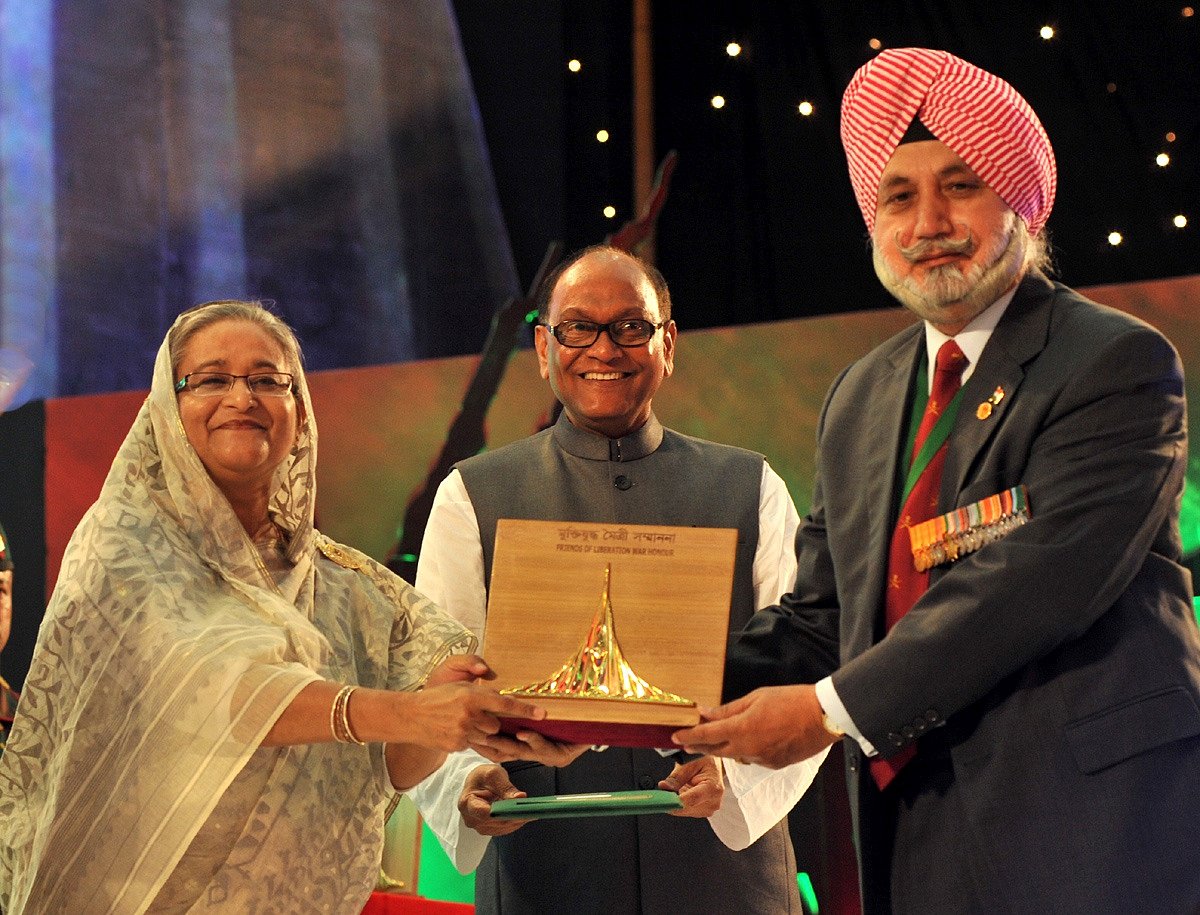
There were 13 Pakistanis among the 69 foreign friends who were given ‘certificate of honour’ by Prime Minister Sheikh Hasina, the daughter of Bangabandhu Sheikh Mujibur Rahman under whose leadership Bengalis fought for independence against Pakistani occupation force.
Guided by their conscience, the Pakistani friends protested the genocide that their military committed on the night of Mar 25, 1971 in then the East Pakistan.
For their role, the Pakistanis were abused and branded as ‘traitors’, with some even being thrown into jails.
Representatives of some of the 13 Pakistanis, many of whom are dead, received the honour on their behalf.

Among the recipients was incumbent central committee member of Pakistan National Awami Party (NAP) Begum Nasim Akhter, who came out on the Mall Road in Lahore along with her comrades to protest the genocide late March in 1971.
Both the families of Nasim and her father had to face harassment for standing for the cause of Bengalis.
On Dec 16 in 1971, when Bangladesh won the war and emerged as an independent state, she rushed to Lahore jail where Bengali students and youths were detained. She chanted ‘Joy Bangla’ slogans and distributed sweets to celebrate Bangladesh’s victory.
Begum Tahira Mazhar Ali led the protest against Pakistani brutality on Bengalis at Mall Road in Lahore and was arrested by the military government in 1971 in Lahore for leading protests.
The human-rights activist highlighted genocide and atrocities in different fora.
Pakistani poet and human rights activist Ahmed Salim was thrown into prison and caned for his poem which depicted the barbarity of Pakistani military.
Another friend of Bengalis, poet, inellectual and journalist Faiz Ahmed Faiz wrote several poems and articles on the oppression and genocide of the people of East Pakistan by tropps.
Professor and journalist Warish Meer rushed to Bangladesh along with a team of students to see the extensiveness of the genocide. Angry with the Pakistani rulers, he wrote series reports in Daily Jang on the brutality.
His son Hamid Meer came to Bangladesh to receive the honour on behalf of his late father, skipping a high-profile event in Pakistan where he was supposed to be given country’s top civil award for his contribution to the media.
A well-known name in Bangladesh too for his write-ups, Meer told reporters on his arrival in Dhaka that 1971 “war criminals would be tried also in Pakistan one day.”
Anwar Peerjada is also among the Pakistanis honoured for supporting Bengalis. An Air Force pilot in 1970, he was sacked and given seven years in jail by a military court for praising the leadership of Bangabandhu and supporting handover of power to him as the leader of majority party in 1970 elections.
After hearing news of the genocide, Peerjada wrote a poem titled ‘26 Mar 1971’ in which he supported the cause of Bengalis.
Habif Jalib, a poet and NAP leader, was put behind bars for his speeches at different forums and poems protesting the genocide.
Pakistani philosopher Ekbal Ahmed carried out campaign in the United States in 1971 to create opinion in favour of Bangladesh’s independence struggles. He was also honoured.
NAP General Secretary in 1971 Mir Ghaus Bakhsh Bizenjo urged military ruler General Agha Mohammad Yahya Khan to hand over power to Bangabandhu and later his party stood for Bangladesh during the Liberation War.
Malik Golam Jilani, then Vice-president of West Pakistan Awami League, was jailed for writing an open letter to Gen Yahya Khan following arrest of Bangabandhu on Mar 25, 1971.
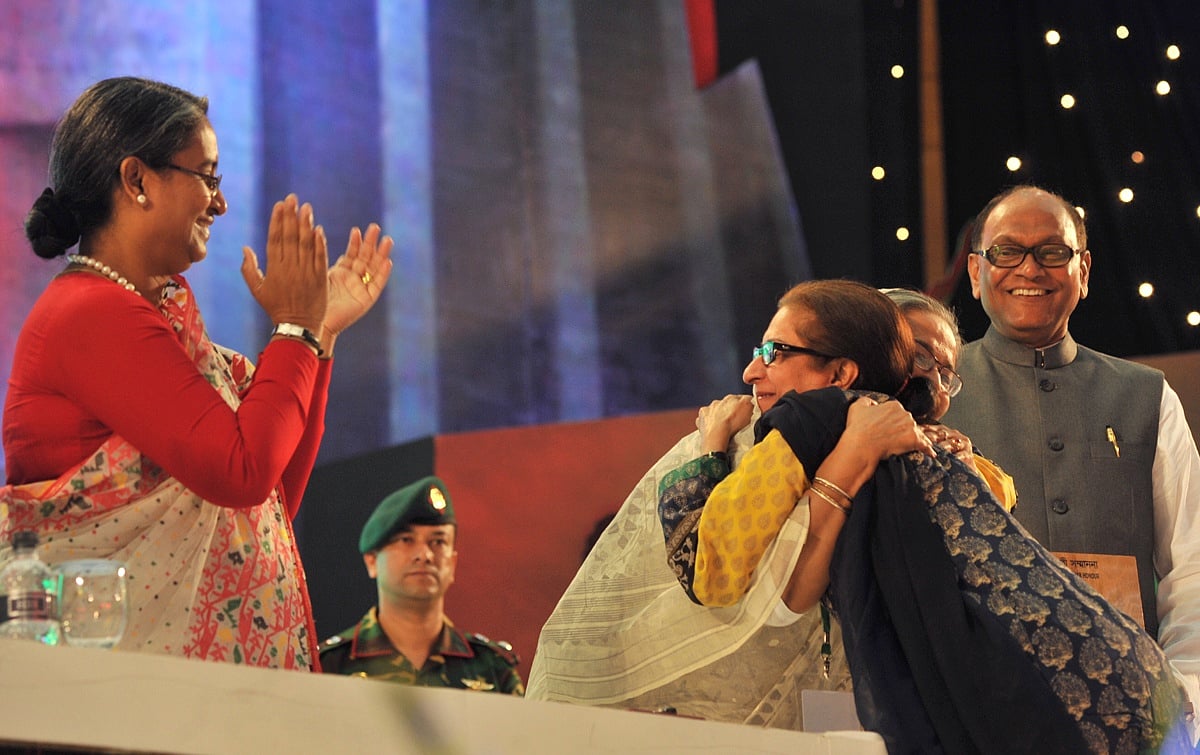
Jilani’s daughter, renowned human-rights activist Asma Jahangir, received the honour on her father’s behalf.
Honour was also given to Kazi Fayed Mohmmad, who was a Senior Vice-president of All Pakistan Awami League and an associate of Bangabandhu. He made a lot of efforts to put an end to the oppression and killing by Pakistani army and to secure release of Bangabandhu.
Following independence, he came to Bangladesh without passport and expressed his willingness to Bangabandhu to settle here.
Shamim Ashraf Malik was the one who drafted the statement issued by 44 Pakistani intellectuals and political leaders protesting Sheikh Mujib’s arrest and demanding his release. Malik’s wife Nasim Akhter was also vocal for Bangladesh’s independence.
Lawyer Zafar Malik was pursuing the legal battle for those sued for supporting the cause of Bengalis during the Liberation War. Apart from signing the statement protesting Bangabandhu’s arrest, he waged a movement for his release. He had to undergo huge troubles for his role.
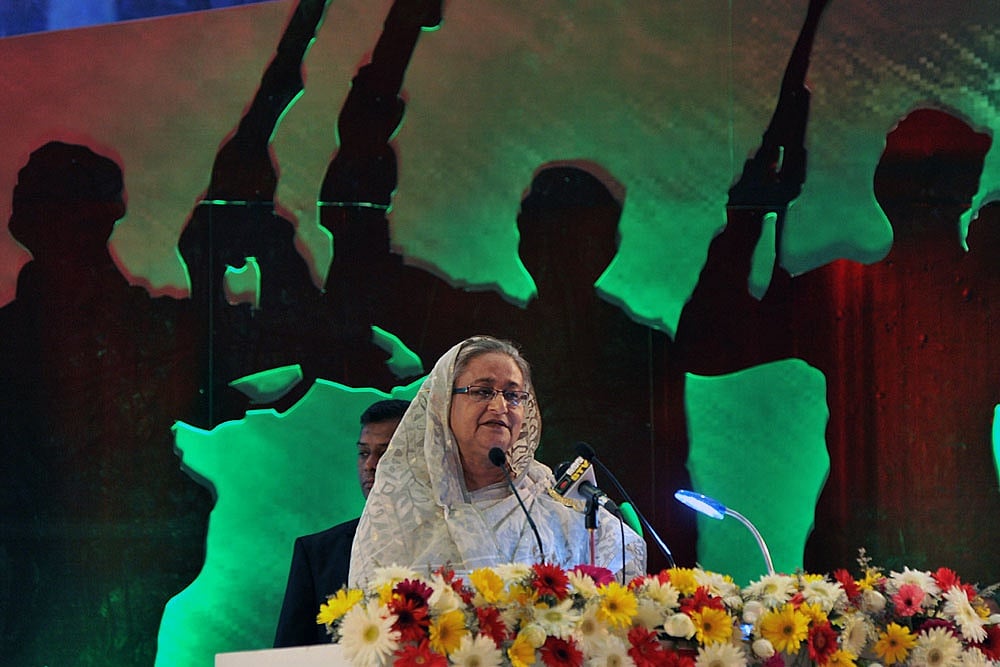
Honouring the foreign friends, the Prime Minister said: “Your all-out support and sympathy were greatly needed during that juncture of Bengali nation.”