


Published : 27 Apr 2014, 10:27 AM
Updated : 19 Oct 2022, 07:28 PM


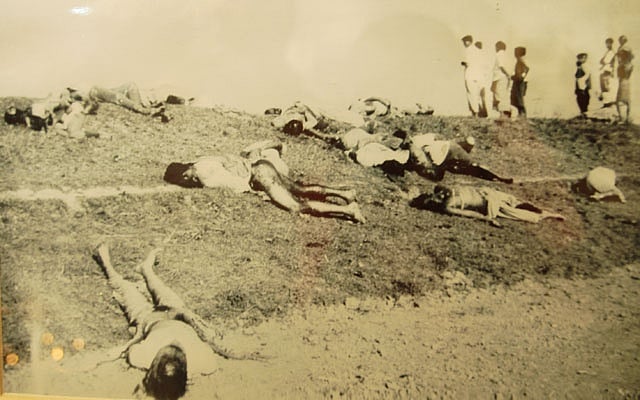
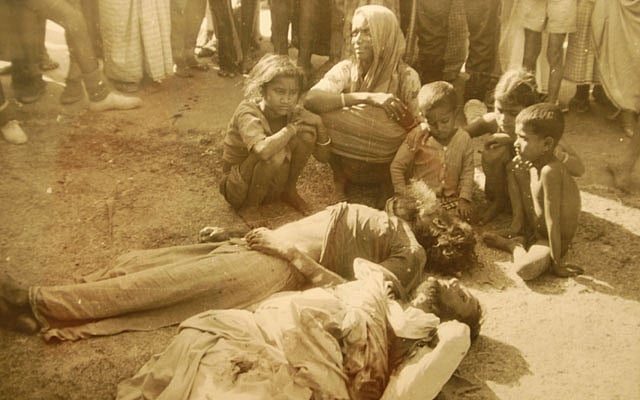
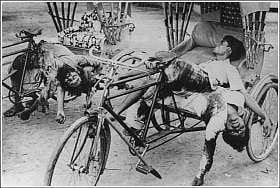
Writing in the 'Pakistan Observer', retired Colonel M Hanif also questioned the death of three million people and the rape of 200,000 women in 1971, dismissing them as 'hearsay' propogated by the Awami League.
He called Bangladesh’s 1971 war of independence as “Indian engineered separatist struggle” and said India wants “tense relations” between AL and BNP since “Pakistan-Bangladesh relations have been good” in times of BNP governments in Bangladesh.
Hanif now works for the Islamabad Policy Research Institute’ (IPRI), which is known to be close to the Pakistani military establishment.
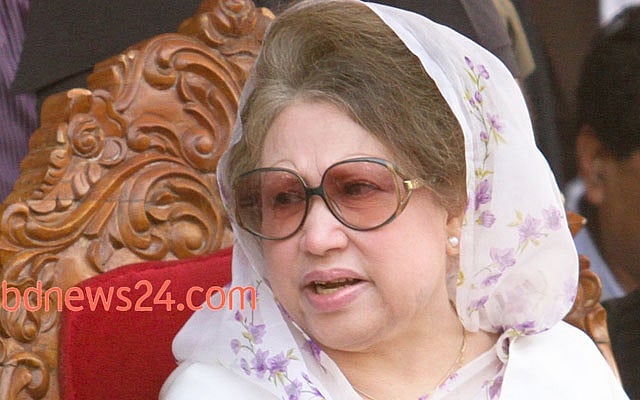
Headlined “Sham trials in Bangladesh”, Hanif's article apparently praises BNP Chairperson Khaleda Zia for going “so far as to publicly reject the legitimacy of tribunals”.
Citing observations of different global organisations, Hanif observes that the institutional design of the international crimes tribunals “itself creates much suspicion”.
But what would stun many is Hanif's attempt to portray the Pakistan army as innocent -- he claims in the article that it remains “conscious of human rights by not harming civilians or innocent people” in any war.
He said the Awami League (AL) leaders have been asking for trial of Pakistani army officers “on the direction of India” to tarnish Pakistan’s image internationally.
The Jamaat is an ally of the BNP.
The Awami League led government started the war crimes trials after it took power in 2009 to bring to book those responsible for the mass murders and rapes during the 1971 Liberation War.
After the execution of Jamaat's Abdul Quader Molla, Pakistan's Jamaat-e-Islami protested angrily saying he was hanged only because he supported Pakistan army in 1971.
The Pakistan parliament also adopted a resolution after the execution of Molla. Bangladesh officially responded to it by summoning Pakistan’s High Commissioner in Dhaka and asking for non-interference in Bangladesh's "internal affairs".
But retired Colonel Hanif says in his article: "Whatever killings, tortures, rapes and other human rights violations might have taken place in 1971, were mainly the doing of those Bengali groups involved in the conflict with major share of it done by the Awami League activists who were blindly killing and torturing and insulting people to get their cooperation by creating fear of terror”.
“To understand the question of atrocities alleged to be committed in the internal strife in the then East Pakistan in 1971 and Bangladesh (BD) Awami League (AL) government’s politics of recently held trials of alleged war criminals, it is necessary to review the nature of political conflict in 1971 in the then East Pakistan,” he wrote.
“Indian involvement in complicating the political scenario there which led to the Indian engineered separatist struggle started by Awami League activists culminating into Indian attack on the then East Pakistan, in support of Indian trained Awami League separatists, led to formation of Bangladesh”.
He said while AL activists “continue to blame members of Bangladesh Jamaat-i-Islami, Biharis, BNP and Pakistan Army for committing atrocities and talk about conducting their trial, they do not want to try their own fellows who had committed countless atrocities on those Bengali people who were opposing separation from Pakistan”.
“As far as Pakistan Army is concerned, it was initially trying to restore law and order, later it was battling with Indian engineered guerrilla war of Awami League separatists and then it fought war with India.
“In these operations it (Pakistan army) had no concern for people not directly involved in the conflict. It also made serious efforts to avoid collateral damage,” Hanif wrote.
He said the successive governments in Bangladesh since 1972 had “remained silent” on war crimes trial of 1971 “internal strife” mainly to achieve "sustainable internal peace through national reconciliation".







