


Published : 16 Feb 2013, 08:06 AM
Updated : 23 Apr 2022, 04:21 PM


One of the largest linguistic groups in the world but divided by a bloody Partition, Bengalis finally came into their own to stand up for their language rights. As they braved the guns of the Pakistani security forces, the language movement unfolded with the martyrdom of the men who fell on 21st February. Now the world observes the day as “Mother Tongue” Day to emphasize the inalienable human right to speak in one’s own mother tongue.
February 1983 was the month of protests against autocracy. A liberated nation denied democracy by military rulers rose to protest and several fell in police firings on 15 February. But the banner of rebellion they unfurled finally brought down the military dictatorship of General H M Ershad seven years later and gave Bangladesh the democracy it now enjoys.
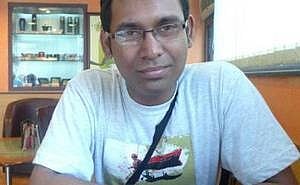
February 2013 has turned out to be the month of protest against religious fundamentalism, a month of revival of the Spirit of the Liberation War in 1971 that turned out to be an abnegation of the religion-driven politics of 1947. This is the month when secular Bengali nationalism is rediscovering itself, reliving the legacy of 1952 and 1971. Architect and Blogger Rajib Haider, murdered by suspected fundamentalist who he abhorred and wrote against, is the first matyr of this Bangla Spring.
As his distraught father sobbed and recollected the memories of his murdered son, the thought crossed his mind that Bangladesh stands free and liberated , but not exactly free of the killers and collaborators who lend their weight to the Pakistani war effort in 1971 and turned the conflict into one of the bloodiest internal conflicts of our times. Nearly three million dead in eight months , quarter of a million women dishonoured, the lush green plains of Bengal red with bloods of millions. The independence arrived through a ‘sea of blood’ but the evil was never weeded out. Even foreign writers who wrote on Bangladesh, men like Lawrence Lifschultz, saw the “Unfinished Revolution” coming at some stage.
Looks like it has started now in February 2013 with the life sentence for Abdul Quader Molla providing the trigger. The cyber warriors who mobilised the protestors at Shahbagh have taken their first hit. Blogger Rajib Haider lay murdered, his throat slit like the millions who died at the hands of the killers of 1971. The protestors have not fled in fear after Rajib’s murder. On the contrary, the protests have found new energy. Initially deciding to limit the protests to seven hours a day, the protestors have now gone back to protesting round-the-clock. The movement that calls for a ban on religion-driven politics and death for the war criminals perhaps heralds the beginning of Bangladesh’s “Unfinished revolution”.










