Published : 15 Nov 2026, 06:44 PM
Updated : 15 Nov 2026, 06:44 PM


Bangladesh is seeking new ways to finance its debt, including tapping international capital markets through dollar bonds in New York, a Bangladesh-focused equity fund in Hong Kong, and Samurai and Panda bonds.
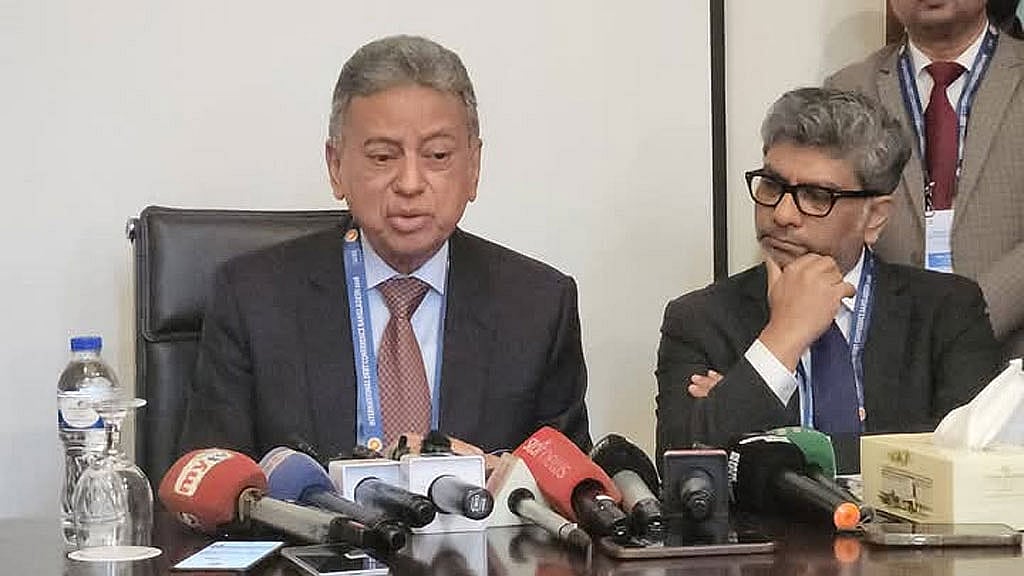
The government also plans to raise funds through local-currency Sukuk and foreign-currency bonds, Finance and Planning Minister Amir Khosru Mahmud Chowdhury said on Sunday.
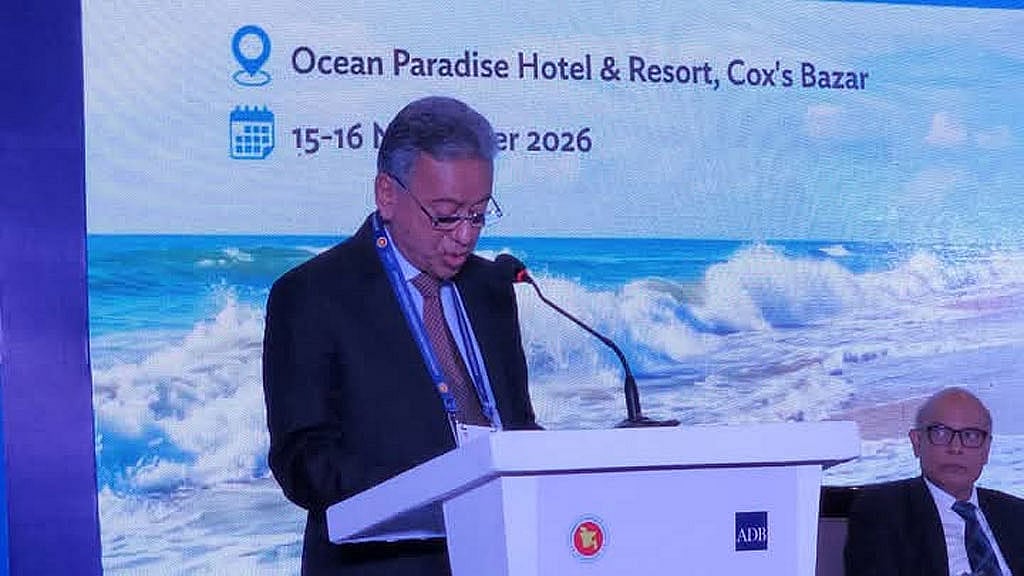
Opening the two-day International Debt Conference Bangladesh in Cox’s Bazar, he said changing global conditions made it essential to diversify beyond multilateral and bilateral loans.
The aim is to balance equity, domestic bonds and foreign bonds to lower borrowing costs. Relying on banks or a single source would not be sustainable, he said.
“Debt will grow as the economy expands. But it would not be right for debt to grow faster than economic growth,” he said, stressing that repayment capacity must keep pace.
He said borrowing quality mattered more than volume. Funds must go to sound projects that generate returns, create jobs and consider environmental impacts.
A briefing note said public debt stood at Tk 18.89 trillion, or 36 percent of GDP, on June 30, 2024, up Tk 5.45 trillion in two years.
Total external debt, public and private, had reached $104 billion, compared with $23.5 billion in 2009.
Interest payments exceeded Tk 1 trillion in fiscal 2023-24, while payments on foreign loans reached $3.4 billion. Reserves fell from $48 billion in August 2021 to about $20.5 billion in July 2024.
The note said reserves exceeded $30 billion in June 2026. Government borrowing from Bangladesh Bank fell from Tk 567.5 billion in June 2024 to Tk 4.82 billion two years later. The 91-day Treasury bill rate dropped from nearly 12 percent in June 2025 to 8-9 percent.
Still, foreign debt repayments rose to $4.5 billion in fiscal 2025-26 and could reach $5.5 billion by 2029-30.
The minister said higher tax revenue was vital. The government plans to separate tax policy from revenue collection at the National Board of Revenue, expand the tax base and digitise VAT and income tax.
It also plans regular debt bulletins, a central Debt Management Office, an annual borrowing plan and a medium-term debt strategy for greater transparency.
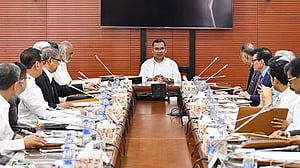
The conference, organised with the Asian Development Bank, brings together lenders and experts to discuss debt risks, domestic bond markets and new instruments.
Bangladesh aims to build a trillion-dollar economy by 2034 and prepare for graduation from least developed country status in 2029.