


Published : 19 Jun 2020, 09:28 PM
Updated : 17 Oct 2022, 11:08 AM


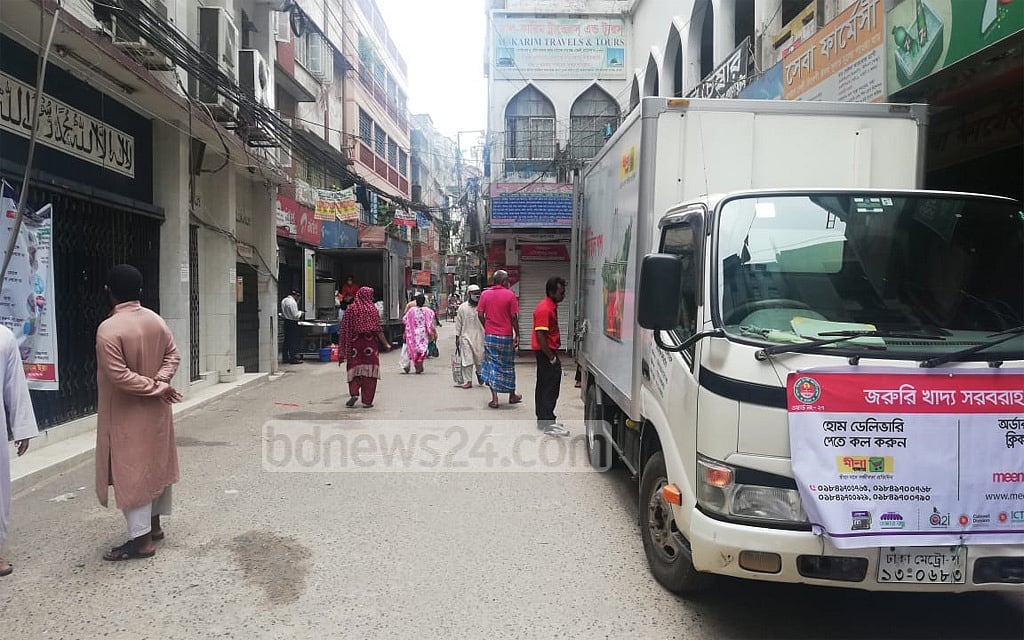
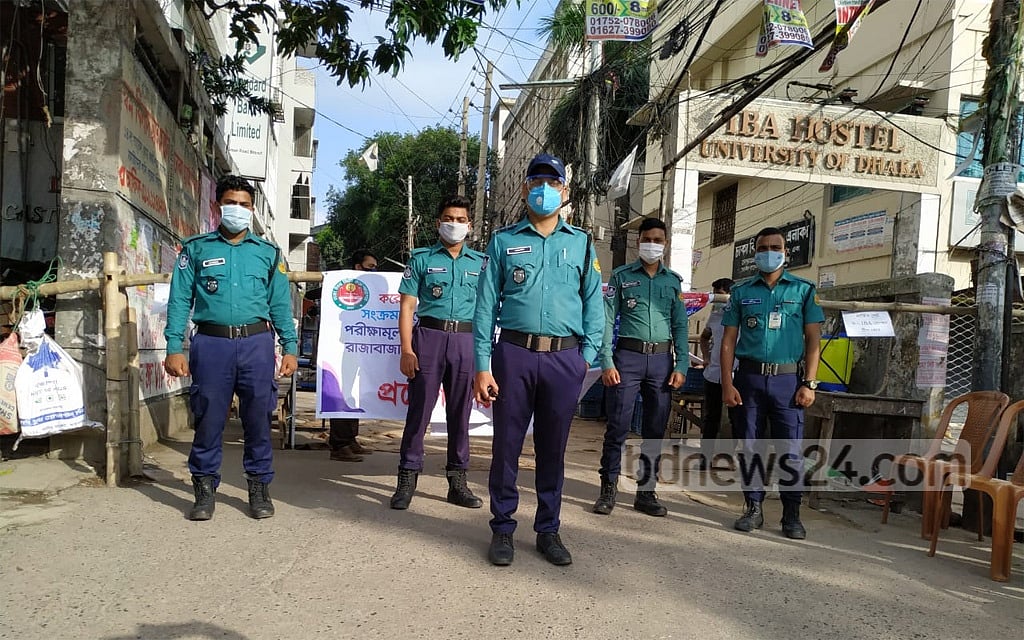
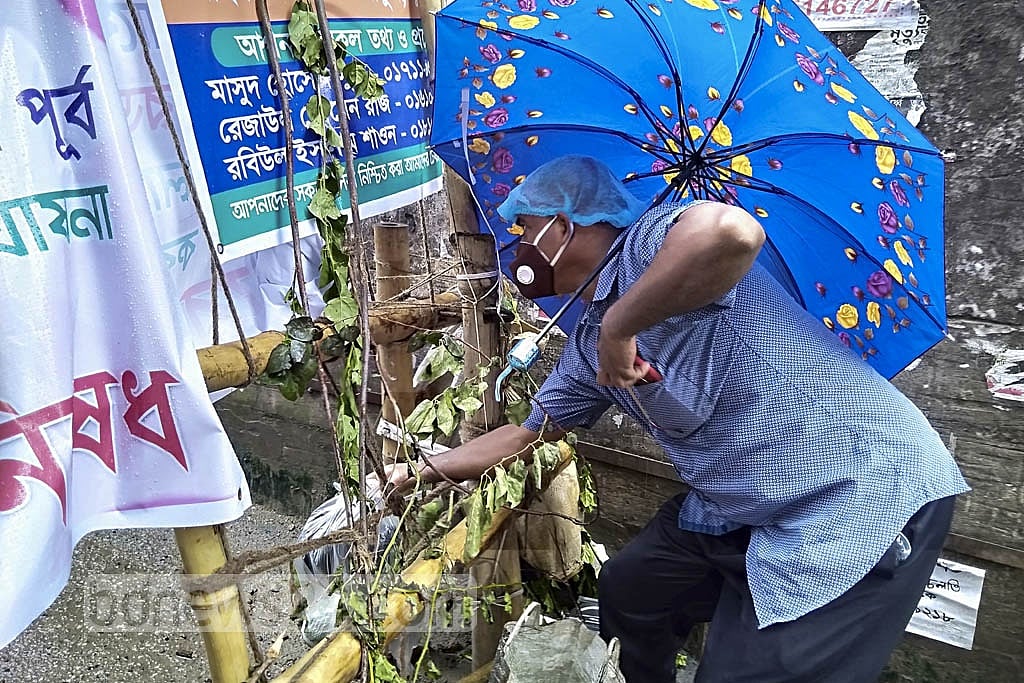
However, some residents of Rajabazar have been left aggrieved by the lockdown curbs which have not only disrupted the course of ordinary lives but also triggered a spike in prices of essentials, according to them.
The tally of coronavirus infections has since crossed 100,000 in Bangladesh, the 17th worst-affected country in the world by some estimates, and has shown little sign of ebbing away, leaving some residents to question the efficacy of another round of lockdowns.
East Rajabazar is home to almost 50,000 people, including 16,000 registered voters. As many as 31 cases of COVID-19 had been reported when the area went under lockdown but the tally has since risen to 60.
“The virus has kept on spreading and nothing seems to stop it. So what's the point of keeping us confined? We will follow the health directives if we are allowed to go on with our lives,” said Mohiuddin, a resident of East Rajabazar.
The locality was completely sealed off at midnight on Jun 9 as part of the government's latest initiative to contain the outbreak based on the prevalence of the disease.
Only the Naznin School Road is accessible to residents in cases of emergencies, for which around 200 volunteers, including city corporation workers, have been stationed there. Another 20 teams are working to identify the areas visited by an infected person and trace their contacts for quarantine.
The army has been deployed to the area to monitor the situation while representatives of the local council, police personnel, IEDCR officials and teams of doctors and voluntary health workers also stand ready to collect samples and assist residents.
Speaking to bdnews24.com, a woman, asking to remain anonymous, complained that the price of food and other essentials are much higher in the locked-down zone than other areas. "Those who have money can afford it but what about us who belong to the middle class?"
The city corporation has reserved provisions for the poor or middle-class groups whose livelihoods have been affected by the epidemic.
Local Ward Councillor Faridur Rahman Khan Iran, however, believes the number of infections would have been much higher without the restrictions.
“There are 60 cases of COVID-19 infection in the area now. The tally would’ve been higher had the stringent lockdown measures not been applied.”
While the initial implementation of the lockdown was a bit haphazard, the situation has since become much more orderly, said Golam Murtaza, a resident of Rajabazar's Amtola.
Despite being reasonably content with the experimental lockdown, many locals called on the government to take steps to ensure that non-COVID-19 patients have easy access to healthcare services.
Meanwhile, professionals working in private companies also had some troubles because of the restrictions at first but they have now adapted to the work-from-home routine.
‘Farhana’, a doctor representing BRAC, told bdnews24.com that samples are collected from 10 am to 4 pm every day in the area. A total of 137 samples were collected over the last few days.
However, she believes the process could be much smoother if the contact details of sample collectors are printed and distributed through leaflets rather than being announced over microphones as many people are struggling to note them down.
The Sher-e-Bangla Nagar police have been tasked with maintaining law and order in the area.
Although there were a few hitches initially, the situation in the area is now under control due to greater awareness about the dangers of the disease among residents, according to the police station's OC Jane Alam Munshi
However, some people will still find an excuse to venture outside but the police are yet to take any legal measure against anyone for violating lockdown rules, he said.
Three patrol teams are also monitoring neighbourhoods and alleyways to prevent gatherings although law enforcers remain mindful of dealing with any situation humanely, OC Munshi added.
Relatives deliver food, groceries and kitchen staple to residents of East Rajabazar in Dhaka as the area, a coronavirus red zone with high infection and death rates, has been on complete lockdown since Jun 9.
He admits that several disgruntled residents have shared their frustrations about the curbs with him. "But I've explained to them that there's no other way to limit the spread of the virus."
Bangladesh lifted the nationwide lockdown over the coronavirus outbreak on May 31 and allowed offices and transport services to reopen at a reduced capacity over a 15-day transitional period.
But as the number of coronavirus cases and deaths continued to surge, the government decided to divide areas into three colour-coded zones – red, yellow and green - based on the prevalence of the disease. The coronavirus hotspots throughout the country would be flagged as red zones which would then come under complete lockdowns to curtail the risk of infection. The yellow and green zones will be subjected to fewer restrictions under the initiative.
Asked what needs to be prioritised in the areas facing a complete lockdown, OC Munshi stressed the need to notify residents about the 'do's and don'ts' during the shutdown at the outset.
"People need to know who and where to call during an emergency. They need to be clear about who to call if someone falls sick and these numbers along with other details must be provided to every household."
"The key is to ensure that people's basic demands are met while taking into consideration the means of the families that are living in the locked-down zone. To that end, the number of low and middle-income households must be determined beforehand."













