


Published : 30 Apr 2018, 06:18 PM
Updated : 19 Oct 2022, 02:11 PM


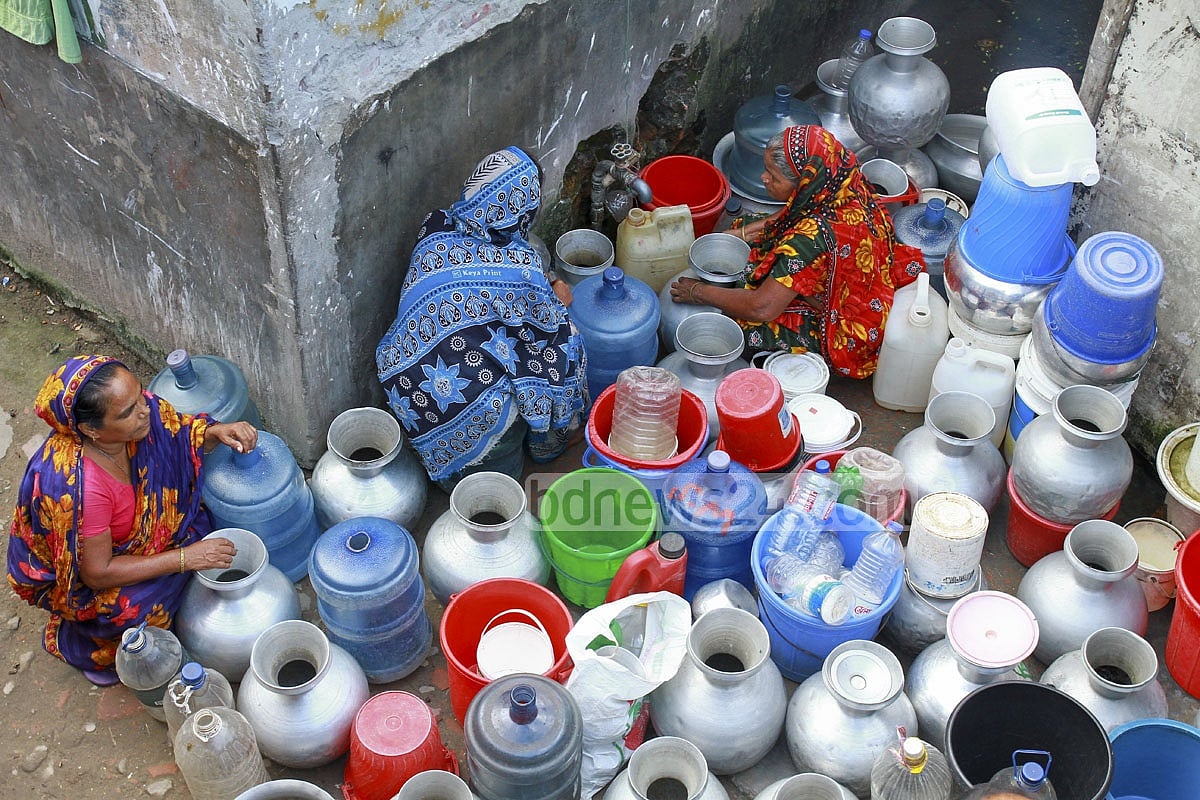
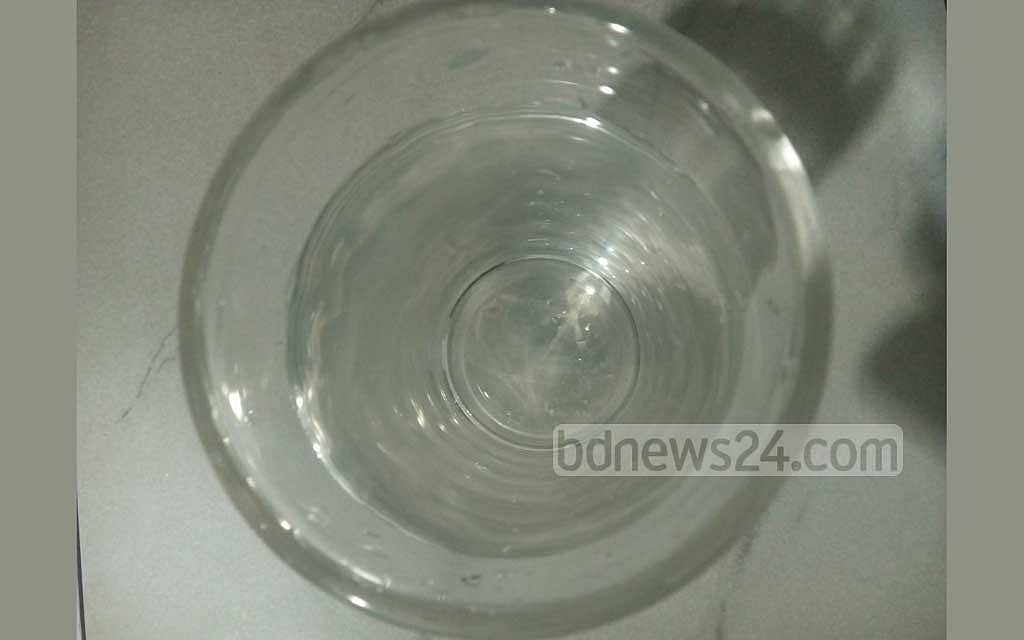
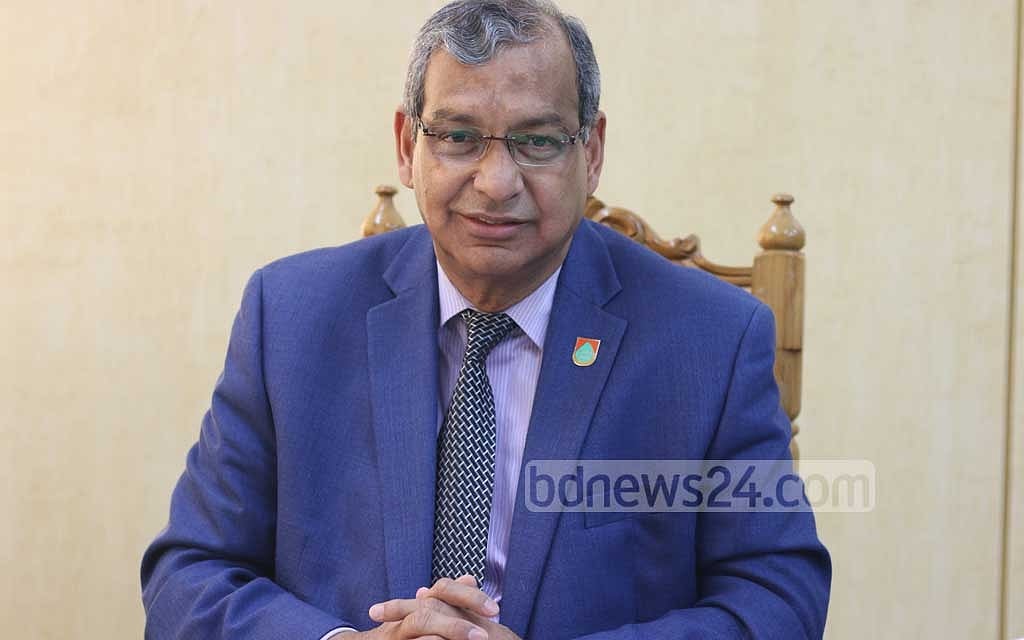
Water supplied by Dhaka Water Supply and Sewerage Authority is ‘much better’ now, claims its Managing Director Taqsem A Khan. He expressed his hope that WASA’s tap water would be ‘drinkable’ by 2021.
But the reality is different as patients suffering from diarrhoea throng city hospitals, even before summer has set in, which doctors attributed to unsafe water.
People have been complaining for long against WASA, a water supplier to 20 million people in the capital, for its stinky, filthy water.
Only 56 percent of the population in Bangladesh has access to safe water, said Liakath Ali, director of programmes and policy advocacy at WaterAid Bangladesh, citing a report by the United Nations Development Programme and UNICEF.
Dhaka is no exception.
The capital has demand for 2.35 billion litres of safe water, according to the information provided by the local government minister last year. Dhaka WASA has a capacity to pump up 2.45 billion litres of water.
At least 1.7 billion litres of water are pumped up through deep tube-wells of WASA while another 6 million litres of water is supplied from Buriganga and Shitalakkhya rivers through treating them in five water treatment plants.
However, the treated water ends up being filthy and stinky due to glitches in supply lines in different areas.
In many cases, people boil water before drinking although it does not help always and cause waterborne diseases.
Many of the residents have opted to use water purifiers. Some of them boil water before putting in purifiers for their satisfaction. However, they are not confident about the effectiveness of the water purifiers.
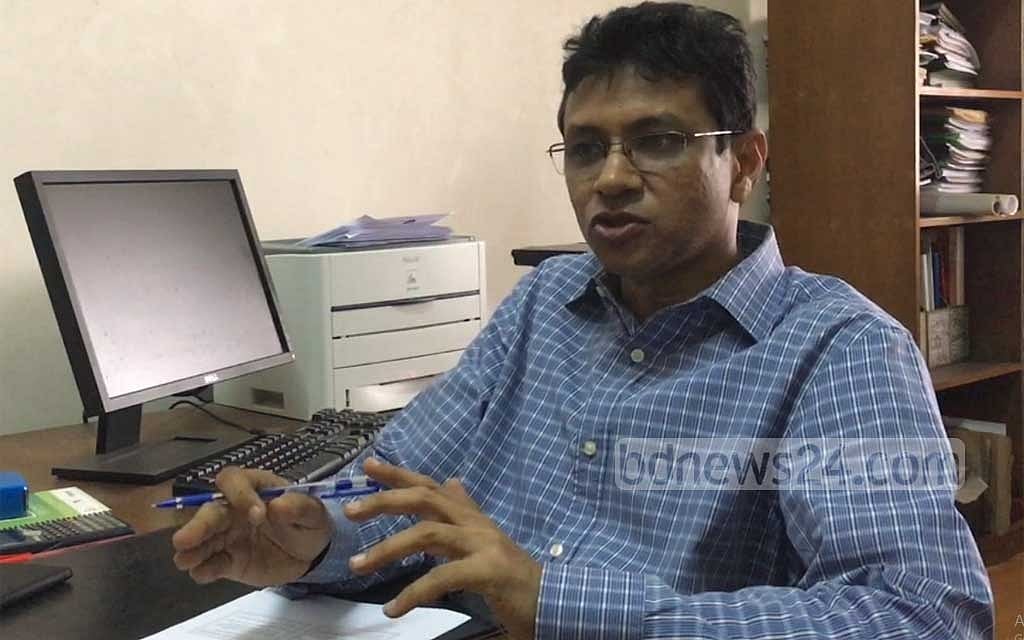
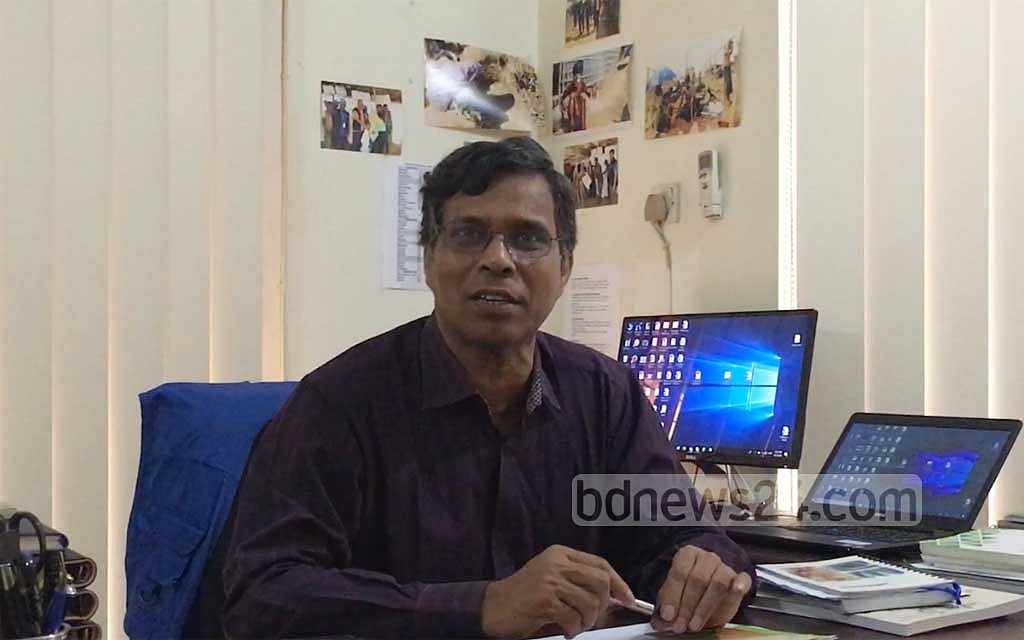
WASA water is safe at the source, said Professor Ashraf Ali of Bangladesh University of Engineering and Technology. He said it gets contaminated in supply lines and overhead household tanks.
However, people living in slums or densely populated areas suffer the most.
“Slum dwellers buy water from a third party paying extra. It will stop when WASA supply them water directly,” said Prof Ali adding WASA has already started it in some places.
The collected water may become unsafe or contaminated at the end although it has been safe at the source, said WaterAid official Liakath Ali citing a study on slum dwellers.
“It becomes contaminated if water touches nails or someone touches the glass without washing hands after using toilet,” he said.
Professor Ashraf Ali
Lawyer Imtiaz Ahmed from Old Dhaka told bdnews24.com he opts for both boiling water and using a purifier as he cannot rely on a single means.
Official of an international organisation Raihan Sultana Toma said she drinks boiled water at home, jar water at work and bottled water while moving outside home and office.
“Nothing is completely safe, but boiled water is better as I boil it myself,” said Toma.
Bangladesh Standards and Testing Institution or BSTI has no comments on the water supplied by Dhaka WASA. The national quality controlling agency has remained silent on the issue of purifiers used in households in Dhaka.
It only ensures the quality of commercially sold water, like bottled water or water sold in jars, said BSTI official Md Reazul Haque.
Anyone can pay BSTI and do necessary tests to know the quality of water, he told bdnews24.com.
BARC Director Monirul Islam drew attention to necessary minerals in water. “The minerals that you get in WASA water are absent in the water in jars,” he said.
“In reality it never contains minerals although the producers call it mineral water,” Islam said based on his research on 35 brands of bottled water.
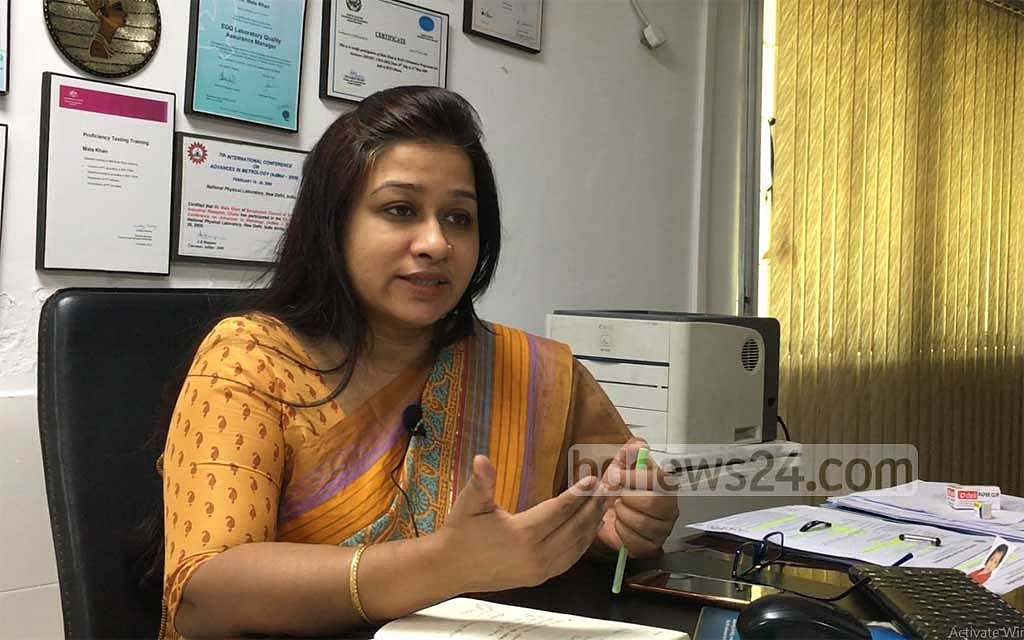
Although Bangladesh Council of Scientific and Industrial Research or BCSIR is supposed to validate the quality claims of any product, only one brand of water purifier—Unilever’s ‘PureIt’ has opted for the validation, said Dr Mala Khan, director of Designated Reference Institute for Chemical Measurements in BCSIR.
“Producers would not come for validation if the quality is not as they claim; also some people are unaware of this service,” said Dr Khan.
“It is not a one-time task like inspection but has to be continued. If someone claims their device can purify 2,000 litres of water, then we have to check after 500 litres as well as after 2,000 litres. We need to ensure all of their claims are correct,” she said.
There are 800,000 customers using PureIt throughout the country with 70 percent of them being Dhaka residents, according to Unilever.
WATER FOR SUSTAINABLE DEVELOPMENT
The millennium development goal or MDG had focused on the accessibility of water which has reached 97 percent in Dhaka, although it should be counted as 84 percent leaving out the arsenic contaminated water, said Water Aid Official Liakath Ali.
He said now focus should be on ‘safe water’ for all to reach the sustainable development goal or SDG.
Unilever Bangladesh has expressed its interest to take part in the initiative ‘Safe Water for Everyone.’
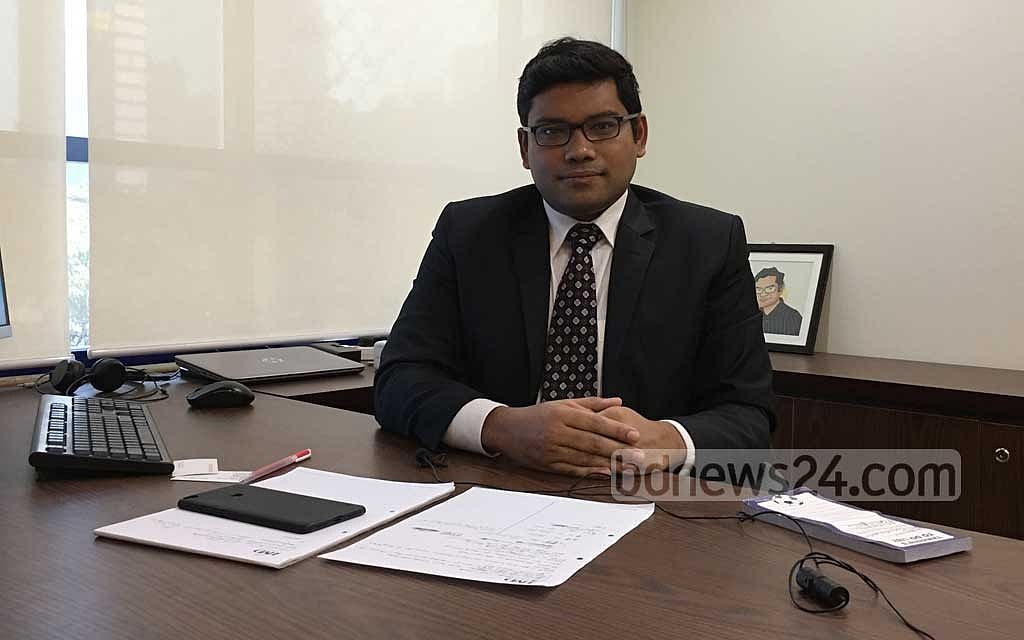
Taqsem A Khan
Unilever has already taken steps to distribute PureIt through an NGO.
“We want to create ‘water entrepreneur;’ it will be a means of income for them if the women from NGO do the sales and servicing,” he said.
“We want everyone in Bangladesh to drink safe water within their means; we will also help the government to attain this goal,” said Ferdous.
“The quality of water has become better than before. Although almost 80 percent people drink tap-water at present, we do not declare it formally as we do not know if the water is contaminated somewhere in the supply line and ask people to boil water for 10 minutes before drinking” said WASA MD Taqsem A Khan.
“We can tell people the following in 2021: you are ready to drink tap-water,” he said.
He mentioned acknowledgement by the Asian Development Bank for WASA for becoming one of the best water utilities in the region from an inactive agency.
He said WASA is working to bring all slums in the capital under legal water supply coverage and 60 percent of it has been already done.
“We hope to ensure water connections for all of them by 2018.”













