Published :
20 May 2014, 11:46 PM
Updated :
08 Aug 2022, 06:47 PM
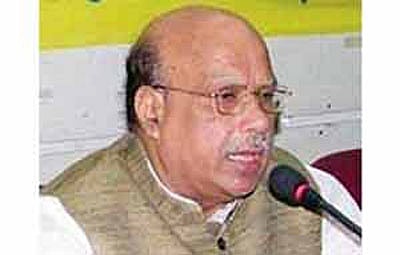
Health minister Mohammed Nasim made the appeal at the WHO’s world health assembly in Geneva on Tuesday, describing Bangladesh as ‘a climate victim’.
He said Bangladesh was one of the most climate-vulnerable and among the worst climate-victim countries of the world, despite being contributing the least to climate change.
He also cited Bangladesh’s efforts to face the consequences of climate change but said despite its “best efforts”, Bangladesh lacked adequate capacity, scientific expertise, and resources to face the detrimental health effects of climate change.
His speech was themed on the link between climate change and health for the sustainable development goal.
It is less than 500 days away from developing the post-2015 development agenda.

The minister said Bangladesh would welcome and remain ready to work closely with global partners to set “a well constructed, ambitious and forward looking” post-2015 development agenda.
He said the relationship of climate change and health deserves inclusion in the sustainable development goals.
He said climate change brought seasonal and demographic change in Bangladesh, resulting in changes in disease patters and deaths.
He cited the “most conservative” estimates and said they indicated, within the next 80 years, 17 percent of Bangladesh’s land area would go under water following a one meter rise in the sea level.
He said population of this area would be forced to move to high land areas, creating a huge socio-economic and health related burden.
The minister also said that thousands of health facilities and hundreds of hospitals would go under water, compelling the country to build new health facilities in higher areas.
He also mentioned that the water and vector-borne diseases had already started taking new epidemiological patters.
For examples, he said, diarrhoea, cholera, enteric fever, hepatitis, malaria, kala azar, dengue, nipah virus, avian influenza, rabies were all showing new seasonal patterns.
New diseases like chikunguniya and Japanese encephalitis had emerged, he said.
He said global public health was already suffering because of a shortage of essential medicines, an alarmingly high rate of antibiotic resistance, and shortage of health workers.
Climate change will further exacerbate global health disparities, he said, urging all WHO member states to treat the issue with utmost seriousness.