


Published : 21 Nov 2021, 05:41 PM
Updated : 14 Oct 2022, 07:02 PM


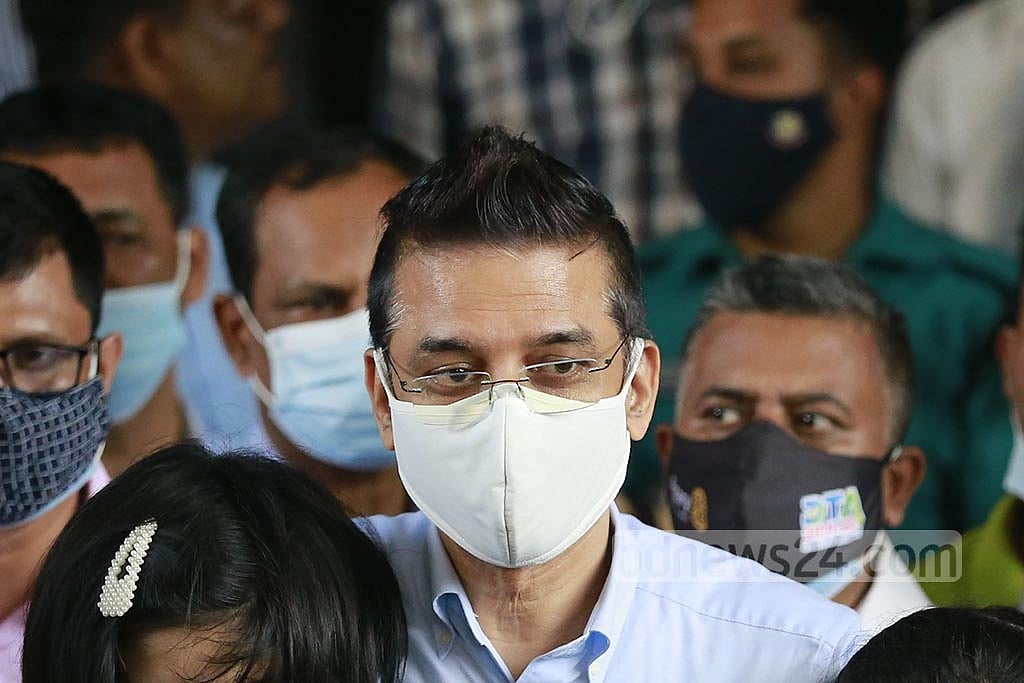
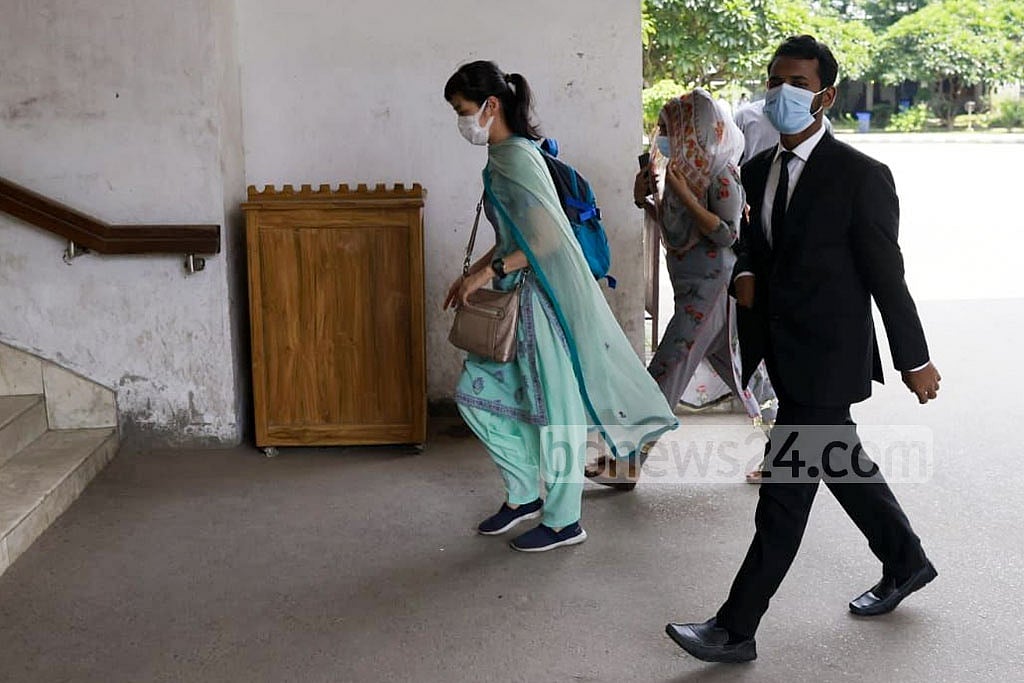

According to the High Court decision, the two girls will stay with their father in Dhaka, but their mother will also have the opportunity to spend time alone with them.
As their mother is a Japanese citizen who lives and works in Japan, she will be able to visit Bangladesh at her convenience and be able to spend at least 10 days each visit with them.
File Photo
Imran must also arrange for the children to have video calls with their mother on two holidays each month.
The High Court also rejected Imran’s petition to have their youngest daughter, who is currently in their mother’s custody in Japan, brought to court to confirm her safety and whereabouts.
File Photo
The decision was announced by the High Court bench of Justice M Enayetur Rahim and Justice Md Mostafizur Rahman on Sunday after the final hearings on the petitions from both parents.
The current petition will remain ongoing and, if any party fails to fulfil their obligations, they can be brought to court, said Justice Rahim, the senior judge on the bench.
A social services officer will continue monitoring the condition of the two girls and report to the court once every three months.
Fawzia Karim Firoze, one of the lawyers for Imran, described the orders as an “example of child rights and victory of the children”.
Shishir Monir, the lawyer for Nakano, said they will decide their next course of action after reviewing the verdict when a written version is published.
JUDGE’S HOPE
Before delivering the orders, Justice Rahim said some newspapers were wrong to say that the verdict was about the “guardianship of two Japanese children”.
“Actually we are not delivering a verdict on guardianship. I think many media outlets got it wrong. It’s a habeas corpus, where our authority is very limited. All must understand this. Otherwise, it may send a wrong message.”
Habeas corpus is a writ issued by a court directing one who holds another in custody to produce the person before the court for a specified purpose.
The judge thanked the lawyers of both sides for presenting examples of international laws that he said helped the court make decisions.
“But the most heart-breaking thing is that no matter what orders we issue, one of the sides will be the victim. The two children will be more victimised. We hope the parents will take steps with constructive and positive viewpoints considering the future of the children. We have kept that option in the verdict.”
Besides hearing the arguments, the court talked to the children three times. “Overall, we will pass orders that are best for their welfare in the current circumstances,” Justice Rahim said.
THE LEGAL BATTLE
Nakano, 46, a doctor, met Imran, 58, an engineer at a Tokyo hospital and got married in July 2008 in compliance with the law of Japan following an affair.
They gave birth to three children who are now 11, 10 and seven years old. The girls studied in a school in Tokyo.
Three days after Nakano filed for divorce in January this year, Imran appealed to the school authorities to allow him to take one of the daughters with him, which the administration declined.
Later Imran picked up his two elder daughters from the bus stop on their way back home and took them to a rented apartment, Nakano said in the petition.
An American citizen of Bangladeshi descent, Imran applied for new passports for the girls later. Having received the passports after a week, Imran flew with his daughters to Bangladesh and has been living here since.
A Tokyo court on May 31 granted Nakano custody of the two elder daughters. The Japanese mother travelled to Bangladesh in July after a delay due to travel curbs over the coronavirus pandemic.
Nakano said she filed the writ petition because she feared for the safety of the two girls after Imran blindfolded her to travel to a place to meet them.
The High Court in August ordered Imran and his sister Amina Zebin to produce the children and banned him from travelling abroad.
Police rescued the girls from Imran’s home at Baridhara on Aug 22 and kept them at Metropolitan Police Centre. After talking to all the sides, the court later ordered Imran to rent a flat for the parents and children to stay together for 15 days.
The court specified time and some rules for the parents to stay with the children after Nakano’s lawyer objected to the order to stay together.













