Published : 30 Oct 2026, 02:09 AM
Updated : 30 Oct 2026, 02:09 AM


Prime Minister Tarique Rahman’s Tokyo trip has ended with the promise of billions of dollars in potential Japanese investment and a renewed ambition to make Bangladesh a regional hub for trade, energy and industry.
The opportunity is substantial. Whether it delivers, however, will depend on how effectively the agreements are turned into projects and how carefully Bangladesh protects its interests.
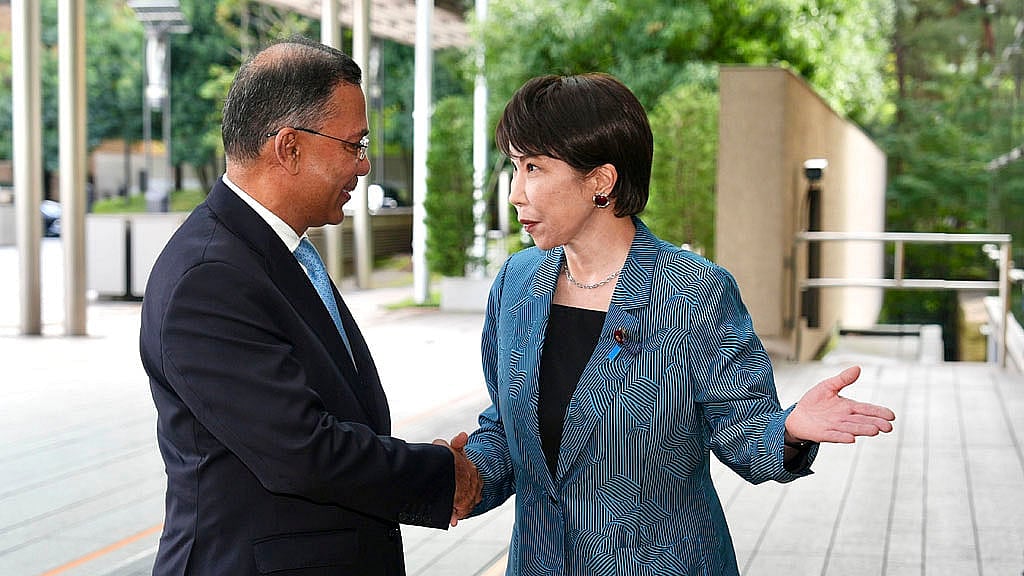
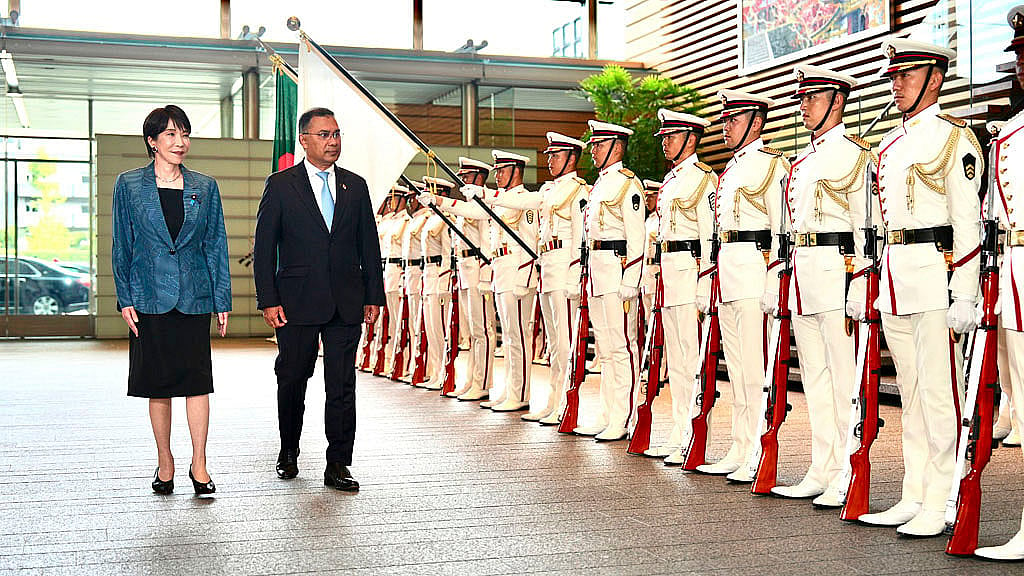
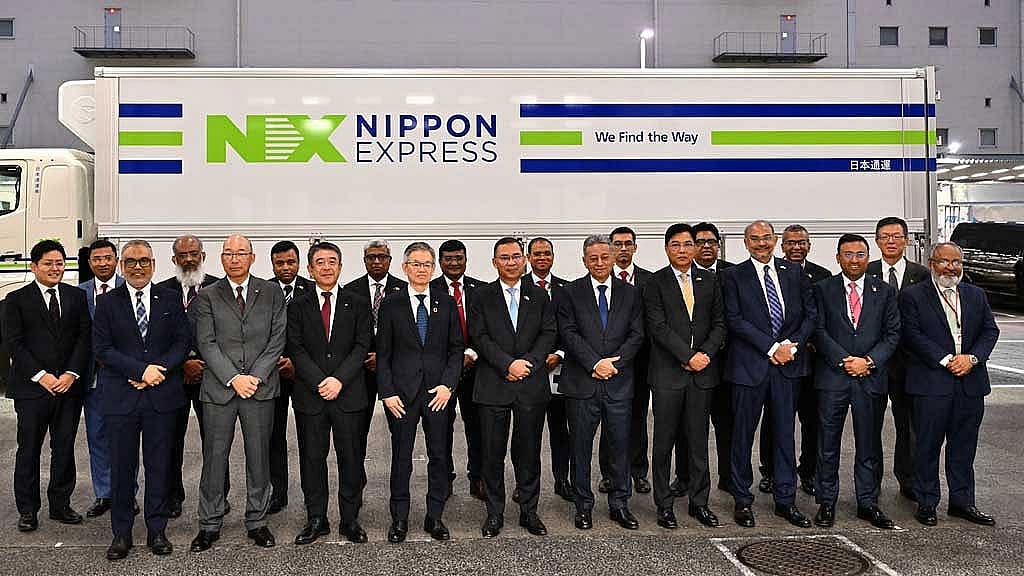
During his four-day visit, which began on Oct 26, Tarique met Japanese Prime Minister Sanae Takaichi, held talks with business leaders and visited the operations of prominent Japanese companies.
Analysts have welcomed the preparations and commitments behind the trip, while stressing that the details of future agreements will matter as much as the headline figures.
Former ambassador Kamrul Ahsan said the joint declaration had been well prepared and the prime minister’s specific investment proposals showed that the visit had been carefully planned.
“Overall, I appreciate this visit very much.”
Dhaka University international relations Prof Lailufar Yasmin said the trip had been necessary because Bangladesh needed financial assurance, which she believed it had received.
In a Facebook post on Tuesday night, Tarique described the visit as an “important step forward” for the two countries’ strategic partnership
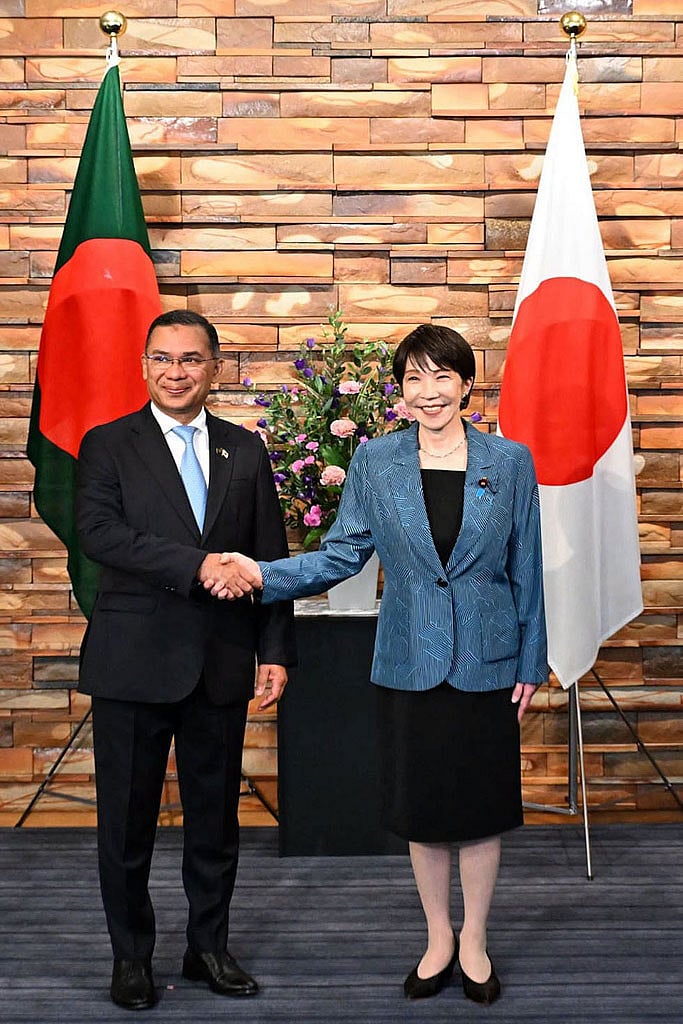
The diplomatic gains extended beyond investment. Kamrul said Japan’s support for Bangladesh’s position on the Rohingya crisis and Palestine was also important.
Bangladesh maintains that Rohingya refugees should return to Myanmar voluntarily, safely, with dignity and sustainably. According to Ahsan, the joint statement reflected Japan’s acceptance of that position.
“This is very important because Japan has historic ties with Myanmar. The resistance movement against the British, led by Aung San Suu Kyi’s father, began with Japanese support. That is why Japan has always had a soft spot for Myanmar.”
On Palestine, he said Bangladesh and Japan shared a position on a two-state solution and coordinated plans for Gaza’s reconstruction, making the alignment politically significant.
Big-B’s Expanded Ambition
The centrepiece of the visit was a renewed commitment to the Bay of Bengal Industrial Growth Belt, known as Big-B.
The two governments agreed to advance the initiative as “Big-B for Shared Prosperity”, elevating economic cooperation and strengthening their resilience amid global uncertainty.
The joint declaration places the Matarbari-Moheshkhali region at the heart of plans to build a major logistics, energy and industrial hub centred on the Matarbari Deep Sea Port.
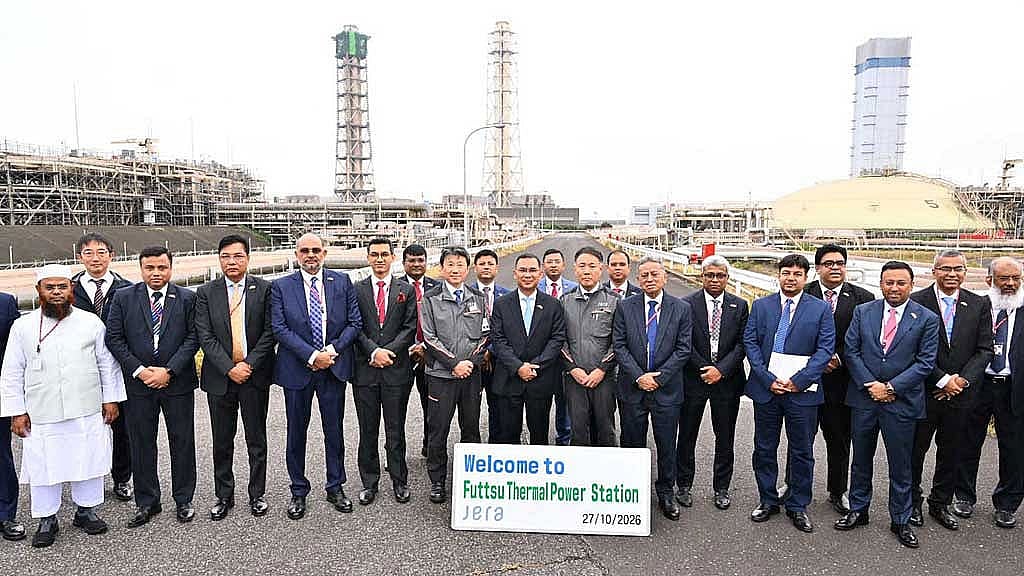
The two countries intend to coordinate development in power, energy, ports, industry and information and communications technology, positioning Bangladesh as a gateway for trade and supply chains.
The initiative will focus on four areas: improving connectivity; strengthening resilience to natural disasters and geopolitical uncertainty; expanding public-private partnerships in economic growth and policymaking; and deepening cooperation for peace and stability.
Kamrul said regional security and a broader understanding of connectivity were important additions to the earlier framework. He linked the approach to Japan’s post-war foreign policy, which has prioritised maritime security and economic integration.
“Japan is trying to strengthen our Coast Guard. In July, it gave the Coast Guard five boats, and this time it gave another. Japan also has a strategic consideration: Bangladesh is located at the crossroads of South and Southeast Asia.”
Bangladesh may not be the biggest player in the Bay of Bengal, he said, but it is important to regional and maritime security.
Historically, Nepal, Bhutan, northeastern India and Myanmar’s Rakhine state relied on Bangladesh for access to the sea.
Japan has invested heavily in northeastern India, while India’s Kaladan project links parts of Rakhine through river and road routes.
Kamrul cautioned, however, that connectivity would work only if regional security and political stability were assured.
“Connectivity issues are possible only if there is regional security, and then political stability.”
Yasmin said Japan had acted as a guarantor amid a lack of political trust in South Asia, helping preserve confidence between Bangladesh and India.
This external role could make the initiative more viable than earlier regional plans, including the Bangladesh-Bhutan-India-Nepal (BBIN) initiative, which have struggled to make progress.
“Japan is very significant as an external guarantor for South Asian countries to connect them, to create some kind of connectivity.”
She urged negotiators to protect Bangladesh’s interests in future agreements, particularly over the costs of building, repairing and maintaining roads used for regional transit.
“We do not want an agreement that ultimately Bangladesh has to pay for. When goods are travelling to northeastern India using Bangladesh’s roads, all three countries have equal responsibility. Japan does too.”
Bangladesh’s deep-sea port could also benefit Nepal and Bhutan, not just northeastern India, she said, noting that India’s deep-sea ports were on its western side rather than the Bay of Bengal.
“Because of various historical reasons, there is still political distrust among South Asian countries. But there is no alternative to creating connectivity if we are to move beyond that.”

Investment, Jobs and Delivery
The joint declaration says Japanese private companies may invest 1 trillion yen, or about $6.4 billion, in Bangladesh over five years, potentially creating 200,000 jobs.
During the visit, the two countries signed six bilateral cooperation documents, including a grant agreement, while Japan pledged about $295.5 million in loans for two projects.
Kamrul said Japan generally followed through on its commitments, making its pledges particularly valuable for Bangladesh, a longstanding development partner.
“Japan generally executes the promises it makes. It cannot be compared with other countries, and it does not usually back out.”
He said Japanese investment could help Bangladesh move towards a $1 trillion economy and meet its Sustainable Development Goals, particularly as few countries beyond China invest generously.

Tarique identified five priority sectors for Japanese investment: automobile manufacturing, energy, technology and space cooperation, high-speed rail and logistics, and agricultural processing.
Yasmin said Bangladesh should work to attract Japanese investment alongside Chinese capital and make better use of opportunities to send workers to Japan.
“Investment is certainly a very important area for us. We need to see how we can bring Japan into investment, just as we are investing with China.”
The commitments offer a significant opening, but their value will ultimately be measured by what materialises: investment that creates jobs, infrastructure that strengthens trade and regional connections that distribute costs and benefits fairly.
Bangladesh’s task is to convert a longstanding friendship into an economic partnership that delivers lasting gains.